User-generated content: how to turn guest photos into marketing
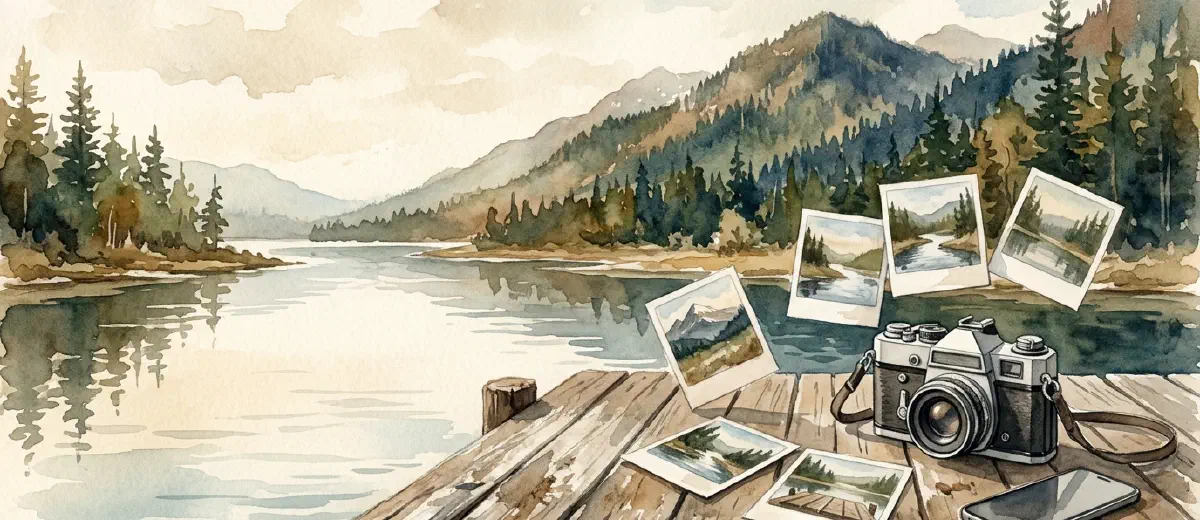
Your guests are already taking photos. On the river, on the trail, on the zip line, at the summit. They’re shooting video, posting stories, tagging locations. That content is sitting on their phones and scattered across social media, and it’s better marketing material than anything you could produce yourself.
User-generated content for outdoor recreation businesses converts better than polished brand photography because it looks real. It’s actual customers having actual fun on your actual trips. No staging, no professional lighting, no model releases. Just people on vacation doing the thing you sell.
The challenge isn’t that the content doesn’t exist. It’s that most outfitters don’t have a system for collecting it, getting permission to use it, and putting it to work. Here’s how to build that system.
Why guest photos outperform your marketing shots
Studies consistently show that consumers trust user-generated content more than brand-produced content. The number that gets cited most often is that 92% of people trust peer recommendations and UGC over traditional advertising. For outdoor recreation, the gap feels even wider.
Think about what a potential customer sees when they’re comparing rafting companies. One outfitter’s website has polished hero images shot by a professional photographer in perfect light. The other has a mix of pro shots and real guest photos: a mom grinning in the front of a raft, a kid giving a thumbs-up with water dripping off their helmet, a group of friends laughing at the take-out.
The second site feels more trustworthy. Not because the photos are better technically. Because they answer the question every potential customer is actually asking: “Will my family have fun doing this?” Professional shots say “our trips look great.” Guest photos say “people like you had a great time.”
That trust translates directly to bookings. Real photos outperform stock and staged imagery across every metric: click-through rates, time on page, conversion rates.
How to collect guest content without being awkward
The biggest barrier to UGC isn’t willingness. Most happy customers would share their photos if you made it easy. It’s that nobody asks, or they ask in the wrong way at the wrong time.
During the trip. If your guides carry a waterproof camera or GoPro, you’re already creating content. But tell guests you’re shooting and that you’ll send them photos after the trip. This does two things: it gets them excited about the photos (which they’ll share), and it opens the door to asking permission later.
At natural photo moments (the big rapid, the scenic overlook, the catch) encourage guests to grab their own phones too, if conditions allow it. “This is the spot everyone takes their best photo” works better than “please take photos for our marketing.”
The branded hashtag. Create a hashtag and make it visible. Print it on the van, on trip waivers, on the follow-up email. Something simple and specific: #PaddleTheNantahala, #FishTheMadison, #RaftTheGauley. When guests use it, you can find their content easily. And a hashtag on a post is a soft form of sharing; they’re already broadcasting it publicly.
The post-trip email. This is your highest-conversion moment. Send it within 24 hours while the experience is fresh. Include any photos your team took during the trip and ask for theirs: “Got any great shots from the river? Reply with your favorites. We’d love to share them (with your permission) on our page.”
Keep it casual. You’re not asking them to fill out a form. You’re continuing the conversation from a great day on the water.
Social media monitoring. Check your tagged photos and location tags on Instagram regularly. Guests often tag your business or your location without being asked. That’s free content waiting to be reposted. Just ask permission first.
The permission piece: keep it simple
You need permission to use someone’s photo in your marketing. You don’t need a lawyer to get it.
For social media reposts, a DM saying “Love this shot! Mind if we share it on our page? We’ll tag you” is standard practice. Most people say yes immediately.
For website use, ads, or printed materials, you want something slightly more formal. A simple email or text exchange works:
“Hi [Name], we loved the photos from your trip on Saturday. Would you be okay with us using a couple on our website and social media? We’ll credit you if you’d like. Just reply ‘yes’ and we’re good to go.”
That written reply, even a casual text, constitutes permission. Save it.
If you want to simplify this, add a line to your trip waiver: “I grant [Business Name] permission to use photos and videos taken during this trip for marketing purposes.” Check with a local attorney on the exact wording for your state, but most outfitters find that a waiver clause plus a casual follow-up covers them.
For the hashtag approach, many businesses include language on their website or trip materials stating that by using the branded hashtag, guests are granting permission to share their content. This is common practice across the travel industry.
Where to use guest content
Once you’re collecting UGC, put it everywhere. A single guest photo can work across multiple channels, and one trip can produce five or more pieces of content when you include what guests capture alongside your own shots.
Your website. Guest photos on trip pages add social proof right where the booking decision happens. Mix them with your professional shots. A gallery of real guest photos on your homepage builds trust faster than a hero image ever could.
Social media. Reposting guest content keeps your feed active without requiring a constant stream of original content. Tag the guest, thank them, add a caption about the trip or the river. This kind of post typically gets higher engagement than brand content because it feels authentic and encourages other past guests to share their photos too.
Google Business Profile. You can upload guest photos directly to your GBP photo gallery. Listings with more photos get more clicks. A mix of professional and guest content makes your profile look active and real.
Email marketing. Include a guest photo in your seasonal newsletter or early-bird booking email. “Here’s what last summer looked like” with a grid of real guest shots is more compelling than a stock image.
Paid ads. This is where UGC really shines. Facebook and Instagram ads featuring real customer photos and videos consistently outperform ads with polished creative. The authenticity stops the scroll. A shaky GoPro clip of a family hitting a rapid gets more clicks than a cinematic drone shot because it feels like a friend’s vacation video, not an ad.
Build the habit, not a one-time campaign
The outfitters who get the most out of UGC aren’t running elaborate campaigns. They’ve built a simple, repeatable system: guides shoot a few photos every trip, the post-trip email goes out automatically, guest replies get saved and sorted, and the best content gets used across channels throughout the year.
Start small. Set up the post-trip email with a photo-sharing ask. Create your hashtag. Check your tagged photos once a week. That’s enough to start building a library of real guest content that does your marketing better than you could do it yourself.
Your guests are already your best marketers. You just need to make it easy for them.