Short-form video content ideas for outdoor businesses: 50+ formats that work
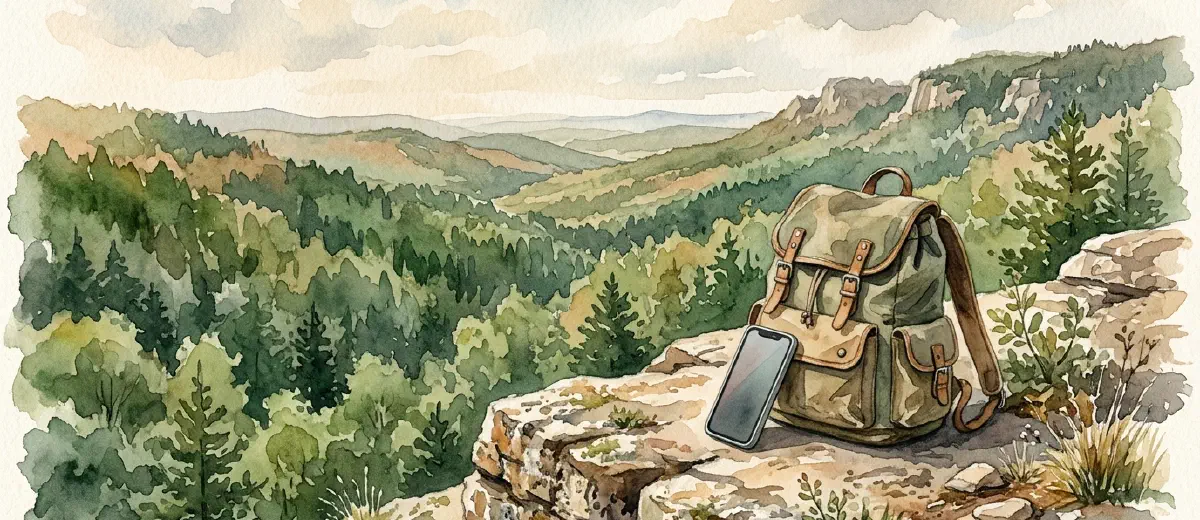
You already have the footage. It is sitting in your phone right now, probably from last weekend. A guest grinning at the put-in, a paddle hitting whitewater, the view from the ridge at 7 a.m. That raw material is what performs on Instagram Reels, TikTok, and YouTube Shorts. You just need formats to put it in.
Short-form video is the highest-ROI content format available to small businesses right now, according to HubSpot’s 2024 State of Marketing report. Outdoor recreation companies have a built-in edge. Your product is already visual, already exciting, already the thing people stop scrolling to watch. You don’t need a production crew. You need a system.
Below are 50-plus video formats, organized by category, that outdoor businesses are using to fill seats and sell trips. Pick the ones that fit your operation and start posting.
The formats that book trips
Not all video formats are equal. Some get likes. Some get bookings. You want the second kind.
The 60-second trip preview is the workhorse. Montana Whitewater uses this format on their Facebook Reels: a quick cut of rafters hitting the rapids on the Madison River, the guide calling out commands, a wide shot of the canyon, and a booking link in the bio. It is the digital equivalent of a brochure, except people actually watch it.
Here are formats in this category that work well for outdoor operations:
- Trip preview (30-60 seconds of the actual experience)
- Gear walkthrough (what guests get and what they should bring)
- “What to expect” first-timer guides
- Seasonal highlight reels (spring runoff, fall foliage, winter calm)
- Before-and-after the trip (nervous faces at check-in, huge smiles at take-out)
- Guest reaction clips (the moment someone sees the view or hits the rapid)
- FAQ answers filmed on location (“Do I need to know how to swim?”)
- Price breakdown or “what’s included” explainers
- Trip comparison videos (half-day vs. full-day, beginner vs. advanced)
- Staff pick videos (“Our guide Jake’s favorite section of river and why”)
Every one of these can be shot on a phone in a waterproof case. Wildwater Rafting films across the Chattooga, Nantahala, Ocoee, and Pigeon Rivers using similar no-frills setups, and their video galleries pull steady traffic to trip pages.
If you want those videos doing double duty for your SEO, embed them on your trip pages too, not just social feeds.
Behind-the-scenes content that builds trust
In a 2023 Sprout Social study, 65% of consumers said they prefer authentic, less polished video from brands over high-production content. Behind-the-scenes clips are where that preference plays out.
Show the parts of your operation that guests never see. The guide rigging the boat at 5:30 a.m. The shuttle driver checking conditions. The kitchen prepping lunch for a full-day trip. These moments answer the unspoken question every potential customer has: are these people competent, and do they actually care?
Formats that fit here: morning setup routines, equipment checks, safety briefings (filmed from the guest perspective), end-of-day cleanup, weather decision-making in real time, staff training days, vehicle and gear maintenance, and the quiet moments between trips when guides are just hanging out being themselves.
River Expeditions posts videos of their basecamp and accommodations alongside their whitewater content. That mix of adventure and logistics gives potential customers a complete picture before they ever pick up the phone.
The trick with behind-the-scenes content is consistency, not production value. A 20-second clip of your guide checking water levels on a foggy morning, filmed handheld with natural sound, outperforms a polished brand video nine times out of ten. People can tell when they are watching something real. Lean into that. Show the scratched helmets, the duct-taped cooler, the dog sleeping on the gear pile. Those details make your operation feel like a place run by actual people, which is exactly what someone spending $200 on a guided trip wants to know.
Guest-generated content you can repurpose
Your guests are already filming. Every raft has someone with a phone in a dry bag. Every zipline platform has someone shooting vertical video. The question is whether any of that content makes it back to your accounts.
Set up a simple system. Put a QR code at the take-out or trailhead that links to an upload form or a branded hashtag prompt. Ask guides to mention it during the debrief. Some operators offer a small incentive, like a discount on a future trip or a free photo download.
The content guests create works because it looks real. It is real. A first-timer screaming through a Class III rapid on the Ocoee is more convincing than anything you could script. Matt Lyons built a following on TikTok with exactly this kind of unpolished rafting footage, and outfitters whose rapids appear in those videos see direct booking bumps.
Formats here include guest reaction compilations, “tag us” reposts, side-by-side comparisons of the guest’s video and the guide’s video of the same moment, customer testimonial clips filmed immediately post-trip (when the adrenaline is still going), and review readings over b-roll of the trip they are describing.
Educational and how-to clips
Teach something and you become the authority in your area. Educational clips also get saved and shared at higher rates, which the algorithms reward.
Think about the questions you answer on the phone every week. Each one is a video. “What should I wear river rafting in April?” “Can my 8-year-old do this trail?” “What’s the difference between a sit-on-top and a sit-inside kayak?” Film the answer in 30 seconds, standing in the spot where the question matters most.
Other formats: local wildlife spotting tips, knot-tying tutorials, packing guides for specific trips, reading water or reading a trail map, seasonal fishing reports, weather pattern explanations for your region, and quick gear reviews. These clips have long shelf lives. A “what to wear rafting” video filmed this summer will still get views three years from now.
This type of content also supports what people are already searching for when they are considering a trip. Meeting them with a 30-second answer on their preferred platform builds familiarity before they ever reach your website.
Seasonal and timely formats
Outdoor businesses run on seasons, and your video calendar should too. The off-season is not downtime for content. It is when you build the audience that books when conditions turn.
In the off-season, post throwback clips from peak season, maintenance and prep videos, countdown content (“42 days until opening day”), staff introductions for the upcoming season, and “what changed this year” updates about new equipment or new trips.
During peak season, shift to real-time content. Daily conditions updates, same-day trip recaps, weather-related humor, sold-out-day energy, and guest highlight reels. Burton keeps their TikTok and Instagram active year-round by shifting between mountain action and community content depending on the season, and their engagement stays consistent because followers always know something new is coming.
Building a seasonal content calendar takes an afternoon and gives you a framework for the whole year.
How to actually produce 50 videos without losing your mind
Fifty-plus formats, three to five posts a week, multiple platforms. Sounds like a full-time job. It is not, if you batch it.
Pick one morning a month. Take your phone to your operation and film for two hours. Shoot ten different setups: a gear walkthrough, a guide intro, a conditions update, a FAQ answer, a trip preview, and so on. That single session gives you weeks of content across formats.
Film everything in vertical (9:16). Use natural audio when you can, and add a voiceover or text overlay when you cannot. Keep clips between 15 and 45 seconds. The 15-to-30-second range gets the best engagement on most platforms, but a few longer clips in the mix help with watch time metrics.
Repurpose everything. A 60-second trip preview becomes three 15-second clips. A guide intro becomes a quote card for stories. A guest reaction becomes a testimonial for your website. One single trip can give you five or more pieces of content, as long as you are thinking about that before you hit record.
You do not need editing software beyond what is built into Instagram or CapCut. You do not need a gimbal, a ring light, or a microphone. The phone in your pocket and the scenery at your operation are enough to start.
Cross-post to every platform. A Reel, a TikTok, and a YouTube Short can all be the same file. The algorithms on each platform favor native uploads, so do not just share a link. Upload the same clip three times. The time cost is minimal and the reach compounds.
The businesses getting results from short-form video right now are not the ones with the best equipment. They are the ones who post consistently.
Start with five formats from this list. Post three times a week for a month. Pay attention to saves and shares, not just likes, because those are the signals that actually correlate with bookings. Then do more of whatever is working. The whole strategy fits in that paragraph.