SEO for stand-up paddleboard rental: the complete guide to getting found online
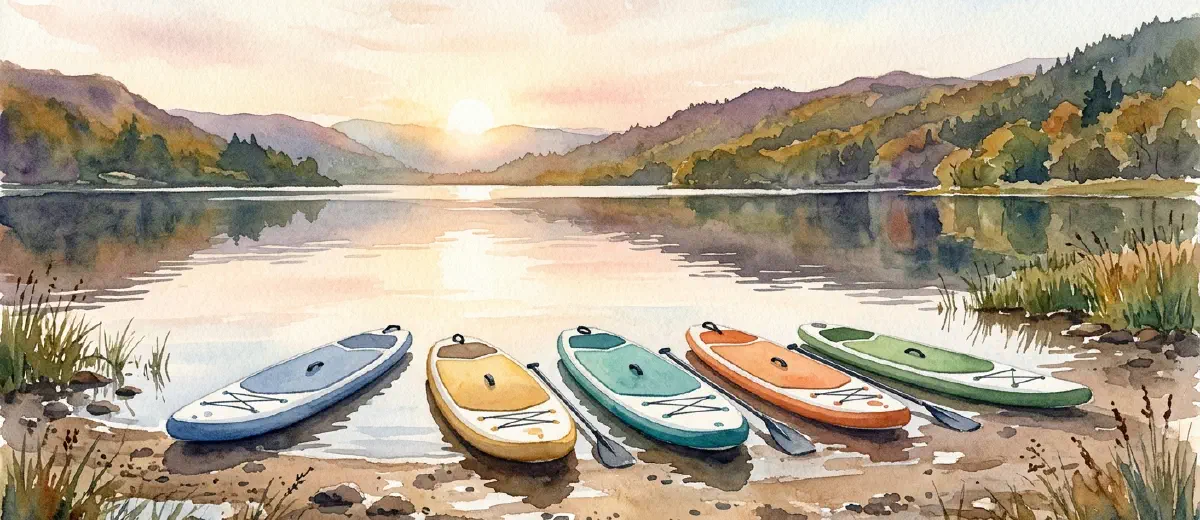
Stand-up paddleboard rental is not kayak rental with a different board. The search behavior is different, the customer is different, and the keywords that drive bookings are different. Someone searching “SUP rental Lake Tahoe” is not the same person searching “kayak rental Lake Tahoe,” and if your website treats them as interchangeable, you’re leaving a significant share of your potential customers to whoever built a more specific page.
The good news: the competition in SUP rental SEO is thin. Most paddleboard shops still rely on map listings, a vague “rentals” page, and foot traffic from the water. Operators who build even a modest set of targeted pages and a handful of local signals will outrank most of their market without spending a dollar on ads.
Here’s how to do it.
How paddleboard renters actually search
SUP rental searches follow a pattern you can map directly to your website. Understanding the pattern is most of the work.
At the top of the funnel, you have people who aren’t sure what they want yet. They search things like “things to do on [lake name]” or “water activities near [city].” These people are planning a trip or a day out. They have not yet decided to paddleboard. You can capture them with broad local content, and if you give them a good answer, you’re the business they call.
Closer to a booking, the search gets specific: “stand-up paddleboard rental [lake name],” “SUP rental near [city],” “paddleboard rental [park or beach name].” These are the people you most want. The keyword includes a location, which tells you they’ve chosen the activity and the place. All they need is someone to rent from. If your page shows up for that exact phrase, the conversion rate on that click is high.
Then there’s a third category: the question searches. “Is SUP hard for beginners.” “What to bring paddleboarding.” “Can kids paddleboard.” “How long does it take to learn to paddleboard.” These aren’t direct rental queries, but they come from people who are seriously considering going. A page that answers these questions earns their trust before they’re ready to book.
Build your keyword list by combining every waterway you serve with every relevant modifier: “paddleboard rental,” “SUP rental,” “stand-up paddle rental,” “paddleboard lessons,” and any location names (lake, river, reservoir, town, neighborhood, park) people would naturally attach. That’s the foundation of your local keyword strategy.
The pages that do the work
One generic “rentals” page does not serve you here. Search engines and customers both want specificity.
If you operate on multiple bodies of water, each location needs its own page. “Paddleboard rental at [Lake A]” and “paddleboard rental at [Lake B]” are different searches, different pages, different content. Each page covers the specifics of that location: the launch point, parking, typical conditions, time of year, whether it’s beginner-friendly, what boards work best there.
Your rental page should not just list rates. It should answer the questions someone has before booking: what’s included, where they’ll launch, how long a typical session runs, whether they need prior experience, what the weather policy is, how to reserve. A page that answers these questions in full will rank and convert.
If you offer lessons alongside rentals, that’s a separate page. “SUP lessons near [city]” is a different search from “SUP rental near [city].” Someone looking for a lesson and someone looking for a board to grab and go are at different points in the decision. A single page that tries to cover both will rank for neither.
Beyond your core rental and lesson pages, the five essential pages every outdoor business website needs apply here too: a clear homepage, trip or activity pages, a location or access page, an FAQ, and a contact or booking page. Most SUP rental sites are missing at least two of these.
The content that builds your search presence over time
Once your core pages are solid, blog content extends your reach to the searches your main pages don’t cover.
The most useful posts for a paddleboard rental business fall into a few categories.
Location-specific guides work well. “Paddleboarding on [lake name]: what to know before you go” answers the research-phase question from someone who has already decided on the location and wants the details. These posts rank for “[activity] on [waterway]” searches and tend to hold their positions for years if the information stays current.
Beginner guides convert well because beginners are your largest customer segment. Someone who has never paddleboarded is not going to buy a board. They’re your renter. Posts like “how to stand-up paddleboard for the first time” or “what to expect on your first SUP rental” speak directly to that person and move them toward booking.
Gear and equipment comparisons attract the consideration-stage searcher. “Inflatable vs. hardboard SUP rental: which should you choose” or “solo vs. tandem paddleboard” are questions real people type in. If your site answers them, you’ve earned a click from someone who was already heading toward a rental.
Seasonal condition posts keep your site fresh and give you content that targets time-specific searches. “[Lake name] paddleboarding conditions in summer.” “Best time of year to SUP on [reservoir].” These posts pull in readers planning a trip weeks or months out.
Knowing what your potential customers search before they book is the research step most rental businesses skip. Run the common questions through a search engine and see what comes up. The gaps in the existing results are your content opportunities.
Local SEO: the map pack matters as much as organic
For paddleboard rentals, local search is often more important than traditional organic rankings. Someone standing at the water’s edge searching “SUP rental near me” on their phone is ready to book right now. The Google Maps results for that query are what they see first.
Set up and maintain your Google Business Profile. Choose “sporting goods rental” or “water sports equipment rental” as your primary category. Write a description that includes your location, the waterways you serve, and the types of boards you rent. Upload current photos from the water - your fleet, your launch site, customers on the boards.
Reviews are the primary ranking signal for the map pack, and they’re worth pursuing directly. After a session, when a customer is coming off the water in a good mood, ask them to leave a review. Send a follow-up message that evening with a direct link to your Google review page. Reviews that mention specific details - the lake, the board type, a staff member’s name - carry more weight than generic five-star ratings and are more persuasive to future customers reading them.
If you operate at multiple launch sites or have a satellite location, consider whether a separate GBP listing for each makes sense. A business renting boards at two different lakes is serving two different “near me” search areas.
Timing: when to build, when to publish, when to wait
Paddleboarding is seasonal for most markets. The search behavior follows the calendar, and so should your content.
Your peak search volume typically arrives in late spring and runs through midsummer. But searches are already climbing in February and March as people start planning warm-weather trips. The pages and posts you publish in November, December, and January have time to get indexed and start ranking before those early searches hit. A blog post published the week before your season opens has almost no time to rank for anything.
Content needs lead time. The general rule is three to six months for a new page to reach its potential position. For an established site with some domain authority, it’s faster. For a new site, it’s slower. Either way, the time to build your paddleboarding content is not May. It’s October.
During the off-season, focus on the pages and posts that will drive your next season. Location guides, beginner content, gear comparisons, and FAQ posts are all evergreen. They don’t need to be time-sensitive to be useful.
During your operating season, the lighter stuff works: quick condition updates, photo posts from the water, short notes about what’s renting well. Save the heavy content work for winter.
What separates the operators who rank from those who don’t
The SUP rental businesses that consistently show up in search are not doing anything complicated. They have a clean, fast site with dedicated location pages. They maintain an active Google Business Profile with current photos and regular review responses. They publish a few pieces of useful content each off-season.
That’s it. They show up because everyone else is invisible.
The operators who stay invisible tend to share a few patterns: a single “rentals” page that lists everything without differentiating by location, a Google Business Profile that was set up once and never updated, no blog content beyond a post from two seasons ago. These are fixable problems. None of them require a large budget or technical expertise. They require deciding to treat your website like a booking tool instead of a digital business card.
If you’re not sure where to start, the fastest impact usually comes from two places: building a dedicated page for each location you serve, and getting your Google Business Profile current with photos and a clean description. Those two changes alone will put you ahead of most of your competitors in local search.
From there, you add content over time. One post a month in the off-season compounds into a real search presence within a year. You don’t need to publish constantly to win. You need to publish better than the people you’re competing with, and in most SUP rental markets, that bar is not high.