SEO for rock climbing (outdoor guiding): the complete guide to getting found online
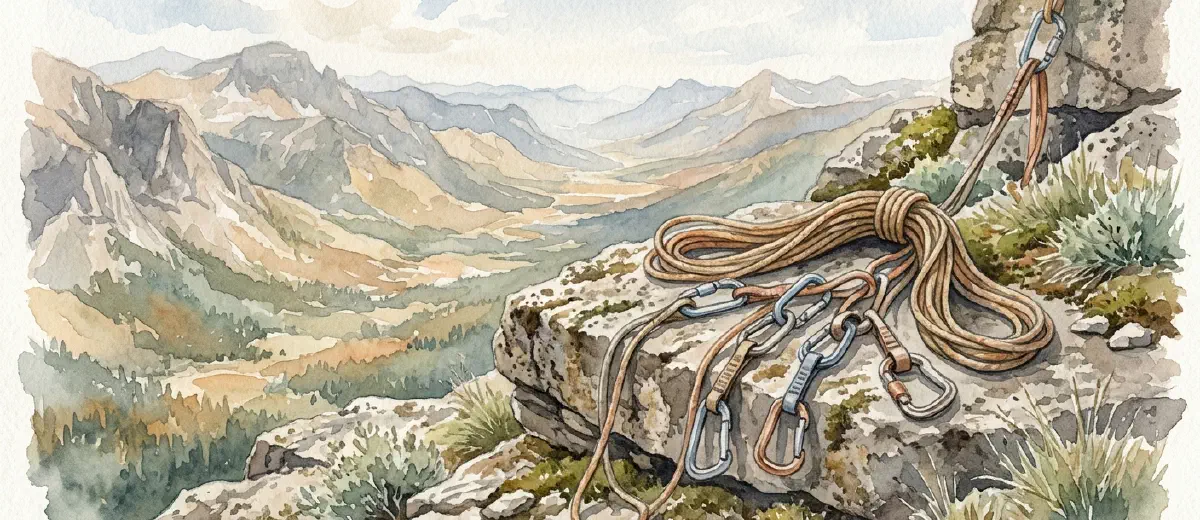
Outdoor rock climbing guiding is a different business from a climbing gym, and it requires a different approach to SEO. Your customers aren’t browsing for a membership or a drop-in day pass. They’re planning a trip to a specific place, looking for a guide who knows that wall, that route, that approach. The searches are narrow and the intent is high. Someone typing “guided rock climbing in Joshua Tree” isn’t window shopping.
The complication is that outdoor guiding operates under rules that most service businesses never think about. Permit requirements, land agency restrictions, insurance mandates, and outfitter licensing vary by climbing area and by the land management agency that controls it. Yosemite, Red Rocks, the Needles, Devils Tower, the New River Gorge. Each one has its own permit system, and each one changes who is legally allowed to guide there. That context matters for your SEO because it shapes your keywords, your credibility content, and how you differentiate from competitors who aren’t actually permitted to operate where you do.
How climbers search before they hire a guide
Climbers who hire guides are not beginners Googling “how to rock climb.” They already know the activity. What they want is someone to take them up a specific route in a specific place at a specific difficulty level, and they search accordingly.
The searches break into a few categories.
Destination-specific: “guided rock climbing Yosemite,” “climbing guide Joshua Tree,” “rock climbing guide Red Rocks Nevada,” “guided climbing Eldorado Canyon.” These are the terms closest to a booking. The person searching has already picked the destination. They need the guide.
Route and objective searches: “guided Half Dome climb,” “guided free climbing El Capitan,” “guided crack climbing Indian Creek.” Climbers with a specific goal and want professional support to reach it. They’re often the highest-ticket clients.
Skills courses: “beginner rock climbing lessons outdoor Colorado,” “multi-pitch climbing course Yosemite Valley,” “lead climbing instruction Utah.” People who want to develop a specific skill, not just summit something. High booking value because these courses run multiple days.
Planning searches: “how to hire a rock climbing guide,” “cost of guided rock climbing Yosemite,” “do I need a permit to hire a climbing guide.” A lot of potential clients don’t understand the regulatory landscape, and answering these questions on your site does real work before they ever contact you.
What your customers Google before they book covers the full search journey in detail. The short version: most people run several searches across different intent stages before they contact an outfitter. If your site only exists at the booking stage, you’re invisible for most of the research phase.
Build trip pages for every area and objective you guide
The most important pages on your site are your trip pages. Not your homepage. Not your about page. Your trip pages. These are the pages that match the specific searches your customers run when they’re ready to hire someone.
One page per destination. If you guide in Yosemite Valley, Red Rocks Canyon National Conservation Area, and City of Rocks, those are three separate pages. Not one page that mentions all three. “Guided rock climbing Yosemite” and “guided rock climbing Red Rocks” are completely different searches with different people behind them. A single page targeting both will rank for neither.
One page per objective type within a destination. If you guide beginner half-day climbs, full-day multi-pitch routes, and multi-day big wall courses in the same area, each of those deserves its own page. The beginner searching “rock climbing lesson Joshua Tree” and the experienced climber searching “guided big wall Joshua Tree” have different needs, different budgets, and different decision-making timelines. A page built for both will convert neither.
What goes on each trip page: the specific climbs or routes, difficulty range, what experience level is required, what the day actually looks like (start time, approach, vertical gain, descent), what’s included in the price, your guide-to-client ratio, and which permit or agency authorization allows you to operate there legally. That last detail is worth putting on the page explicitly. Many climbers don’t know the difference between a permitted guide service and someone running trips without authorization. Stating your AMGA certification, your NPS concession permit, or your BLM outfitter license directly on your trip page answers a real question and removes a real hesitation.
Photos matter here. Real photos from real climbs, not stock images of anonymous hands on a generic face. A photo of your guide belaying a client on the north buttress at City of Rocks tells a story that “breathtaking climbing in Idaho” never could.
The content that builds authority before anyone books
Trip pages capture searches from people who are ready to book. Blog content captures the people who are still figuring out where to go, what’s involved, and who they can trust. Those two audiences overlap eventually, but you need content for both.
Good blog topics for a rock climbing guide service:
- Climbing season guides by area (“When is the best time to climb in Red Rocks Nevada,” “Joshua Tree climbing season: what October through April is actually like”)
- Route-specific guides (“What to know before guiding the Royal Arches in Yosemite”)
- FAQ content that matches real searches (“Do you need a guide to climb in Yosemite,” “what is AMGA certification and why does it matter”)
- Gear explainers (“What to bring on your first guided multi-pitch climb,” “how to choose climbing shoes for a guided crack course”)
- Comparison content (“Red Rocks vs Joshua Tree: which is better for a beginner,” “sport climbing vs trad climbing guided courses”)
Climbers hiring a guide for the first time do more research than almost any other outdoor activity customer. They want to feel confident the person on the other end of the rope knows what they’re doing. Detailed, specific content about routes and areas answers that before they ever contact you. Generic content doesn’t. A post about “Royal Arches Yosemite: what to expect” signals domain knowledge in a way that “why hire a climbing guide” never will.
Trip guides that rank covers exactly how to structure this content so it shows up in search results and converts readers into bookings. The structure for a route guide and the structure for a SEO-optimized blog post are almost identical: specific title, useful answers in the opening paragraphs, organized sections with headers that match real search queries, and a clear path to booking at the end.
Publish this content during the off-season. It takes several months for a new page to rank. A post about spring climbing season published in November has time to work. The same post published in March is late.
Local SEO and the permit context
Outdoor climbing guides have a local SEO challenge that most businesses don’t: your business address is often not where you operate. You might be based in Las Vegas but guide in Red Rocks. You might be based in Bishop but guide in Yosemite Valley, Tuolumne Meadows, and the Eastern Sierra. Google needs help understanding where you actually operate.
Your Google Business Profile is the foundation here. Set it up with your service area configured to the geographic regions where you guide, not just the city where you’re headquartered. Use “rock climbing instructor” or “outdoor guide service” as your primary category. Fill in the description with specific mentions of your operating areas and the land agencies that authorize you there. If your NPS concession for Yosemite is a selling point, say so.
Reviews are especially important for climbing guides because the trust threshold is high. You’re asking someone to be tied to a rope with you hundreds of feet off the ground. A guide service with forty detailed Google reviews describing specific routes and outcomes (“took us up the Regular Route on Half Dome, patient with my partner who was nervous on the crux”) is far more compelling than one with six generic five-star ratings. Ask every client for a review after the climb. Most will leave one if you send them a direct link the same day.
Citations matter too. Your name, address, and phone number should match exactly across your website, GBP, any professional directory listings, the American Mountain Guides Association directory, Leave No Trace partners, and any land agency outfitter lists where your permit is publicly visible. The NPS publishes a list of authorized concessionaires for each park. Being on that list and linking to it from your site adds a credibility signal that no gym competitor can match.
The permit advantage that most guides don’t use
Here’s something most outdoor climbing guide services don’t do with their marketing: they don’t talk about their permits. This is a significant missed opportunity.
The permit system in outdoor climbing areas is competitive. Yosemite limits the number of authorized guide services operating in the valley. Red Rocks limits commercial guiding. Devils Tower has a rotation system for guiding companies. These restrictions mean that anyone searching for a guide in these areas has a narrow pool of legitimate options, and your job is to make sure they find you rather than finding someone who isn’t authorized.
Putting your permit status front and center on your site isn’t a bureaucratic detail. It’s a marketing claim. “One of twelve permitted guide services in Yosemite National Park” tells a potential client something real about your standing. It creates scarcity in a factual sense, not a sales tactic. It also filters out the question of legitimacy before it comes up.
Create a page that explains the land management context for the areas where you guide: what agencies oversee them, what authorization is required to guide commercially, and exactly what your authorization covers. Link to the agency’s public records if they’re published. Some clients are already asking these questions. Others didn’t know to ask. Either way, a page that answers them does something most of your competitors’ sites can’t.
This content also ranks. “Do you need a permit to guide in Joshua Tree” is a real search. “Authorized rock climbing guides Yosemite” is a real search. These are lower volume than “guided rock climbing Yosemite,” but the people searching them are doing deep research and are often the most serious buyers.
Technical foundations that matter for a climbing guide site
A climbing guide website lives or dies on mobile performance. Most of your potential clients are looking at their phone while planning a trip. Page speed and mobile usability are not optional refinements. They’re the difference between a visit that converts and a visitor who bounces.
Image optimization is usually the biggest issue on climbing guide sites. Photos of people on routes are high-resolution by nature, and uncompressed they make pages slow. Compress your images before uploading. Use WebP format. Load only the images the user is actually viewing. On a site where the homepage features a hero photo of a granite face with a tiny climber visible in the corner, that image needs to be optimized before anything else.
Your URL structure should reflect your site’s topical organization. /guided-rock-climbing-yosemite is better than /trips/3. /joshua-tree-climbing-guide-service is better than /page?id=17. URLs that match the search terms you’re targeting make it easier for Google to understand what each page is about.
Schema markup for a local business adds structured data that Google uses to display your information in search results. Add LocalBusiness schema with your service areas, operating hours, and review aggregate. For individual trip pages, TourActivity or Product schema can trigger rich results with pricing displayed directly in search.
The five pages every outdoor website needs covers the structural foundation in detail. A climbing guide site needs those same core pages plus the trip-specific and area-specific pages built around your actual permit areas.
How long it takes and what to do first
Outdoor rock climbing guiding has a long search cycle and a pronounced seasonality that varies by area. Desert crags like Joshua Tree and Red Rocks draw climbers October through April. High-altitude climbing in Colorado or California peaks in summer. Yosemite big-wall season runs spring and fall. Your SEO calendar should follow that pattern, but shifted back by three to six months.
If your busiest season is October through December at a desert area, the content that supports those bookings needs to be published by June or July at the latest. Blog posts, trip page updates, new route guides. The longer a page has been indexed, the more authority it builds, and the better it ranks when the searches hit peak volume.
If you’re starting from scratch, the sequence is: trip pages first, Google Business Profile second, off-season blog content third, citations fourth.
Trip pages because they’re your closest pages to a booking and they need to exist before anything else. GBP because it’s the fastest path into local search results for people already in your operating area. Blog content because two posts a month from September through March gives you a dozen new indexed pages before your season starts. Citations because every listing on the AMGA guide finder, your NPS concessionaire page, state tourism sites, and local climbing coalition directories adds authority you can’t manufacture any other way.
Plan for six to twelve months before you see meaningful organic traffic from new pages. How long SEO takes for outdoor businesses covers what to expect and when. The guide service that starts this season builds a foundation that takes another season to pay off. The one that waits another season starts a year behind.
Most outdoor climbing guide websites are thin. A homepage, three trip descriptions, an about page, and a contact form. If you build a site with fifteen or twenty well-targeted pages covering your permit areas, your trip types, your client FAQs, and your seasonal conditions, you’re in the top tier of online presence for your market. The bar isn’t high. The guides who clear it own the searches.