SEO for fly fishing guides: how to get found by anglers online
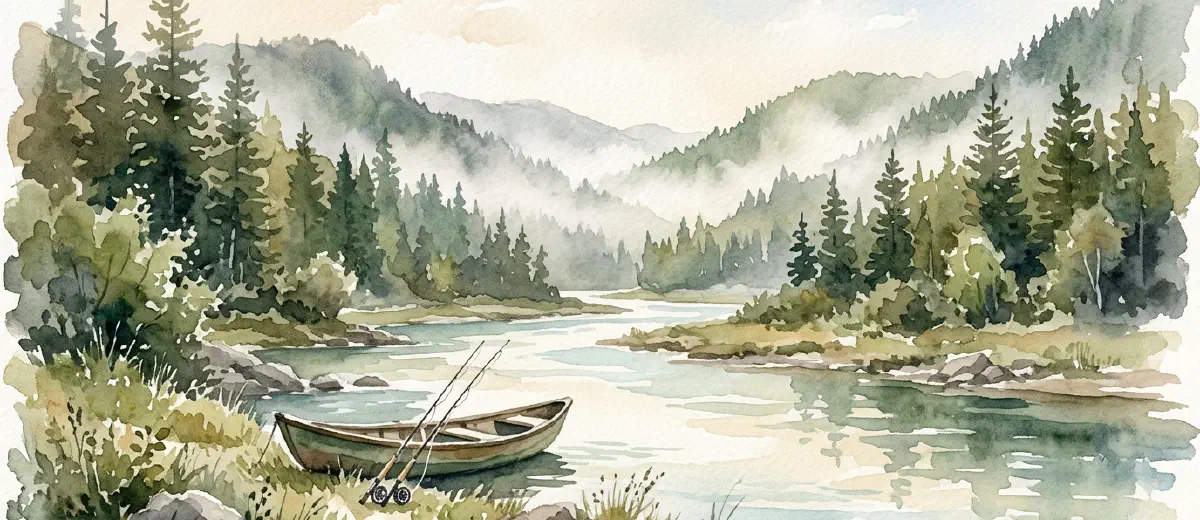
A guided fly fishing trip is one of the highest-ticket items in outdoor recreation. A half-day wade trip runs $300 to $500. A full-day float on the Madison or the South Platte can top $600. And the person searching “fly fishing guide Bozeman Montana” on their phone is almost always ready to book. That’s what makes SEO for fly fishing guides such a high-return investment. The searches are specific, the intent is strong, and the competition in most markets is surprisingly beatable.
The problem is that most fishing guides treat their website like a business card. A homepage, a bio, a few photos, and a phone number. That’s not enough to rank for the searches that actually bring in clients.
Build your keyword strategy around how anglers search
Anglers don’t search for “fly fishing guide” in a vacuum. They search with layers of specificity: a river, a species, a season, a technique. Your keyword strategy should mirror those layers.
Start with your core trip keywords. These are the searches closest to a booking:
“Fly fishing guide [your river]” — “fly fishing guide Yellowstone River,” “fly fishing guide South Platte” “Guided fly fishing [your town]” — “guided fly fishing Bozeman,” “guided fly fishing Vail” “[species] fishing trips [location]” — “brown trout fishing trips Montana,” “steelhead trips Deschutes River”
These go on your trip pages, which are your most important pages for SEO and conversions. Each trip type you offer on each river you guide deserves its own page with specific details: what species you’re targeting, what stretch of river, what time of year, what techniques you use, what’s included in the price. A trip page that covers all of this ranks and converts.
Then build out the long-tail. These are the research-phase searches that bring anglers to your site before they’re ready to book:
“Best time to fly fish the Madison River” “What flies to use on the Green River in October” “Dry fly fishing vs nymph fishing Colorado” “Is the Bighorn River good for beginners”
These are blog posts. Each one targets a search that your future clients are typing in while they plan their trip. The hard part isn’t writing them. It’s knowing which ones to prioritize.
Hatch reports and fishing reports are SEO gold
Most fly fishing guides already know what’s hatching on their local water. They talk about it with clients every day. Posting that information on your website turns daily knowledge into an ongoing stream of fresh, keyword-rich content that Google rewards.
A weekly fishing report for the Gallatin River naturally includes terms like “Gallatin River fishing report,” “caddis hatch Gallatin,” and “water conditions Gallatin River July.” Those are searches that anglers run constantly during the season, and a guide who publishes reports weekly will dominate those results over a static website.
A useful fishing report includes: current water conditions (flow, temperature, clarity), what’s hatching and what patterns are working, which stretches are fishing well, a photo or two from recent trips, and a quick note on the forecast for the coming week.
Keep them short. Three to five paragraphs is plenty. The consistency matters more than the length. A guide posting a report every Friday for six months will have 24 indexed pages, each targeting a slightly different date-based and condition-based keyword. Over time, these reports build serious topical authority for your area.
Timing matters here too. Publishing fishing content before the season gives it time to rank by the time anglers are searching.
Build location pages for every river you guide
If you guide on three rivers, you need three location pages, not one generic “our trips” page. “Fly fishing guide on the Missouri River” and “fly fishing guide on the Bighorn River” are completely different searches leading to completely different pages.
Each river page should include: what species are available and when, what the fishing is like on that water (wade vs. float, technical vs. beginner-friendly), your specific trip options with pricing, access points and logistics, and any regulations anglers need to know about.
This is also where you include the hyper-local detail that sets you apart from generic content. You know which bend in the river holds the big browns in August. You know the take-out where the wind hits hardest in the afternoon. That kind of specificity tells Google this is an authoritative page, and it tells an angler that you actually know the water.
Local SEO brings in the last-minute bookers
Anglers who search “fly fishing guide near me” are usually already in town. They’re on vacation, the weather looks good, and they want to get on the water tomorrow. These are high-value, low-friction bookings if you show up in the Google Maps local pack.
Set up and optimize your Google Business Profile. Choose “fishing guide” or “fishing charter” as your primary category. Fill out your description with the rivers and species you target. Upload recent photos from trips, not stock images. Actual grip-and-grin shots from the last few weeks.
Reviews are the biggest ranking factor for the local pack, and fishing guides have a natural advantage here. You spend an entire day one-on-one with a client. That’s a relationship, not a transaction. Most clients will leave a review if you ask at the right moment: in the truck on the way back, or in a follow-up text that evening with a link to your Google profile.
If you guide out of multiple launch points or towns, consider whether separate GBP listings make sense. A guide based in Ennis who also runs trips from Three Forks is serving two different “near me” search areas.
The guide who publishes wins
Fly fishing guides have a content advantage that most outdoor businesses don’t: your clients are obsessed with information. They want to know what’s hatching, what’s biting, what rod weight to bring, what the water looks like this week. Every one of those questions is a search query, and every answer is a page that can rank.
Most of your competitors aren’t publishing anything. Their sites haven’t been updated since last season. That means a guide who commits to one blog post a week and a weekly fishing report can build a dominant online presence in a single season. The searches are there. The competition is thin. The only question is whether you’ll be the one writing the answers.