SEO for dog sledding tour: the complete guide to getting found online
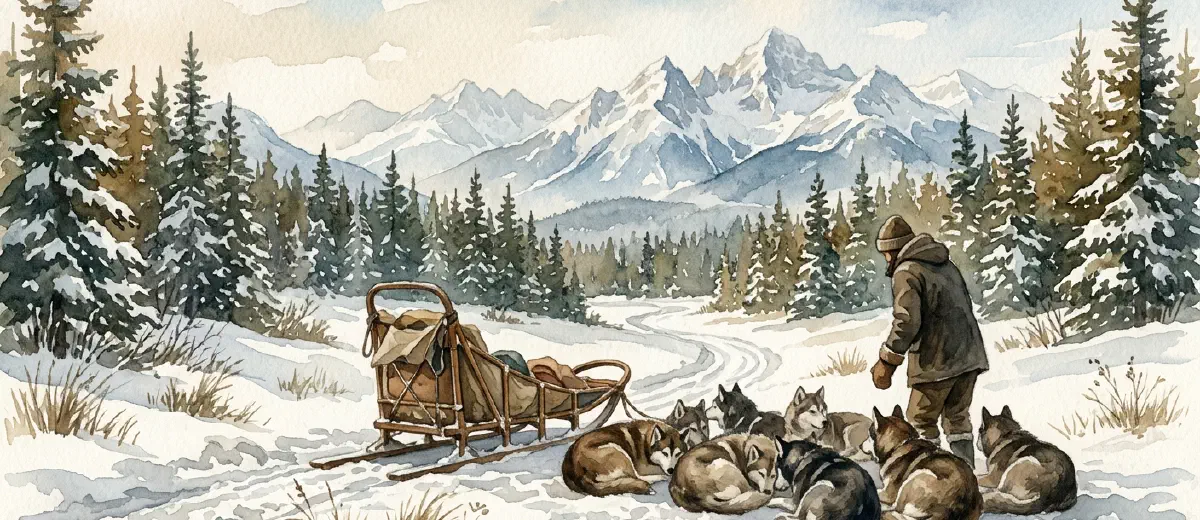
Dog sledding is one of the most concentrated niches in outdoor recreation. If you run tours in Fairbanks, Ely, or Steamboat Springs, you’re serving a highly motivated audience with very specific search behavior. The person typing “dog sled tour Fairbanks” into Google has already decided they want to do this. They’re looking for who, not whether.
Most dog sledding operators are running lean businesses focused on the dogs and the trails, not on their websites. Many have static pages that haven’t been touched since they launched. Some have no Google Business Profile at all. A few are relying entirely on OTAs like Viator and GetYourGuide to fill their tours.
All of that is fixable.
How people actually search for dog sledding
The searches that lead to bookings start with a location and an activity: “dog sledding Fairbanks,” “dog sled rides near Anchorage,” “mushing tours Minnesota Ely.” Some include intent signals: “dog sledding tour for beginners,” “drive your own dog sled Alaska,” “dog sledding half day.”
Then there’s the planning-phase search. “What is dog sledding like.” “How cold is it on a dog sled tour.” “What to wear dog sledding in Alaska.” These come from people who are interested but haven’t committed. They’re researching. This is where content earns its keep.
Understanding what customers search before booking helps you build pages that match actual search behavior. For dog sledding, that means separate pages for separate queries, not one “our tours” page trying to cover everything.
Build your keyword list in layers. Core trip pages first: one page for each tour type you offer. Then location pages if you operate in multiple areas or serve different trailheads. Then blog content targeting the planning-phase searches. Each layer serves a different search, and each layer catches a different type of visitor at a different stage of their decision.
One thing worth understanding about this niche: the search volume is thin by most outdoor recreation standards, but the buyer is unusually motivated. Someone researching “guided dog sled tour Ely Minnesota” isn’t browsing for fun. They’re planning something specific. Thin volume with strong intent often converts better than high-volume broad searches with weak intent. That means even modest organic rankings can drive real bookings.
Your trip pages are doing too much work
Most dog sledding operators have one “tours” page listing everything they offer: the half-day trip, the full-day trip, the kennel visit, the mush-your-own-team option. That page tries to rank for all of those things and ends up ranking for none of them.
Each tour type needs its own page. “Half-day dog sled tour Fairbanks” and “full-day dog sledding Alaska” are different searches with different intent. The person booking a half-day probably has a vacation itinerary they’re working around. The person booking a full day wants the real thing.
A trip page that ranks and converts describes exactly what happens from start to finish, answers the questions people are already searching before they book, and uses the keywords people actually type rather than the marketing language operators prefer. “Authentic Alaskan mushing experience” doesn’t get searched. “Drive your own dog sled Fairbanks” does.
Each trip page needs to cover the specifics guests want before they book: how long the tour runs, what guests actually do (ride as passenger, mush their own team, or both), which dogs are on the team and their background, what’s included in the price, the physical requirements, what to wear, and where to meet. The one thing most Alaska operators skip is the weather policy. Guests from the lower 48 are booking months ahead and they want to know what happens to their deposit if conditions are bad.
The local pack is where most bookings start
When someone in Fairbanks for a long weekend searches “dog sledding near me,” they get a local pack: the map and three business listings before any organic results. For tour operators, that real estate is often worth more than the organic rankings below it.
Getting into the local pack starts with your Google Business Profile. Setting up and optimizing your GBP for a dog sledding operation means choosing the right primary category, writing a description with location-specific language (city, state, nearby landmarks), and keeping the profile stocked with recent photos from actual tours.
Those photos matter more than most operators think. A GBP with 50 current, real photos of dogs in harness, trails through snow-covered spruce forest, and guests grinning in the sled ranks better than one with three stock images. Google treats photo recency and quantity as signals of an active business.
Reviews are the biggest ranking factor in the local pack. Black Spruce Dog Sledding in Fairbanks has hundreds of reviews across Google, TripAdvisor, and Yelp. That didn’t happen by accident. It requires asking. The right time is immediately after the experience: in the truck on the way back to the trailhead, while the dogs are still being unharnessed and everyone is still warm from it. A text with a direct Google review link that evening catches people while the experience is recent.
One review a day across a season builds a profile that dominates the local pack. One review a week barely keeps pace.
Content that works between seasons
Dog sledding is a deeply seasonal business. Tours run November through April in most markets. But searches don’t wait for your season to start.
People plan dog sledding trips three to four months out. By October, guests booking December and January trips are already searching. If your website was last updated in March, those searches are finding your competitors.
Off-season content has the most time to index and rank before the booking window opens. A blog post published in September about “what to expect on your first dog sled tour in Alaska” gets three months to earn links and climb rankings before peak season. Year-round SEO for seasonal businesses works exactly this way. The operators who publish in September walk into December with content already on page one. The ones who wait until December are starting from scratch when they can least afford to.
What should that content cover? The questions guests ask most before booking are a reliable starting point. How cold is it? What do you wear? Are the dogs well treated? Can kids do it? What’s the difference between riding and mushing your own team?
Each of those is a post. Each post targets a search a potential guest is running. And unlike your trip pages, this content doesn’t need to close a sale. It just needs to earn the click and build enough trust that the person eventually ends up on your booking page.
Kennel updates and trail condition reports are another content type almost nobody in this niche is publishing. A monthly post about what the dogs are training on, how the trails look, and what conditions guests can expect in the coming weeks keeps your site fresh and signals to prospective guests that this is a real, year-round operation, not a website that went dormant in April.
The other angle on this: people care about the dogs. A lot. Publishing content about your kennel (how you raise and care for your team, what your training program looks like, how you handle the dogs in extreme cold) attracts searches from people researching before they book. “Are sled dogs treated well” is a real search. Answering it on your own site puts you in front of people who have reservations about booking and turns that concern into trust.
Competing with OTAs and making your pages actually crawlable
Viator and GetYourGuide rank for nearly every dog sledding search in every major market. They have domain authority that took years and significant resources to build. You’re not going to outrank their category pages on broad searches.
Before getting into the content strategy, there’s a technical problem worth solving. If your booking widget loads inside an iframe (common with FareHarbor, Rezdy, and similar platforms), Google can’t read it. Your tour content needs to live on the page itself in regular HTML, even if the booking button hands off to an external platform. Many operators have detailed content inside their booking widget and almost nothing on the surrounding page. Google indexes the nothing. Similarly, adding TouristTrip schema markup to your pages (tour name, duration, price, location, availability) can surface your listings in rich results. Travel sites with proper schema markup see 30 to 35 percent higher click-through rates from organic search compared to those without it.
You can own the specific searches. “Dog sledding with Iditarod mushers Fairbanks” is a different search than “dog sledding Fairbanks.” “Mush your own team Alaska” is a different search than “dog sledding tours Alaska.” The more specific your content, the better it performs against OTA category pages that are built to list every operator in a region rather than describe any one of them.
The path to beating OTAs is specificity. An OTA listing describes your tour in three sentences. Your own page can cover it in 800 words, answer every question a guest might have, show a video of the dogs being hooked into their tuglines, and describe what your specific trails look like after a fresh snowfall. Google can tell the difference between a thin listing and a page that actually covers the topic.
Being listed on OTAs isn’t necessarily wrong. Visibility matters. But building organic search presence on your own site protects you from the margin cut and moves guests toward booking direct.
What the stronger operators do differently
The dog sledding operators with the strongest online visibility in markets like Fairbanks share some clear patterns.
They have differentiated pages for each tour type. Black Spruce Dog Sledding’s “Scenic Day Mushing” tour has its own URL, its own description, and enough specific content to rank on its own. The Mushing Coop describes tours along the historic Yukon Quest trail in detail. That’s a specific, searchable claim that generic competitors can’t copy.
Their credentials are prominent and specific. Saying your guides are “experienced mushers” is vague. Saying your operation is run by Iditarod veterans, with specific race history, is a trust signal no other business can replicate. That credential belongs in your GBP description, your homepage, and your trip pages. It also tends to appear in guest reviews, which compounds over time.
They appear on multiple local and regional directories: state tourism sites, city visitor bureaus, regional outdoor guides. Not just for the traffic. These listings are citations that reinforce your local SEO credibility. Being on Travel Alaska, Explore Fairbanks, and your state tourism website gives Google multiple signals that you’re a real, established business in that specific location.
Building a local keyword strategy means more than putting your city name on the homepage. It means content specific to the area where you operate, with the kind of local detail that signals expertise to search engines.
The planning window is your real competitive advantage
Most dog sledding operators do their marketing in season. They post on Instagram during tours, respond to reviews when they come in, and then go quiet from April to October. That’s when they fall behind on SEO.
The planning window for winter outdoor experiences runs from late summer through early fall. August and September are when people start researching what they’ll do on their winter vacation. October is when they start booking. If nothing is published between April and September, every search during that window goes to a competitor’s page or an OTA listing.
A content calendar that puts out two or three posts in late summer, one or two in early fall, and a round of kennel and trail updates as snow arrives in November puts you where guests are searching at exactly the right time. The posts don’t have to be long. A 500-word post answering “what do sled dogs eat and how do mushers train them” will capture searches you’re currently not getting at all.
The operators who publish during the off-season come into the booking window with searches already finding them. The ones who don’t are starting from zero every November.


