Seasonal marketing calendar for river cruise / paddlewheel
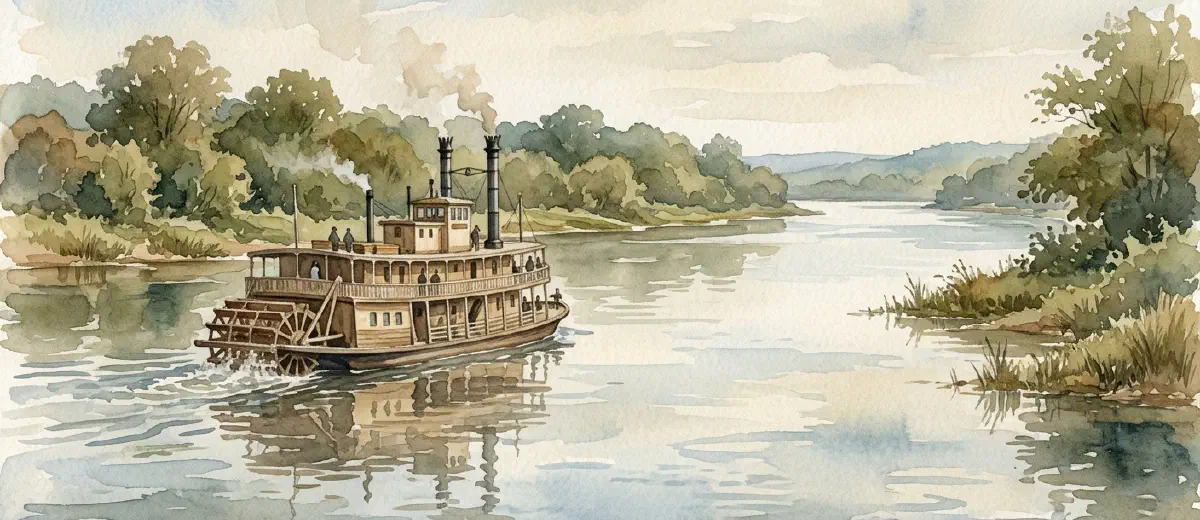
River cruise and paddlewheel operators face a marketing problem most businesses never think about. Your product is tied to water levels, weather, and daylight hours. Your season might run April through November in the South, or compress into five months along the upper Mississippi. Either way, there are months when you run boats and months when you don’t.
The marketing work that fills those boats needs to happen long before anyone steps aboard. Here is a month-by-month calendar for paddlewheel and river cruise operators on the Mississippi, Columbia, Tennessee, and similar waterways. Adjust the dates for your region and use it.
Why off-season marketing decides your peak-season revenue
Google doesn’t index a page today and rank it tomorrow. New content takes three to six months to climb into competitive search positions. That means a blog post about fall foliage dinner cruises published in September is already too late. You needed that page live in April or May.
Most river cruise operators go quiet after their last sailing. The ones who keep publishing through the winter are the ones sitting on page one when search volume starts climbing in February and March. We covered this timing problem in detail in our piece on why your off-season is your most important marketing season.
The other factor is how passengers shop. A dinner cruise or a weekend paddlewheel excursion isn’t an impulse purchase for most people. They plan weeks or months ahead, especially for group bookings, corporate events, and holiday parties. Your marketing calendar needs to match that planning cycle, not your operational cycle.
December through february: build the foundation
Your docks are empty. Search engines don’t care. They’re crawling 24/7, and the work you do now pays off in spring and summer.
Start with your trip and cruise pages. Every distinct offering should have its own page. A sunset dinner cruise is not the same product as a two-hour sightseeing cruise, and the people searching for them use different words. “Sunset dinner cruise Memphis” and “paddlewheel sightseeing cruise Memphis” are separate searches with separate intent. Build or update a page for each one.
Write “best time to visit” and planning content for your region. “Best time for a Mississippi River cruise” or “When to visit Nashville for a river cruise” are the kinds of searches that pull in visitors months before they book. These pages work year-round but they need indexing time.
Publish two or three blog posts per month. Topics that work well in winter: behind-the-scenes boat maintenance stories, crew profiles, history of your vessel, comparisons of your different cruise packages. This keeps your site active in Google’s eyes and gives you content to share in email campaigns.
Update your Google Business Profile. Fresh photos from last season, current hours (even if those hours are “closed for the season, reopening in April”), and responses to recent reviews. A stale profile signals abandonment.
If you want a framework for building this kind of quarterly plan quickly, our seasonal content calendar template walks through the process step by step.
March and april: shift to conversion content
Search volume for river cruises starts climbing now. The early planners are looking. Your job shifts from building pages to helping those visitors decide.
Comparison and decision-stage content does its best work now. “Dinner cruise vs. sightseeing cruise: which is right for your group” or “What to expect on a two-hour paddlewheel cruise on the Tennessee River.” These pages catch people who already know they want a river experience and are choosing between options.
Landing pages for specific events matter here too. Mother’s Day brunch cruise, graduation celebrations, corporate team outings. If you run a special event sailing, it needs its own page, ideally published at least 60 days before the event date.
Send your first email campaign of the year to past passengers. Early-bird pricing, new routes, season preview. People who’ve cruised with you before are your cheapest conversions.
Post on your Google Business Profile weekly with seasonal updates and photos. These posts show up directly in local search results and cost nothing.
May through july: capture peak demand
The phone is ringing. Bookings stack up. You’re busy running boats. The temptation is to stop all marketing work.
Don’t. You don’t need heavy content production right now, but you do need to maintain a few things.
Keep publishing one or two short posts per month. Trip recaps with photos work well. “Last Saturday’s sunset cruise on the Columbia” with a few real photos and a short write-up builds a library of authentic content that Google rewards. These posts also make great social media material.
Collect and post reviews. Ask passengers to leave Google reviews while the experience is fresh. Even a simple card at disembarkation with a QR code linking to your review page helps. Reviews are a direct ranking factor for local search, and the businesses that ask consistently get more of them.
Watch your booking flow. If you’re getting traffic but not conversions, something on the booking page is off. Test it yourself, on your phone, every couple of weeks. Does it load fast? Can you complete a booking in under 60 seconds? A slow or confusing checkout costs you real money during your highest-traffic months. We wrote about how to test your booking flow in under a minute.
August through september: plan the shoulder season
Depending on your market, fall is either winding down or just getting good. October dinner cruises, fall foliage excursions, Halloween event sailings, and holiday party packages can extend your revenue well past the traditional summer peak.
The content for those fall events needs to be live by August at the latest. “Fall foliage river cruise [your city]” and “holiday party cruise [your river]” are real searches with real booking intent. Give Google enough time to index and rank those pages before the demand arrives.
Start building your holiday content now. Corporate holiday parties, New Year’s Eve cruises, Thanksgiving dinner sailings. The organizations booking these events start their search in September and October. If your page isn’t indexed by then, it won’t matter how good the event is.
Audit what worked over the summer while it’s fresh. Check your Google Search Console data. Which pages brought the most traffic? Which search queries are you ranking for on page two that could move to page one with a content update? That data shapes your winter publishing plan.
October through november: don’t go dark
Your final sailings are happening or just wrapped up. You know the question: do you shut down marketing until spring, or keep going?
Keep going. The content you produce now is what ranks by March.
Publish a season recap post. Total passengers, popular routes, any new additions for next year. This page gives past guests a reason to share and gives Google a fresh signal.
Start working on evergreen content that serves you year after year. A guide to your river, a history of paddlewheel boats on the Mississippi, a “what to wear on a river dinner cruise” post. These pages accumulate traffic slowly and steadily, independent of your seasonal cycles.
Build out FAQ content based on the questions passengers asked all season. “Is the boat wheelchair accessible?” or “Can we bring our own wine?” If people asked you in person, they’re searching for it online too.
Line up your email sequences for winter. A drip campaign to past guests keeps you in their inbox without requiring weekly effort from you. Gift card promotions around the holidays generate revenue before you even put a boat in the water.
A simple monthly rhythm that works
You don’t need to publish daily or hire a full content team. Most paddlewheel and river cruise operators can sustain this with a few hours of focused work per month.
- One blog post targeting a keyword people search during the upcoming season, published three to four months ahead.
- One update to an existing cruise or trip page with current pricing, photos, and dates.
- One Google Business Profile post with a seasonal photo or event announcement.
- One email to your list, whether that’s a newsletter, a promotion, or a season preview.
Four things a month. That adds up to 48 touchpoints with search engines and past passengers over a year. Most of your competitors produce zero during the off-season.
This calendar works whether you handle marketing yourself, hand it to a freelancer, or let us handle it at alpnAI. The point is having a plan and following it. A paddlewheel operator who publishes twelve months a year will outperform one who only publishes during the five months they’re running boats. The math on that is not close.


