Seasonal marketing calendar for dog sledding tour
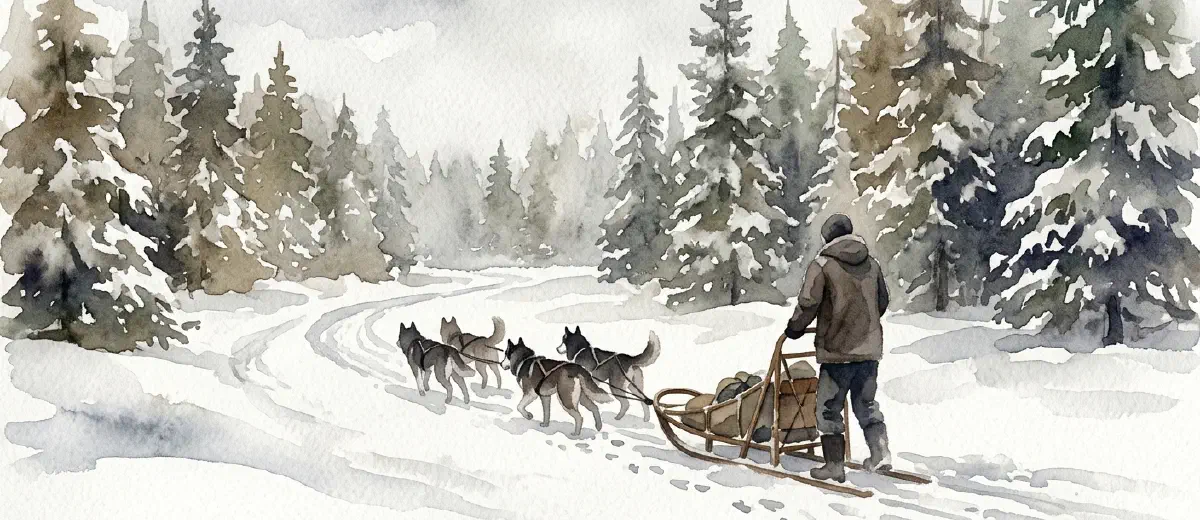
Dog sledding has one of the tightest seasonal windows in outdoor recreation. Most operators run late November through March, maybe into early April if the snow holds. That four-to-five-month window means your marketing timing matters more than it does for a rafting company with a six-month season. You have less room to be late.
The mistake most mushing operations make is treating marketing like something that happens during the season. Post a few photos of happy guests on the sled, share them on Instagram, maybe run a Facebook ad in December. Then go quiet from April through October while focusing on the dogs and gear.
Your customers don’t follow that schedule. People searching for “dog sled tour Fairbanks” or “mushing experience Ely Minnesota” start looking months before the snow flies. Google needs even more lead time. A page you publish in September won’t rank well until January or February. If you wait until opening day to start your marketing, the early-season bookings are already gone.
Here is a quarter-by-quarter calendar based on how your customers actually search and book.
April through june: build while nobody else is
This is when most dog sledding operators go completely dark online. The snow is gone, the dogs are in summer conditioning, and marketing feels like the last thing that matters. But this quiet window is your best content production time.
April through June is when you should be producing the content that will rank by fall and winter. The SEO lead time for seasonal businesses means a blog post published in May starts showing up in search results around October or November, right when your prospective customers begin planning winter trips.
Write trip guides for each tour you offer. If you run a half-day tour, a full-day expedition, and a kennel visit, each one gets its own page. “Half-day dog sled tour for beginners in Fairbanks” and “Full-day backcountry mushing trip in the Boundary Waters” are different searches with different intent, and they need different pages.
Publish “what to expect” and preparation content. “What to wear on a dog sled tour in Alaska.” “How cold does it get on a dog sled ride.” “Is dog sledding safe for kids.” These planning-phase searches are where you catch people early in their decision process. They’re researching, not booking yet, but you want your site to be the one they found first.
Update your trip pages from last season. Refresh any dates, pricing, or policy changes. Google rewards pages that get updated, and a returning visitor who sees last year’s dates will bounce.
July through september: content and local seo groundwork
Nobody is searching for dog sledding in July. That’s fine. Use the summer to handle the technical and local SEO work that pays off once the season opens.
Audit and update your Google Business Profile. Make sure your seasonal hours are set correctly, your photos are current, and your business description includes the specific locations and tour types you operate. If you haven’t done this yet, setting up your Google Business Profile properly is probably the highest-return hour you can spend all summer.
Build or refresh local landing pages. If you serve customers coming from Anchorage to do a day trip in Talkeetna, you need a page that speaks to that. “Dog sled tour near Anchorage” is a different search than “dog sled tour Talkeetna,” even if it’s the same trip. A local keyword strategy helps you figure out which location terms to target.
Start reaching out for reviews from last season’s guests who you haven’t asked yet. A steady trickle of reviews over the summer looks more natural to Google than a burst in December. Write personal emails, not form blasts. People are more likely to leave a review when the ask feels individual.
This is also a good window for site speed and mobile fixes. Your customers are booking from hotel rooms on their phones. If your site loads slowly or the booking flow is clunky on mobile, you’re losing people who were ready to pay.
October through december: ramp up and convert
Search interest for dog sledding starts climbing in October as people plan winter vacations. By November, you should be in full marketing mode.
Your Q1 and Q2 content should be ranking or close to it by now. Check your Google Search Console data to see which pages are gaining impressions. If a page is showing up in search but not getting clicks, the title or description might need a rewrite. If it’s getting clicks but no bookings, the page itself needs work.
Shift your new content toward conversion. Trip comparison pages (“half-day vs. full-day dog sled tour”), gift certificate promotion pages (dog sledding is a popular gift experience), and FAQ pages that answer the final hesitation questions. “Can I bring my 5-year-old on a dog sled tour.” “Do I need to tip my musher.” “What happens if it’s too cold.”
Start sending emails to past guests. A simple “we’re opening for the season” email to last year’s customers and anyone on your list is one of the highest-converting marketing actions you can take. Repeat customers and referrals often book early, which fills your calendar before you need to rely on new organic traffic.
Post regularly on your Google Business Profile. Seasonal updates, fresh trail photos, weather conditions. These posts keep your listing active and give Google signals that you’re open and operating.
January through march: run the season, capture the material
You’re running tours now. Keep marketing light. The goal during peak season isn’t to publish a bunch of new content. It’s to capture the raw material that fuels next year’s marketing.
Take photos and short video clips on every trip. Not staged shots, real moments. The dogs in harness at dawn. Guests laughing on the sled. Snow on the trail. This is the content that performs best on social media and that you’ll use in blog posts and landing pages later. Real photos from your actual trips outperform anything you could buy from a stock site.
Write short trip recaps when you can. Even 200 to 300 words with a few photos. “January 15 trip report: fresh powder on the Gunflint Trail, minus 12 degrees, great group.” These build a library of specific, dated content that search engines favor over generic marketing copy.
Ask every guest for a review. Have a system. A follow-up email 24 to 48 hours after their trip with a direct link to your Google review page. Don’t make them search for where to leave one. The operators who consistently build review counts are the ones who ask consistently, not just when they remember.
The off-season is where you win or lose
The operators who fill their tours every winter are rarely the ones with the best trails or the friendliest dogs. They’re the ones who treat marketing as a year-round job, even when the sled is in storage and the snow has melted.
Dog sledding is a concentrated niche. In most markets, you’re competing against a handful of other operators. That means the bar for standing out in search results isn’t impossibly high. But it does mean the operator who puts in consistent off-season work has a real advantage over the one who starts fresh every November.
You don’t need to do everything here in year one. Pick one thing from each quarter. Do it well. Then add more next year. The point is to start earlier than you did last time and stay visible through the months when it feels like nothing is happening. That quiet stretch is where next season’s bookings come from.


