Scuba and snorkel operators: how to own your local search results
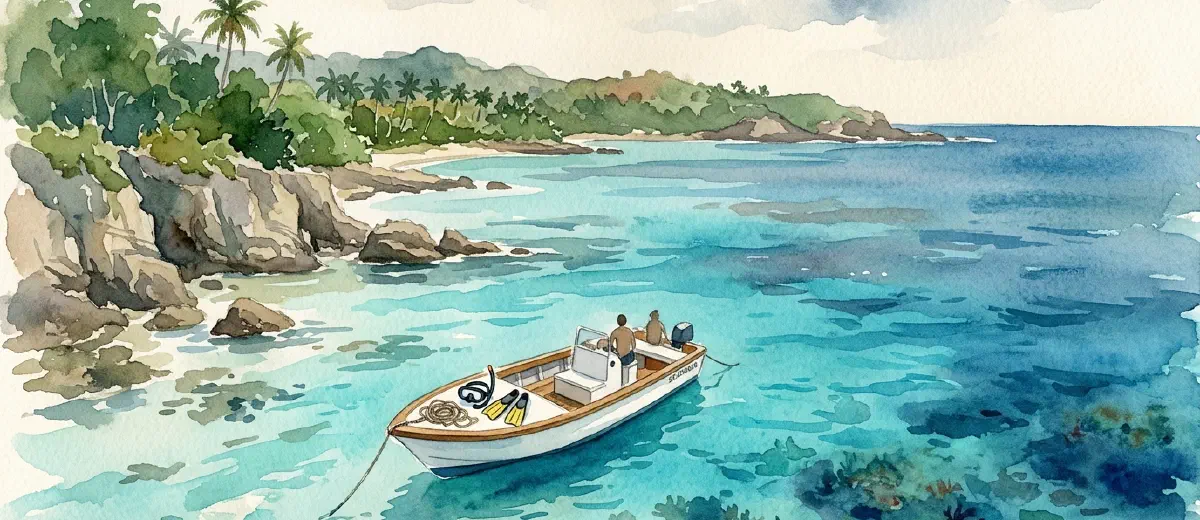
A couple lands in Key Largo on a Thursday afternoon. They want to snorkel the reef on Friday. They pull out their phones and search “snorkeling tours Key Largo.” The operator who shows up first gets the booking. Whoever ranks second might get a look. Everyone else doesn’t exist.
That’s the reality for scuba diving company SEO and local search. Dive shops and snorkel operators depend on location-based searches more than almost any other outdoor business. Nearly half of all Google searches have local intent, and for dive and snorkel businesses, that percentage is even higher. Your customers are often travelers searching from their hotel, not locals planning weeks ahead.
Owning your local search results isn’t optional. It’s the whole game.
The keywords dive and snorkel operators should target
Dive and snorkel searches break into predictable patterns, and each one represents a different customer.
Direct activity searches. “Scuba diving Key Largo,” “snorkeling tours Kona,” “diving in Cozumel.” These are your primary targets. Every location page on your site should be built around your activity plus your specific location. Not “our tours.” Make it “snorkeling tours Catalina Island.”
Certification searches. “PADI certification Monterey,” “open water course [city],” “scuba lessons near me.” Certification is a major revenue stream for most dive shops, and these searches have strong commercial intent. Someone searching for PADI certification in their city is ready to sign up. They just need to find you.
Dive site searches. “Molokini crater snorkeling,” “John Pennekamp reef diving,” “best dive sites in [area].” These are research-phase searches from people who know where they want to dive but haven’t picked an operator. Content that ranks for specific dive sites captures these people before they narrow their search to a specific company.
Gear and rental searches. “Scuba gear rental [city],” “snorkel equipment rental near me.” Lower intent than a tour booking, but these visitors are in your area and might convert to a guided trip once they’re on your site.
Condition and marine life searches. “Water visibility Key Largo today,” “whale sharks Cozumel season,” “manta ray night dive Kona.” These come from divers who already know what they want and are checking conditions. Condition content positions you as the local authority and brings in experienced divers who book premium trips.
Your local keyword strategy should cover all five categories. Most dive shops only optimize for the first one and leave the rest wide open.
Content that ranks and converts
Over 55% of organic traffic to dive shop websites comes from blog content, not service pages. That’s because service pages compete against every other operator for the same handful of keywords. Blog content lets you rank for hundreds of long-tail queries that your competitors ignore.
Dive site guides. This is your highest-value content type. A detailed guide to each dive or snorkel site you visit: depth, marine life, skill level required, best season, what makes it unique. “Guide to snorkeling Molokini Crater” or “Diving the Spiegel Grove wreck: what to expect.” These pages rank because they answer specific questions with local expertise that generic travel sites can’t match.
Write one for every site you regularly take customers to. Include your own photos. Mention what your guides point out, what marine life guests typically see, and what conditions to expect in different seasons. A dive shop in Key Largo with individual pages for each reef and wreck site will outrank every competitor with a single generic “our dive sites” page.
Certification and course pages. Each certification level and specialty course deserves its own page. “PADI Open Water certification in Monterey” is a different page from “Advanced Open Water Monterey” and “Rescue Diver course Monterey.” Include the schedule, pricing, what’s covered, prerequisites, and what students should bring. These pages convert directly to enrollment.
Marine life and seasonal content. “When do whale sharks come to Cozumel?” “Manta ray season Big Island Hawaii.” “Best time to see sea turtles in Maui.” Divers and snorkelers plan trips around marine life. A page about when to see specific species at your location is both a ranking opportunity and a trip-planning tool that leads naturally to your booking page.
Conditions reports. Weekly or monthly visibility and conditions updates. “Key Largo diving conditions this week: visibility 60 feet, light current, water temp 78°F.” These pages build a content archive over time, keep your site fresh for Google, and attract divers who are actively planning a trip for the coming days. They don’t need to be long. A few paragraphs with real data from your recent trips is enough.
Beginner content. “What to expect on your first snorkeling tour,” “do I need to know how to swim to snorkel,” “is scuba diving scary.” A huge portion of your potential customers have never been in the water with a mask on. Beginner content removes anxiety and positions your business as the approachable, trustworthy choice.
Local SEO for coastal businesses
Dive and snorkel shops face a local SEO challenge that inland businesses don’t: your customers are mostly tourists, not locals. They’re searching from a hotel or a rental, which means Google’s proximity signals work differently. You need strong local authority beyond just being close to the searcher.
Your Google Business Profile is your storefront. Set your primary category to “Scuba Diving Shop,” “Snorkeling Tour Agency,” or whatever matches most closely. Add secondary categories for equipment rental, certification courses, and specific activities. Upload photos from actual trips: underwater shots, the boat, your staff with guests. Update your hours seasonally, especially if you run fewer trips in winter months. This is your foundational setup.
Reviews are your competitive advantage. Dive and snorkel trips generate emotional responses. People see a sea turtle for the first time and they want to tell someone about it. Make it easy. A follow-up email with a direct link to your Google review page, sent the evening after their trip, catches people while the experience is fresh. Reviews that mention specific details (the dive site, the marine life, your guide’s name) carry more weight with Google’s local algorithm than generic five-star ratings.
Consistent NAP across directories. Your name, address, and phone number should match exactly on your website, Google, TripAdvisor, Yelp, PADI’s dive shop locator, and any local tourism directories. Inconsistencies dilute your local authority. For shops with a physical storefront and a separate dock or departure point, pick one primary address and use it everywhere.
TripAdvisor matters more for dive shops than most businesses. Travelers planning dive trips check TripAdvisor the way locals check Google Maps. Keep your TripAdvisor listing current and respond to reviews there too. The backlink from a well-maintained TripAdvisor profile also helps your website’s domain authority.
Mobile is everything
Over 70% of divers browse on their phones, and for travelers searching from their hotel, it’s closer to 90%. Your site needs to load fast on a phone, your booking process needs to work with a thumb, and your content needs to be scannable. Short paragraphs, clear headers, prices and schedules easy to find without scrolling through walls of text.
If someone searches “snorkeling tomorrow morning” from their hotel in Kona, they’ll tap the first result that loads fast and has a clear “book now” button. They’re not reading your company history. They want availability, price, and departure time.
The operator who publishes wins
Most dive shops have a website built five years ago with a handful of trip pages and no blog. Their Google Business Profile was filled out once and never touched. They get bookings through word of mouth, walk-ins, and hotel concierge referrals.
That works until it doesn’t. A new operator opens up, a competitor starts publishing dive site guides, or Google changes how it ranks local results. The dive shop with fifty pages of detailed, local, useful content is insulated against all of that. The one with five static pages is exposed.
Start with your best dive sites. Write the guides nobody else has written. Update your Google profile this week. The reef isn’t going anywhere. Your search rankings might.