How to rank for 'things to do in New River Gorge' and turn it into bookings
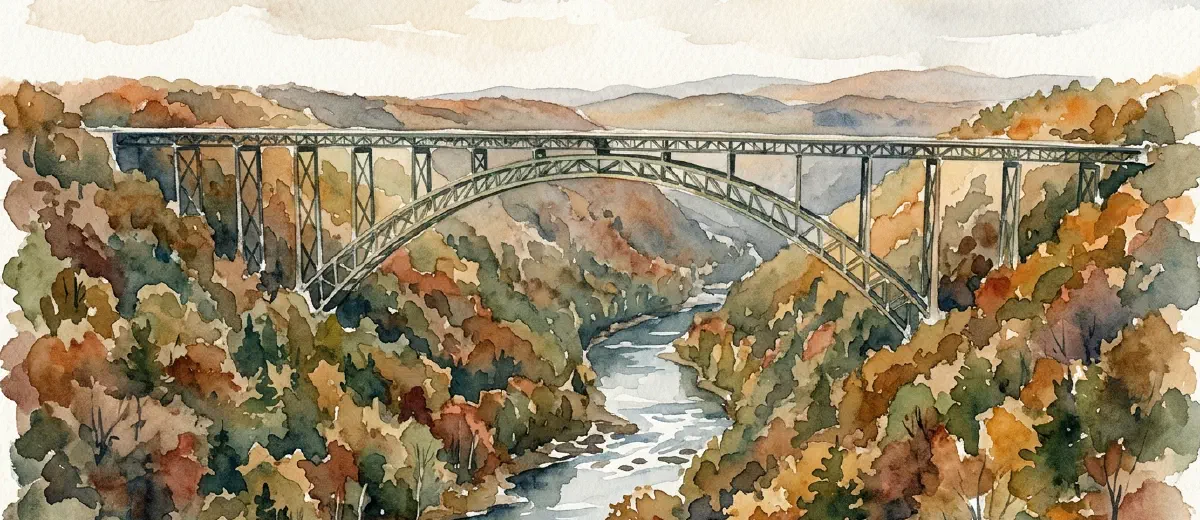
New River Gorge pulled 1.8 million visitors in 2024, according to the National Park Service. U.S. News and World Report named it the most underrated travel destination in the country for 2026. Visitation keeps climbing, and so does the search volume for “things to do in New River Gorge,” the exact query someone types after booking a cabin in Fayetteville or a hotel near Beckley.
That search is where trip planning starts. The person has picked the destination but not the activities. They have not decided how to spend their time or their money. If your outfitting company owns that page in search results, you shape their itinerary. If you don’t, TripAdvisor and the local CVB do it for you, and neither of them links to your booking page.
Below is how to build that page, rank it, and turn the traffic into trips.
Why this keyword matters more than your activity keywords
“Whitewater rafting New River Gorge” is a good keyword. So is “rock climbing New River Gorge.” But both assume the searcher already knows what they want to do. “Things to do in New River Gorge” catches people earlier, before they have picked an activity. The volume reflects that. Mid-size tourist destinations pull 10,000 to 30,000 monthly searches for their “things to do” query, and New River Gorge sits squarely in that range now that national park status has pushed it into mainstream trip planning.
The conversion potential is higher than you might expect. Someone searching “things to do” is open to suggestion. They are shopping between activities, not providers. If your page explains why a half-day on the Lower New is the best way to spend a Tuesday morning in the Gorge, you have shaped their plan and positioned yourself as the obvious booking choice.
Google also sees a page covering the full range of local activities as a signal that you actually know the place. That lifts your rankings for more specific terms like “guided rafting trips New River Gorge.” One page pulls the others up.
What to cover on the page
A “things to do” page that ranks is not a bulleted list of attractions with a sentence each. It reads like an area guide written by someone who works in the Gorge. Specific enough to be useful, long enough to signal depth to Google.
Start with the outdoor activities, since that is why most people visit. Cover whitewater rafting on both the New and the Gauley, rock climbing on the 3,000-plus established routes along 60 miles of cliff line, hiking trails like the Endless Wall Trail and Long Point, mountain biking at Arrowhead Trails, and fishing on the New River for smallmouth bass. Then move to seasonal events: Gauley Season in September, when dam releases create some of the best Class V whitewater on the East Coast, and Bridge Day in October, which drew over 120,000 spectators in 2025 to watch BASE jumpers leap off the 876-foot New River Gorge Bridge.
Include non-adventure options too. Canyon Rim Visitor Center, Fayetteville’s restaurant row, Hawk’s Nest State Park, the drive along Route 60. Visitors traveling with family members who do not raft or climb need to see that there is a full trip here, not just one activity.
Write 150 to 300 words per activity section. Give each one its own H3 heading. Mention specific trails by name, specific rapids by class, specific outfitters when it helps the reader. ACE Adventure Resort runs a zipline course in addition to rafting. Adventures on the Gorge offers overnight multi-sport packages. Naming competitors on your own page feels counterintuitive, but it signals to Google that your content is a legitimate area guide, not a thinly disguised ad. You still come out ahead because the page lives on your domain and your booking flow is one click away.
How to structure it for search engines
Keep the URL clean and keyword-forward. Something like /things-to-do-new-river-gorge/ works. No dates in the URL, since you want this page to be evergreen.
Your title tag should include the primary keyword. “Things to Do in New River Gorge: A Local Outfitter’s Guide” hits the query and signals local authority while fitting within the character limit. The meta description should mention the park, the top activities, and a reason to trust you over a generic travel site.
Use H2 headings for activity categories and H3s for individual activities. This gives Google a clear hierarchy to parse and improves your chances of pulling a featured snippet.
Add schema markup to the page. TouristAttraction schema for the area, and if you list specific trips, use Product or Offer schema with pricing and availability. Schema does not guarantee rich results, but it gives Google structured data to work with, which is more than most of your competitors are providing.
Internal linking matters here. Your things to do page should link to your individual trip pages, your best time to visit content, and any destination-specific guides you have published. Those trip pages should link back. This tells Google your site has depth on the topic, which is the signal you need to outrank a TripAdvisor listicle that links to nothing on your domain.
Turning traffic into bookings
Ranking is only useful if the traffic converts. The person reading your page is in planning mode. They want to book something. Make it easy.
Every activity section should end with a clear path to booking. Not a flashing banner or a popup, just a text link or a small call-to-action box that says something like “See our Lower New River trips” or “Check availability for guided climbing.” The transition from reading to booking should feel natural, like a friend’s recommendation that ends with “here’s where you sign up.”
Your booking flow itself needs to be fast, especially on mobile. More than half of travel searches happen on phones, and a things to do page gets a lot of that mobile traffic because people search it while they are already at the destination or on the drive in. If your booking page takes more than a few seconds to load or requires more than two or three taps to complete, you will lose the person you just convinced to raft with you.
Track which activity sections send the most clicks to booking pages. If the rock climbing section drives more conversions than the rafting section, that tells you something about your audience. Use that data to refine the page.
Building the page when you are a small outfitter
You do not need to be ACE Adventure Resort to rank for this keyword. Smaller operators sometimes have an edge because their content feels more personal. A two-guide rafting operation in Lansing can write a things to do page that reads like a local talking to a friend. Google and readers both prefer that over a polished but empty tourism board page.
Start with what you know. If you run rafting trips, the whitewater section of your page will be the best one on the internet because you are on that river every day. Write the other activity sections from the perspective of someone who lives in the area and regularly sends guests to those spots. “After your morning raft trip, drive ten minutes to Pies and Pints in Fayetteville” is more useful and more rankable than “Fayetteville offers a variety of dining options.”
You do not need to write the whole page in a weekend. Publish a solid version with your core activities covered, then add sections over the following weeks. Google rewards pages that get updated, and a page that grows from eight activities to fifteen over a few months sends a freshness signal that a static page does not.
What your competitors are doing wrong
Look at the current top results for “things to do in New River Gorge.” Most of them are thin. The NPS page is functional but not optimized for conversions. TripAdvisor’s page is user-generated and inconsistent. The CVB page is broad but shallow. Travel blogs rank well but link to nobody’s booking page.
That is your opening. None of those pages combine local expertise, activity depth, and a direct path to booking. A well-built things to do page from an operator who actually runs trips in the Gorge can slot into those results because it does what none of the current top results do: helps the reader plan and book in the same session.
The operators in New River Gorge who have started building these pages are seeing results. One rafting company added a things to do page in early 2025 and reported that it became their second-highest-traffic page within four months. The page did not just bring in new visitors. It brought in visitors who were already planning a trip and just needed a nudge toward booking.
Keeping the page working over time
A things to do page is not a set-it-and-forget-it piece. Update it before each season with current pricing, new trails or routes that have opened, and any events worth mentioning. Add sections for Gauley Season or Bridge Day well before those events happen, so the page is indexed and ranking by the time people start searching.
Check your rankings monthly. If you drop for the primary keyword, look at what changed in the results. Did a competitor publish a better page? Did Google shift toward a different content format? The fix is usually simple: add more content, update stale sections, or improve the internal linking structure.
“Things to do in New River Gorge” is not a keyword that fades. The park is growing, the search volume grows with it, and the current competition is beatable. Build the page. Keep it current. The traffic will come.


