How to rank for 'things to do in Moab' and turn it into bookings
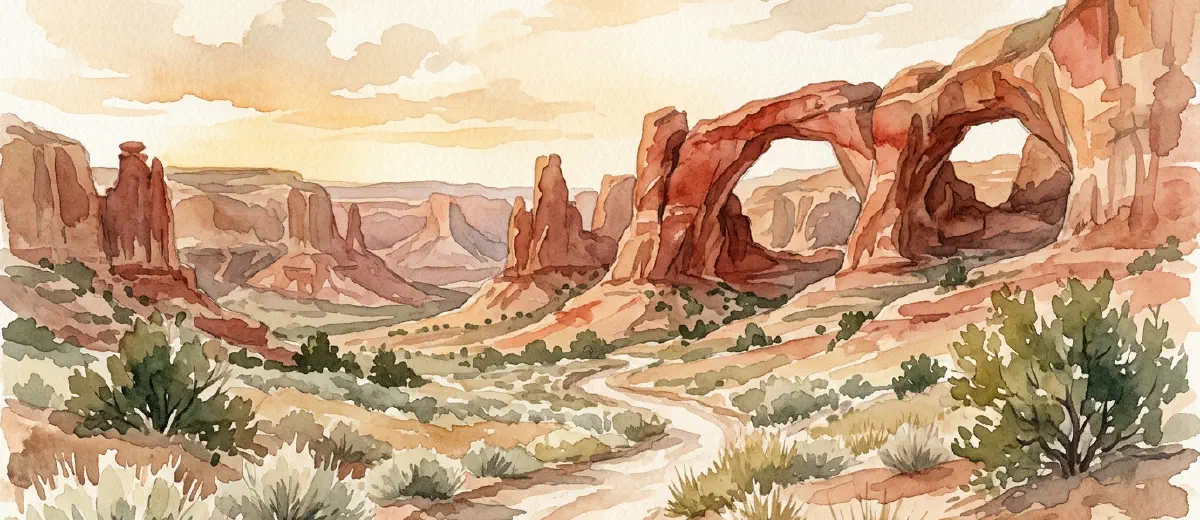
“Things to do in Moab” gets searched tens of thousands of times a month. The query spikes hard in March and holds through October, tracking almost perfectly with booking season for rafting, mountain biking, and canyoneering outfitters in Grand County.
Right now, if you search that phrase, you’ll see TripAdvisor, Viator, GetYourGuide, Expedia, and Discover Moab filling the first page. A few travel bloggers show up too. Local operators are mostly absent. That’s a problem, because 2.4 million visitors came through Southeast Utah’s national parks in 2023 and spent $397 million in nearby communities, according to the National Park Service. A lot of that spending started with someone typing “things to do in Moab” into their phone.
You can get a piece of that traffic. It takes a specific kind of page, built a specific way, with content the aggregators can’t replicate.
Why this query matters more than you think
“Things to do in Moab” is what people search before they’ve decided how to spend their money. They’ve booked the hotel or the campsite. They know they’re coming. They haven’t committed to an activity yet.
That makes it a different animal than “Moab rafting trips” or “Moab mountain bike tours.” Those are bottom-funnel searches from people who already know what they want. The “things to do” searcher is open. They’re browsing. And if your outfitter shows up with a useful local guide that mentions your half-day Colorado River float alongside the Delicate Arch hike and a sunset at Dead Horse Point, you’ve put yourself in the conversation at exactly the right moment.
The search volume is high enough that even a page-two ranking pulls real traffic. These people are trip planning, credit card within reach.
Who you’re actually competing against
Search the phrase yourself. You’ll see a predictable lineup: TripAdvisor with a “15 Best Things to Do in Moab” listicle, Viator and GetYourGuide pushing paid activities, the Discover Moab tourism site, and Visit Utah’s state-level page. Bearfoot Theory and a handful of travel blogs fill out the rest.
They’re all generic. TripAdvisor’s list is user-submitted and thin. The OTA pages exist to sell bookings on their platform, not yours. The tourism board pages cover everything at surface level. Travel bloggers write from a weekend visit, not from running trips on the Colorado every day for twelve years.
Moab Adventure Center is one of the few local operators that ranks for this term, and it’s no accident. They built a dedicated “things to do in Moab” page with real detail and direct links to their own trips. That’s the model.
You don’t need to outrank TripAdvisor. You need to show up alongside them with something they can’t offer: local authority and a direct booking path.
Build the page google wants to rank
Google can tell the difference between a scraped list and a page written by someone who actually knows the area. Your things to do page should read like advice from a friend who lives in Moab, not a chamber of commerce brochure.
Start with the outdoor activities. If you’re a rafting company, lead with rafting on the Colorado through Castle Valley, then cover mountain biking the Slickrock Trail, hiking to Corona Arch, catching sunrise at Mesa Arch in Canyonlands, and the Hell’s Revenge 4x4 trail. Give each activity two to three short paragraphs with real details: how long it takes, what fitness level it requires, what time of year is best, what it costs if there’s a fee.
Mention businesses by name where it makes sense. Chile Pepper Bike Shop for rentals. Poison Spider Bicycles if someone wants to ride Porcupine Rim. You’re writing an honest area guide, and naming real places signals to Google that your content comes from someone embedded in the community.
Use your own photos. Not stock. Shots from your actual trips on your actual river. Readers know the difference, and so does Google.
Structure the page with clear H2 headings for each activity category. Keep the URL clean. Include your target phrase in the title tag, H1, and first paragraph. This is basic on-page SEO, but a lot of outfitters skip it because they’re building activity pages, not area guides.
Connect every section to a booking path
Most outfitters who build a things to do page treat it as pure information. No links to trip pages. No calls to action. Just a nice guide that sends readers off to do things with someone else. Every section on your page should connect back to your trips or booking flow.
If someone’s reading your paragraph about Colorado River rafting, a sentence like “We run half-day and full-day guided floats through Castle Valley from April through October” with a link to your trip page is helpful, not salesy. The reader is literally planning what to do. You’re answering their question.
Your trip guides should already be built to convert. The things to do page feeds traffic into them. Think of it as the top of a funnel: broad intent enters through “things to do in Moab” and narrows into specific trip pages where the booking happens.
Include seasonal timing in each section. “The Slickrock Trail is rideable year-round but brutal in July and August heat. March through May and September through October are the sweet spot.” That kind of detail does two things: it answers a real question and it opens a natural link to content about when to visit.
Put a sample two-day itinerary near the bottom. Something like: “Day one: morning raft trip on the Colorado, afternoon hike to Corona Arch, dinner at Milt’s Stop & Eat. Day two: sunrise at Mesa Arch, mountain bike the Bar M trails, sunset at Dead Horse Point.” People love itineraries. They stay on the page longer reading them, and your business ends up at the center of the trip they’re imagining.
Don’t forget local seo signals
Ranking for “things to do in Moab” isn’t just about the page itself. Google weighs local signals heavily for destination queries.
Your Google Business Profile needs to be claimed, complete, and active. Post to it regularly. Upload photos from recent trips. Respond to reviews. A well-maintained GBP tells Google you’re a real, active business in the area, and that matters when the algorithm decides which local operators deserve to show up alongside TripAdvisor.
Build citations on tourism-related directories. The Discover Moab site, local chamber listings, Utah tourism directories. Make sure your business name, address, and phone number are consistent everywhere they appear. This is basic local SEO work but it compounds over time.
Reviews matter too. Moab Cliffs and Canyons, a canyoneering and climbing outfitter, invested in SEO and gained rankings for dozens of conversion-focused keywords. Part of what makes that work is a Google profile with hundreds of real reviews anchoring their local presence.
Measure what the page actually does
Once the page is live, track two things: organic traffic and bookings that originate from it.
Set up event tracking or UTM parameters on any links from your things to do page to your trip or booking pages. You want to know how many people land on the guide, click through to a specific trip, and actually book. If the page ranks and pulls traffic but nobody clicks through, your internal links and calls to action need work. If people click through but don’t book, the problem is on your trip page or booking flow.
Give the page at least three to six months before judging results. SEO takes time, and destination queries are competitive. But once a well-built things to do page starts ranking, it tends to hold. The content doesn’t go stale the way a blog post about a single event does. Arches will still be there next year. The Colorado will still be running. Your page just needs periodic updates as activities and pricing change.
In a place like Moab, where 1.5 million people visit Arches alone in a year, being the outfitter they find while trip planning is worth more than any ad you could run.