How to rank for 'things to do in Hilton Head' and turn it into bookings
“Things to do in Hilton Head” gets searched thousands of times every month. The island pulls over two million visitors per year and generates roughly $3 billion in tourism spending, according to the Hilton Head Island Chamber of Commerce. That query is where most of those trips start taking shape, and whoever owns that page in the search results gets first crack at the booking.
If you run a kayak outfitter, a dolphin tour, a fishing charter, or any other outdoor operation on Hilton Head, you can rank for this query. You can also turn the traffic into actual revenue. Here’s how to do both.
Why this keyword matters more than your business name
Most people planning a trip to Hilton Head aren’t searching for your company by name. They’re searching for what to do when they get there. The query “things to do in Hilton Head” sits at the top of the trip-planning funnel, right when someone has committed to the destination but hasn’t decided how to spend their time or money.
That makes it a different animal than “Hilton Head kayak tours” or “dolphin cruise Hilton Head.” Those are bottom-funnel, ready-to-book searches, and they matter. But the volume on “things to do” dwarfs them. You’re reaching people earlier, when they’re still open to suggestion and when the competition is mostly aggregator sites running on thin, generic content.
The Hilton Head CVB’s tourism data shows that daytrippers increased their per-visit spending by 26 percent in 2024 even as total daytripper numbers dropped 5 percent. Fewer visitors spending more per trip. The ones who do show up are ready to buy experiences, and getting in front of them at the “things to do” stage is how you end up on the shortlist.
Who you’re actually competing against
Search “things to do in Hilton Head” right now and look at what comes back. TripAdvisor will be there. So will GetYourGuide, Viator, the local CVB, and a handful of travel blogs. That lineup looks intimidating, but their content has a weakness you can use.
TripAdvisor’s page is a list of user-submitted reviews sorted by popularity. GetYourGuide and Viator are booking platforms showing their own inventory. The CVB page reads like a tourism brochure. None of them are written by someone who actually paddles those tidal creeks or knows which launch point gives you the best shot at spotting bottlenose dolphins on a rising tide.
That’s your opening. Google has gotten better at recognizing content written from real experience versus content assembled from third-party data. A guide written by a local operator who can say “launch from Broad Creek Marina at high tide and paddle south toward Pinckney Island for the best dolphin sightings” carries a specificity that aggregators can’t match. If you want to understand how search engines evaluate this kind of content, our breakdown of what customers Google before they book covers the research side.
How to structure the page so it ranks
Your things-to-do page shouldn’t be a bulleted list of ten attractions with one sentence each. That’s what the aggregators already do, and you won’t outrank TripAdvisor at their own format. Build a genuine area guide instead.
Lead with outdoor activities. That’s what drives most visitor spending on the island. Hilton Head has over 60 miles of paved bike trails, calm tidal waterways for kayaking and paddleboarding, and charter fishing that runs year-round. Each activity gets its own section with two to three paragraphs of real detail: where to go, when to go, who it’s best for, what it costs.
Kayak Hilton Head runs a two-hour family dolphin tour priced at $41 for adults and $21 for kids. Saltmarsh Paddle Tours takes small groups through the marsh creeks around Pinckney Island. Those are the kinds of specifics a visitor actually needs, and the kind of detail Google rewards. Your page should cover activities like these and then position your own trips as a natural option within the guide.
Use H2 headings for each activity category. “Kayaking and paddleboarding on Hilton Head,” “Biking the island’s trail network,” “Charter fishing and offshore trips.” Each H2 can rank independently for long-tail queries like “kayaking Hilton Head Island” or “Hilton Head bike trails,” pulling in traffic well beyond the main keyword.
Put your primary keyword in the title tag, the H1, and the first paragraph. Write a meta description under 155 characters that includes the location and signals depth. Something like: “A local operator’s guide to things to do in Hilton Head, from tidal creek kayaking to offshore charters and island bike trails.”
For more on building pages that cover seasonal timing and local activities, see our guide on creating trip guides that rank.
Turn information into a booking funnel
The things-to-do page isn’t the destination. It’s the entry point. Every section of your guide should include a natural path to your services without reading like a sales pitch.
Say you run kayak tours and your guide has a section on paddling through the marshes. A sentence like “We run guided marsh tours daily from April through October, launching from Broad Creek Marina” with a link to your booking page is exactly what the reader needs. They came looking for ideas. You’re giving them a specific next step.
A sample itinerary works well near the bottom of the page. “Morning: guided kayak tour through the tidal creeks. Afternoon: bike ride on the Pinckney Island trail. Evening: dinner at one of the Harbour Town restaurants.” This keeps the reader on the page longer, which Google tracks, and it positions your business as the anchor of their day.
Make booking CTAs specific and seasonal. “Book a morning dolphin paddle for your June trip” converts better than a generic “Book now” button because it matches the planning mindset of someone reading a things-to-do guide. They’re thinking about their trip in concrete terms. Your CTA should meet them there.
Your landing page is where the actual conversion happens, but the things-to-do page is what fills the top of that funnel.
On-page seo details that move the needle
Schema markup matters here. Add LocalBusiness schema to your site and TouristAttraction schema to each activity section if you can. This helps Google understand the page structure and can earn you rich results with star ratings, pricing, and location data.
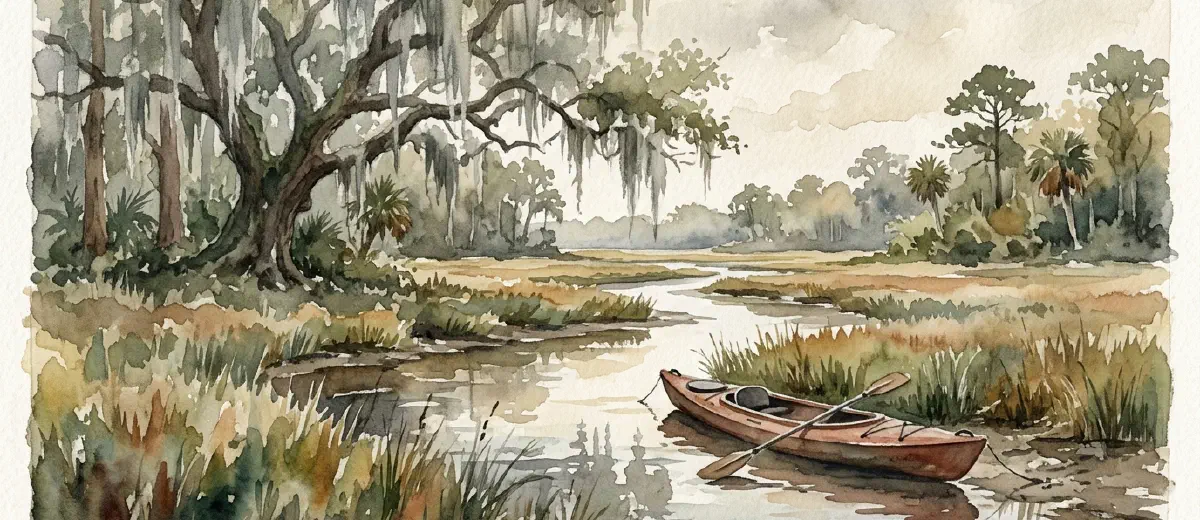
Photos should be yours. A real photo of a kayaker in Broad Creek with the marsh grass and live oaks in the background tells Google and the reader that this content comes from someone who’s actually there. Stock photos of generic beach scenes do the opposite. We cover this in our piece on real photos versus stock photos.
Update the page at least twice a year. Add new activities, refresh seasonal hours, swap in current photos. Google treats freshness as a ranking signal. A things-to-do page last touched in 2024 will lose ground to one updated for the current season. November and March are good update windows since they line up with booking season for spring and summer trips.
Page speed and mobile experience matter more than you’d think. Over 60 percent of local searches happen on phones, and a things-to-do search from someone who just checked into their rental is almost certainly happening on mobile. If your page loads slowly or the text is hard to read on a small screen, you lose the click even if you rank well.
Measure what the page is doing for you
Once the page is live, track three things. Organic traffic to the page, click-through rate to your booking or trip pages, and actual bookings that originated from the things-to-do page. Google Analytics and Search Console give you the first two. Your booking system should tell you the third if you tag the links with UTM parameters.
A Hilton Head SEO case study published by CoreConnect found that a local business combining content optimization with Google Business Profile improvements saw a 60 percent increase in leads within six months. That kind of result isn’t unusual when you pair a high-volume keyword with content that actually answers the searcher’s question and gives them somewhere to go next.
If the page is getting traffic but not driving bookings, the problem is usually one of two things: either the internal links to your booking pages are buried, or the booking page itself is creating friction. Test the path yourself on your phone. If it takes more than two taps to get from the things-to-do page to a confirmed booking, something needs to change.
The “things to do in Hilton Head” query isn’t going away. Two million visitors a year need to figure out what to do when they arrive, and they start with Google. Building the page that answers that question and wiring it to your booking system is one of the highest-return moves an outdoor operator on this island can make.


