How to rank for 'things to do in Bend' and turn it into bookings
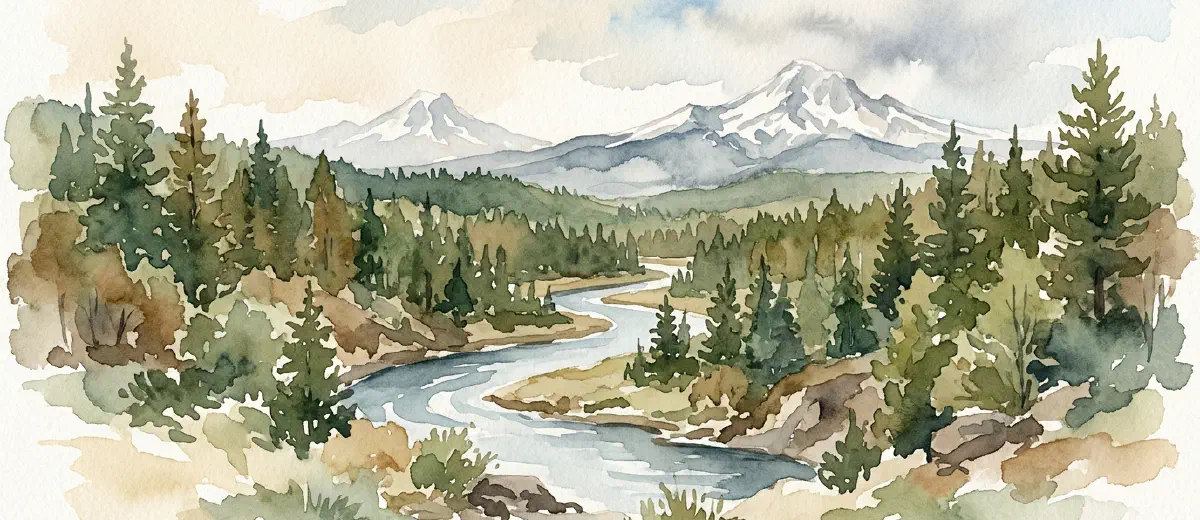
“Things to do in Bend” gets searched thousands of times a month, with a pattern that mirrors booking season almost exactly. It climbs in January when people start planning ski trips and summer vacations, holds steady through peak season, and tapers in late fall. The people typing that phrase into Google have already decided on Bend. They’re figuring out what to do when they get there.
Search that phrase right now and you’ll see TripAdvisor, Viator, Lonely Planet, and Visit Bend filling the first page. Travel bloggers take a few spots. Local outfitters are almost nowhere. That’s a missed opportunity in a region where travel and tourism generated $1.2 billion in economic impact across Central Oregon in 2024, according to Visit Bend’s research data. Much of that spending started with someone searching on their phone.
You can get a piece of that traffic. It takes a specific kind of page, and most outfitters aren’t building it.
Why this query is worth your time
“Things to do in Bend” is a planning query. The searcher has a hotel booked at the Riverhouse or a campsite reserved at Tumalo State Park. They know they’re going. They haven’t decided how to spend Tuesday afternoon.
That makes this query different from “Bend rafting trips” or “Mt. Bachelor lift tickets.” Those are bottom-funnel searches from people who already know what they want. The “things to do” searcher is still browsing. If your guide service or outfitter shows up with a useful, detailed local guide that mentions your half-day Deschutes River float alongside the hike to Tumalo Falls and a sunset beer at Crux Fermentation Project, you’ve entered the conversation while they’re still open to suggestions.
These searchers take longer to convert than someone Googling your business by name. But there are a lot more of them.
Who currently owns this search result
Pull up the SERP and take inventory. TripAdvisor runs a “Best Things to Do in Bend” listicle sourced from user submissions. Viator and GetYourGuide push paid activities on their platforms, not yours. Visit Bend covers everything at tourism-board depth. Lonely Planet published a solid “9 outdoor adventures in Bend” piece based on what reads like a long weekend trip.
None of them have what you have. TripAdvisor’s content is thin and disorganized. The OTA pages exist to sell bookings through their checkout, skimming 20-30% of your revenue along the way. Tourism board pages try to cover every restaurant, gallery, and event in town and end up saying nothing useful about any of them. Travel bloggers write from a visit. You write from running trips on the Deschutes every week for a decade.
Sun Country Tours is one of the few local operators that shows up for Bend activity queries, and they do it by maintaining detailed trip pages that double as area guides. Wanderlust Tours, which has been running naturalist-guided excursions since 1993, ranks for several niche activity terms. These aren’t accidents. You need a page built with the same intention.
Build the page that earns the ranking
Google can tell the difference between a scraped list and a page written by someone who knows the area. Your things to do page should read like advice from a friend who lives in Bend, not a visitor center pamphlet.
Lead with outdoor activities, because that’s what people come to Bend for. If you run a rafting company, open with the Big Eddy rapid on the Deschutes and the calmer float through the Old Mill District. Then cover hiking Tumalo Falls (the trailhead fills up by 9 AM on summer weekends, so say that), mountain biking the Phil’s Trail network, skiing or snowboarding Mt. Bachelor’s 4,300 feet of vertical, and fly fishing the fall Deschutes caddis hatch with a shop like Fly & Field Outfitters.
Give each activity two to three paragraphs with specifics. How long does the hike to Tumalo Falls take (about 45 minutes round trip for the lower falls)? What does a half-day raft trip cost? When does Mt. Bachelor typically open (late November most years, running through Memorial Day)? What fitness level does the South Sister summit require? Real details separate your page from every generic list on the internet.
Mention other businesses by name. Pine Mountain Sports for bike rentals. Deschutes Brewery’s original pub on Bond Street. This signals to Google that your content comes from someone who actually lives and works in Bend, not someone rewriting a Wikipedia article.
Use your own photos from your own trips. Readers can tell the difference between a stock photo of a river and a real shot from a July morning on the Deschutes. Structure the page with an H2 for each activity category, keep the URL clean, and put your target phrase in the title and first paragraph. This is standard on-page work, but most outfitters skip it because they think of themselves as building trip pages, not area guides. Your things to do page is its own SEO asset.
Connect every section to your booking flow
I see this constantly: an outfitter builds a solid area guide, fills it with good information, and then never links to their own trips. No way for the reader to act on what they just read. The reader finishes the page, thinks “cool,” and goes to book with whoever shows up next in their search.
Every section on your things to do page should connect back to something you offer. If someone is reading about the Deschutes River, a line like “We run guided half-day floats through the canyon from May through September” with a link to your trip page is useful, not pushy. The reader is actively looking for things to do. You are telling them about a thing they can do. With you.
Your trip guide pages should already be built to rank and convert. The things to do page feeds traffic into them. Broad intent enters through “things to do in Bend” and narrows into specific trip pages where the booking happens.
Include seasonal timing in every section. “Phil’s Trail is rideable from roughly May through October depending on snowmelt. Midsummer mornings are the sweet spot before afternoon heat and dust.” That kind of detail answers a real question and gives the reader a reason to keep reading instead of bouncing back to Google.
Put a sample itinerary near the bottom. Something like: morning float on the Deschutes, afternoon hike to Tumalo Falls, dinner and a beer at 10 Barrel Brewing on the east side. Day two: sunrise paddle on a Cascade lake, mountain bike Phil’s Trail, catch the sunset from Pilot Butte. People stay on the page longer reading itineraries, and your business ends up in the center of the trip they’re imagining.
Back it up with local seo signals
The page alone won’t get you there. Google weighs local signals heavily for destination queries, and Bend is competitive enough that the page needs backup.
Your Google Business Profile should be claimed, complete, and active. Post to it weekly during season. Upload photos from recent trips, not from three years ago. Respond to every review. A well-maintained GBP tells Google you’re a real, operating business in Bend, and that matters when the algorithm decides who shows up alongside TripAdvisor.
Get listed on Visit Bend’s outfitter directory, the Bend Chamber, and Visit Central Oregon. Make sure your business name, address, and phone number match exactly everywhere they appear. Citations on tourism directories won’t move the needle overnight, but they compound. Ouzel Outfitters has been running river trips out of Bend since 1979 and shows up across dozens of local directories. That consistency adds up.
And reviews. A Google profile with hundreds of recent, detailed reviews anchors your local presence in a way that no amount of on-page tweaking can replicate. If you’re not actively asking guests to leave reviews, start.
Track whether the page actually books trips
Once the page is live, track two things: organic traffic to the page and bookings that start there.
Set up event tracking or UTM parameters on every link from your things to do page to your trip or booking pages. You want to know how many people land on the guide, click through to a specific trip, and complete a reservation. If traffic comes but nobody clicks through, your internal links need work. If people click but don’t book, the issue is on your trip page or booking flow.
Give the page at least three to six months before judging. SEO takes time, and destination queries are competitive. But a well-built things to do page holds its ranking once it gets there. The Deschutes River isn’t going anywhere. Mt. Bachelor will still have snow in December. Your page just needs periodic updates when pricing, trail conditions, or hours change.
Central Oregon saw over 10 million state park visits in 2025, and Bend keeps getting named the top drive-to destination in the Pacific Northwest. The people planning those trips are searching right now. Being the outfitter they find while planning is worth more than whatever you’re spending on ads.


