How one rafting company used the winter to triple their organic traffic by summer
By June, a rafting company on the Arkansas River was pulling 1,400 organic visitors a month. The previous June, that number was 430. They hadn’t redesigned their website. They hadn’t run ads. They’d spent the winter doing the one thing their competitors refused to do: publishing content when nobody was booking trips.
What follows is an off-season SEO case study based on patterns we’ve seen across multiple outdoor recreation clients. The specific numbers are from one outfitter, but the playbook works the same whether you run raft trips, guided fishing, or backcountry tours.
Where they started
October. Season’s over. The owner is looking at Google Analytics and seeing what most outfitters see: organic search drives maybe 40% of their traffic during peak season, but the site basically flatlines from November through March. Around 430 monthly organic visits in their best month. Most of their bookings come from paid ads and referrals.
Their website had the basics. Trip pages, a booking widget, an About page, some photos. No blog. No content targeting the questions people actually type into Google before they book a trip. The site ranked on page one for their business name and almost nothing else.
They’d heard the advice about content marketing. They just never had time during the season to do it. And once the season ended, it felt pointless. Who’s searching for rafting in December?
The answer, it turns out, is a lot of people. Just not for December trips. They’re searching for next summer.
What they did from November through April
The plan was simple. Two to three blog posts per month, published on a seasonal content calendar timed to when people actually search.
They started in November with foundational content. A guide to every section of their river, written for someone who’s never been. A “what to expect on your first rafting trip” post. A gear packing list. These aren’t glamorous topics. They’re the exact questions that show up in Google’s “People Also Ask” boxes for rafting queries in their area.
December and January, they published trip comparison content. “Family float vs. whitewater: which Arkansas River trip is right for you.” A piece comparing half-day and full-day options. Another one breaking down the best times to visit by month, with honest pros and cons for each.
February and March, they shifted to seasonal anticipation content. Water level forecasts for the coming season. A post about what spring runoff means for trip difficulty. Early-season trip reports from the previous year, republished with updated dates and conditions.
By April, they had 18 published posts. Not viral content. Not anything that would win a journalism award. Practical, specific, locally relevant pages that answered the questions their future customers were already Googling.
Why the timing mattered more than the content
Here’s the part most outfitters miss. Google doesn’t rank a page the day you publish it. SEO lead time for a new page is typically three to six months. A post published in November has a realistic shot at ranking by April or May, right when booking searches spike. A post published in April is invisible until August or September, when your season is winding down.
This outfitter’s competitors all had the same instinct: shut down marketing when the season ends, scramble to turn it back on in March. By the time their spring push started gaining traction with Google, peak season was half over.
Publishing through the winter meant this company’s content was indexed, crawled, and climbing in rankings while competitors’ sites sat dormant. Google noticed. The site started earning featured snippets for long-tail queries like “best family rafting trip Arkansas River” and “what to wear whitewater rafting Colorado.”
The numbers by June
Organic traffic in June hit 1,400 monthly visitors, up from 430 the previous year. A 226% increase, and the trajectory was still climbing.
More telling than the raw traffic number:
Organic search went from driving 40% of new visitors to 63%. That’s less dependence on paid ads and referrals, which means lower customer acquisition costs.
Seven of their 18 blog posts ranked on page one for at least one target keyword. Two earned featured snippets.
One post alone, the river section guide, was pulling 200+ visits per month and had become the top entry point for people who eventually booked a trip. It wasn’t a sales page. It was a useful resource that happened to link to their booking page.
Their highest-traffic day that June was a Tuesday. Not a weekend, not a holiday. A random Tuesday when a well-ranked post got picked up in Google Discover. They booked four trips from it.
What they’d do differently
The owner admitted they started too late. November was fine, but October would have been better. Some of their best-performing posts didn’t fully mature in rankings until July, which means earlier publishing would have captured more of the May and June booking surge.
They also wish they’d published condition-based content more frequently. The water level and trip report posts outperformed everything else for conversions, but they only published a few of them. Next winter, those are the priority.
And the gear list post, which they almost didn’t write because it felt too basic, turned out to be their third highest-traffic page. Beginner content works because most of your potential customers are beginners.
What this means for your off-season
This isn’t a story about one outfitter getting lucky. It’s what happens when you take off-season marketing seriously instead of treating it as downtime.
The playbook is simple. Start an off-season SEO audit to find what your site is missing. Build a content calendar that matches when people search, not when you feel like writing. Publish two to three posts a month through the winter. Target the specific, local, question-based queries your competitors ignore.
The companies that do this build an asset that compounds. Every post published this winter is still ranking next summer, and the summer after that. The ones that don’t are starting from zero every March, wondering why their competitors keep showing up above them in search results.
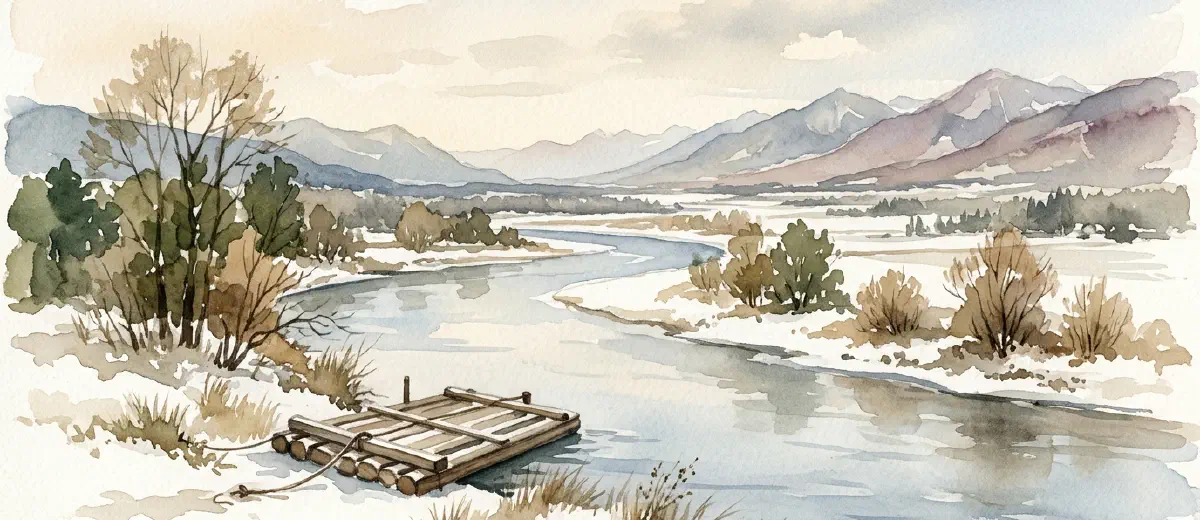
The river is frozen. Your customers aren’t on the water. But they’re on Google, planning. The only question is whether they find your site or someone else’s.