Outdoor recreation marketing in Tennessee: the keywords, competitors, and opportunities
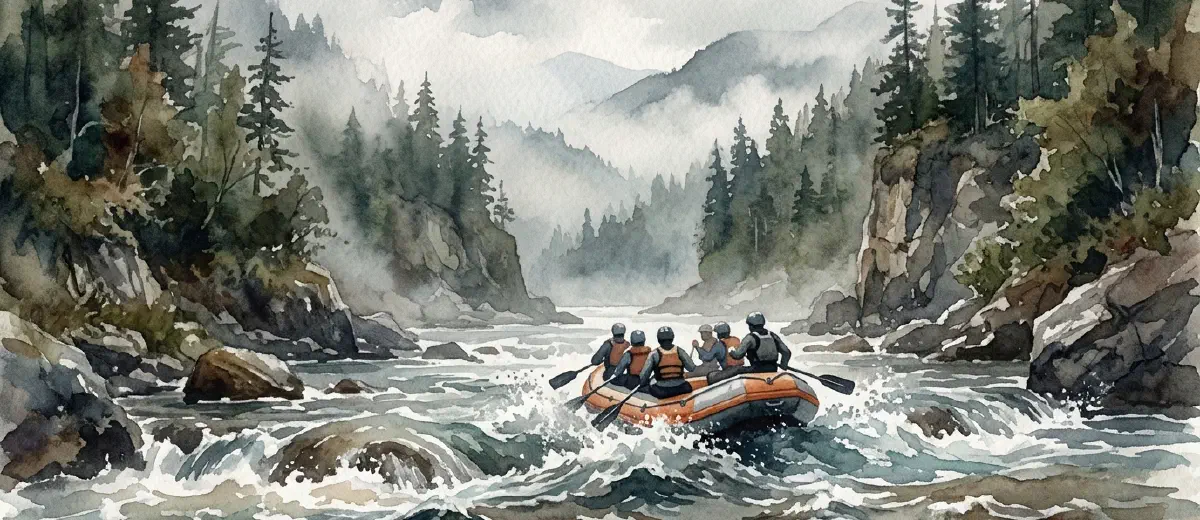
Tennessee’s tourism industry hit $31.7 billion in direct visitor spending in 2024. Great Smoky Mountains National Park pulled in over 12 million visitors. The Ocoee River is one of the most commercially rafted rivers in the country. If you run a rafting company, a zip line operation, a horseback riding outfit, or any other outdoor recreation business in Tennessee, people are already searching for what you sell. Most of them will book with whoever shows up first on Google.
What follows is a look at the keywords Tennessee outdoor operators should target, who already owns the search results, and where the real gaps are.
How people search for outdoor activities in tennessee
Tennessee outdoor recreation searches cluster around a few patterns, and each one calls for different content on your site.
Activity plus location is the highest-intent category. “Whitewater rafting Ocoee River,” “zip line Gatlinburg,” “horseback riding Smoky Mountains,” “kayaking Pigeon River.” The person typing these has already picked the activity and the area. They’re comparing operators and ready to book. If your website doesn’t have a page built around each specific activity and location you serve, you’re not in the running for these searches.
Planning and research queries pull volume too. “Best time to raft the Ocoee,” “is zip lining in Gatlinburg safe for kids,” “what to wear horseback riding in Tennessee.” These people are weeks out from booking. They’re building a shortlist, and whoever answers their question gets on it. Understanding what your customers Google before they book changes how you think about your content strategy.
“Near me” searches work differently. “Rafting near me,” “zip line near me,” “things to do near Pigeon Forge.” These are GPS-driven. Your Google Business Profile and local citations carry more weight than your blog content for these queries. Reviews, accurate categories, and consistent business information across directories are what push you into the map pack.
Seasonal and condition queries spike at predictable times. “Ocoee River water levels,” “fall horseback riding Tennessee,” “spring rafting Pigeon River.” These pull traffic from people already familiar with the area and give you a way to stay visible between booking peaks.
Who you’re competing against in search results
Search “whitewater rafting Tennessee” and the first page isn’t all outfitters. It’s a mix, and knowing who sits where tells you where to spend your effort.
TnVacation.com, the state tourism board’s site, holds top positions for broad terms. They have content on every activity in every region, backed by a domain with serious authority. You’re not going to outrank them for “outdoor activities in Tennessee.”
Viator, TripAdvisor, and GetYourGuide rank for many activity-plus-location searches. They aggregate listings from dozens of operators and have massive link profiles. A small outfitter can compete with these platforms, but the approach usually involves both listing with them for visibility and building your own pages to rank independently alongside them.
Destination marketing sites like PigeonForge.com and GatlinburgTN.org also eat up real estate on page one. They publish activity roundups and seasonal guides that rank well because of their local relevance and link networks.
Your actual competitors – the other outfitters and guides in your specific area – are the beatable ones. Most of them have thin sites. A homepage, an about page, a generic trips page, maybe a blog last touched in 2022. In a state pulling 147 million tourism visits a year, the gap between what people search for and what these sites offer is enormous.
Keyword opportunities tennessee operators miss
The broad terms are crowded. “Tennessee rafting” and “zip line Smoky Mountains” are fought over by tourism boards, aggregator platforms, and media outlets. The specific terms that actually lead to bookings are where you gain ground.
River-specific and location-specific terms are the clearest wins. “Ocoee River middle section rafting” is more useful than “Tennessee rafting” because the searcher is further along in their decision and fewer pages compete for it. “Pigeon River family rafting Hartford TN” narrows the field even more. You want the version of the search where someone already knows the specific river, the specific section, the specific town.
Comparison queries are underserved. “Ocoee vs Pigeon River rafting” or “best zip line in Gatlinburg vs Pigeon Forge” are searched by people choosing between options. An honest comparison from an operator who knows both options carries weight that a generic travel blog cannot match.
Equipment and preparation queries are low competition and high intent. “What to wear rafting on the Ocoee,” “do you get wet zip lining in Gatlinburg,” “what age can kids go horseback riding in the Smokies.” Someone asking what to wear on your river is going rafting. If your site answers that question, you are one click from their booking.
Off-season keywords produce results that most operators never bother to capture. Search volume for “Ocoee rafting” drops in December, but “best time to book Ocoee River rafting” and “spring Pigeon River water levels” still pull searches from planners. The operators publishing content year-round have ranked pages waiting when search volume climbs back in March.
Building pages that rank in tennessee’s market
Each activity and location combination you serve needs its own page. A standalone page with a URL that matches how people search, like /ocoee-river-rafting or /gatlinburg-zip-line-tours. Not a section buried inside a larger page.
A trip page for “full-day Ocoee River rafting” should cover the river section, rapid class, trip duration, what’s included, what to bring, seasonal availability, minimum age, pricing, and photos from that specific run. Write it like someone who runs those trips every day, because you do. Trip guides built with that level of detail outrank thinner pages from bigger domains consistently.
Blog content fills the gaps your trip pages can’t cover. A post answering “is the Ocoee too cold in April” catches a search your trip page would miss. A comparison of the Pigeon River versus the Nantahala for first-time rafters reaches a different audience entirely. Two or three posts a month through the off-season builds a library of ranked content by the time bookings pick up in spring.
Your Google Business Profile is the other half of this equation. For map-pack and “near me” searches, your GBP listing is often the first thing a potential customer sees. Use specific categories. “Whitewater rafting center” is better than “tour operator.” Upload real photos, not stock images. And collect reviews consistently, because a business with 80 recent reviews and a 4.7 rating gets the click over one with 15 reviews from two years ago.
Tennessee-specific content angles worth owning
Tennessee has content angles that most operators in other states do not.
The Ocoee River hosted the 1996 Olympic whitewater events. That history still drives searches and gives any Ocoee outfitter a built-in story hook that no other commercial river in the Southeast has.
The proximity to Great Smoky Mountains National Park creates a massive built-in audience. Over 12 million people visited the park in 2024, and a large percentage of them search for activities beyond hiking while they are in the area. “Things to do near Smoky Mountains besides hiking” is a real search with real volume, and an outfitter with a page targeting it is positioned to capture that overflow traffic.
Sevier County alone generated nearly $4 billion in visitor spending in 2024. The concentration of tourism dollars in the Gatlinburg-Pigeon Forge-Sevierville corridor means the demand density for outdoor activity searches in that area is among the highest in the Southeast. If you operate there and your website is thin, you are leaving bookings on the table every day.
Tennessee also has genuine activity diversity. Rafting, zip lining, horseback riding, fly fishing, caving, rock climbing, mountain biking. A multi-activity operator or a single-activity operator in a less crowded niche like fly fishing or horseback riding can rank faster because fewer competitors are producing quality content for those terms.
Where to start if your site is behind
If your website is a homepage, a trips page, and an about page, here is a practical starting point.
Build one dedicated page per core activity and location. If you run rafting trips on two rivers and offer zip line tours at one location, that is at least three pages. Write them with the detail only an operator would know. Use real photos from actual trips.
Pick five questions your customers ask before they book. “What should I wear,” “is it safe for kids,” “what time of year is best,” “how far from Gatlinburg,” “what’s the difference between upper and middle Ocoee.” Turn each one into a blog post. Those five posts will start pulling search traffic within a few months.
Set up or clean up your Google Business Profile. Get your name, address, and phone number consistent everywhere it appears online. Ask five of your best recent customers for reviews this week.
Then keep going. Publish two to three posts a month through the slow season. Run an off-season audit on your site once a year. Update trip pages when pricing or availability changes. SEO in Tennessee’s outdoor market rewards the operators who keep showing up, month after month, while everyone else waits for the phone to ring.