Outdoor recreation marketing in New York: the keywords, competitors, and opportunities
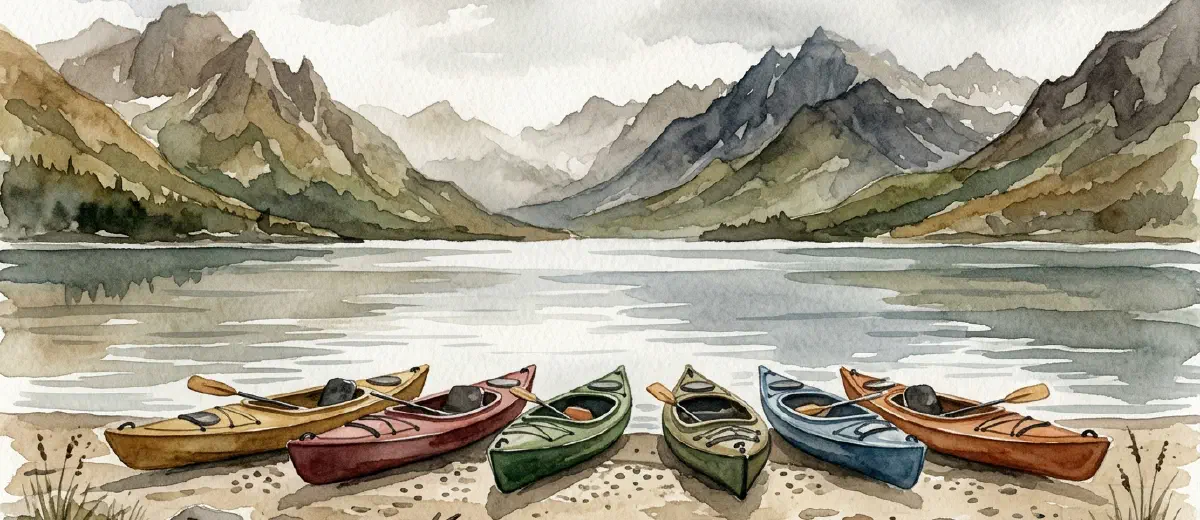
New York’s outdoor recreation economy generated $11.8 billion in 2024 according to the Bureau of Economic Analysis. The Adirondacks alone pulled in $2.5 billion in visitor spending. The Catskills added another $2.5 billion. These are real numbers from real people searching for fishing guides, kayaking outfitters, hiking trip planners, and rafting companies across the state.
If you run an outdoor recreation business in New York, that spending represents your potential customer base. The question is whether those customers can find you on Google. For most small operators in the state, the answer is no. Tourism boards, aggregator sites, and a handful of competitors with better websites are capturing the traffic instead.
This piece covers the keywords that matter, who you’re competing against in search results, and where the real openings are for New York outdoor businesses willing to do the work.
How people search for outdoor recreation in new york
The search patterns for outdoor recreation in New York split along two lines: activity and geography.
Activity searches look like “kayaking in New York,” “guided fishing trips Catskills,” “whitewater rafting Adirondacks,” or “hiking guide Hudson Valley.” Geography searches are more specific: “fly fishing Delaware River,” “kayak rentals Lake George,” “guided hikes High Peaks.” The second type converts better because the person has already picked a place. They’re closer to booking.
New York’s geography creates more keyword diversity than most states. You have the Adirondacks, Catskills, Hudson Valley, Finger Lakes, Thousand Islands, and the waterways connecting them. Each region has its own set of searches. A fishing guide in Roscoe targets completely different terms than one working the Salmon River near Pulaski. A kayak outfitter on Lake George isn’t competing with one on the Hudson near Cold Spring.
That’s actually good news. You don’t need to fight over one or two broad terms. You can own the searches specific to your river, your lake, your trailhead. Pair every activity you offer with every location you operate in.
The long-tail is where smaller operators gain the most ground. “Best time to fish the Beaverkill” has less volume than “fishing in New York,” but the person searching it is probably holding a rod by next weekend. “Beginner kayaking near Albany” is a searcher ready to book, not someone browsing vacation ideas on their couch.
Who already ranks and why they’re beatable
Search the terms your potential customers use and you’ll see a familiar cast of characters in the results.
State tourism sites, specifically iloveny.com and dec.ny.gov, hold many top positions. They rank because they have domain authority and broad coverage, but their pages are generic. They list 30 destinations on a single page without booking links, pricing, or trip-specific detail. A well-built trip page from your business can outrank them for specific queries because Google prefers the page that actually answers the question.
Aggregator platforms like Viator, GetYourGuide, and TripAdvisor show up for broader searches. They spend millions on SEO and paid ads. You will not outrank Viator for “things to do in New York.” You can outrank them for “guided fly fishing trips Catskills” or “kayak tours Lake Placid” because their listings for those terms are thin, have few reviews, and often link to operators with incomplete profiles. Competing with aggregators as a small outfitter is a different game, and it favors you on specific terms.
Local competitors, other guides and outfitters, are often the easiest to pass in rankings. Most outdoor businesses in New York still run websites that amount to a homepage, an about page, and a phone number. The New York State Outdoor Guides Association lists hundreds of member businesses, and a quick look at their sites reveals the same pattern: almost no content beyond the basics. If you build pages that cover what your competitors skip, you move up.
The keyword categories that matter most
Not all keywords deserve the same effort. For New York outdoor businesses, four categories tend to drive the most value.
Trip-type keywords are your highest-priority targets. “Guided fly fishing Delaware River,” “whitewater rafting Black River,” “kayak tours Saranac Lake,” “hiking guide Adirondack High Peaks.” Each of these should be its own page on your site with trip details, pricing, logistics, and a way to book. These pages rank and convert when they’re built with enough specific detail.
Seasonal keywords cycle through your calendar. “Ice fishing Adirondacks” peaks in December. “Fall foliage hiking Catskills” peaks in September. “Summer kayaking Finger Lakes” peaks in May and June as people plan ahead. Building content around these terms before the season starts puts you in front of searchers when demand arrives. Waiting until the season is underway means you’ve already missed the planning window.
Research keywords bring people to your site before they’re ready to book. “What to wear kayaking on the Hudson,” “is fly fishing the Beaverkill hard for beginners,” “best hiking trails near Lake Placid for families.” These are blog posts, and they matter because the person reading them is your future customer. Knowing what to write about starts with knowing what your customers are searching.
Comparison and review keywords show up during the decision phase. “Best fishing guides Catskills,” “top kayak outfitters Lake George reviews,” “Adirondack hiking guide vs self-guided.” You can’t fully control these results, but having a strong Google Business Profile with recent reviews and a site that answers comparison questions helps you show up.
New york’s seasonal search patterns and what to do with them
New York’s outdoor search volume follows a sharper seasonal curve than you might expect. Searches for warm-weather activities start climbing in March, peak between June and August, then drop fast after Labor Day. Winter activities like ice fishing and snowshoeing have their own shorter peak from December through February.
The practical takeaway is that your content needs to be published and indexed well before the search volume arrives. Google takes time to crawl, index, and rank new pages. If you publish your “guided kayaking on Saranac Lake” page in July, you’ve missed most of the booking window for that year.
Build your seasonal pages in the off-season. October through February is when you should be writing the content that will rank the following summer. March through May is when you optimize and update what’s already published. That timing might feel counterintuitive, but search engines reward pages that have been live for a while over brand-new ones.
Year-round content, like your core trip pages and evergreen blog posts about techniques, gear, and regional guides, should stay published and updated regardless of season. These pages build authority over time. Pulling them down or letting them go stale costs you ranking power that takes months to rebuild.
Google business profile and maps: your other search front
For local outdoor businesses in New York, Google Maps results often appear above the organic listings. When someone searches “kayak rentals near me” while visiting Lake George, the map pack is the first thing they see. If you’re not in it, you’re invisible for that search.
Your Google Business Profile needs to be complete, accurate, and active. That means correct business name, address, and phone number. Current photos from actual trips, not stock images. Updated hours, especially seasonal changes. And reviews, which are the single biggest factor in map pack rankings for local queries.
Most outdoor businesses in New York have a profile, but few maintain it. A profile with 15 reviews from two years ago loses to one with 80 reviews from the past six months. Asking every client for a review after their trip is the simplest marketing habit that most operators skip. It compounds over time and directly affects where you appear in local search results.
Where the real opportunities are
The biggest gaps in New York’s outdoor recreation search results are regional specificity and content depth.
Tourism boards cover every region at a surface level. Aggregators list every operator with a paragraph and a star rating. But almost nobody is producing detailed, location-specific content about what it’s actually like to fish the West Branch of the Delaware in October, or paddle the Raquette River chain of lakes, or hike the Devil’s Path in the Catskills with a guide.
If you’re a fishing guide on the Delaware, your advantage is that you know things Viator doesn’t. You know which pools fish best after rain. You know what hatch to expect in mid-June. You know the put-in spots and the parking situation. Put that on your website and you become the most useful result Google can show for those searches.
The same applies to every activity and every region. A kayak outfitter on the Hudson knows the tidal patterns, the launch points, the best stretches for beginners versus experienced paddlers. A hiking guide in the High Peaks knows trail conditions, permit requirements, and the difference between the routes up Cascade versus Algonquin. That operator-level knowledge is what search engines are looking for, and what your competitors aren’t publishing.
New York’s outdoor recreation market is large, growing, and increasingly searched online. The operators who treat their website as a content platform rather than a digital business card are the ones capturing that traffic. The work isn’t complicated, but it is ongoing. Pick your highest-value keywords, build the pages, keep them updated, and let the search volume come to you.


