Marketing outdoor activities in San Juan Islands, WA: local SEO playbook for operators
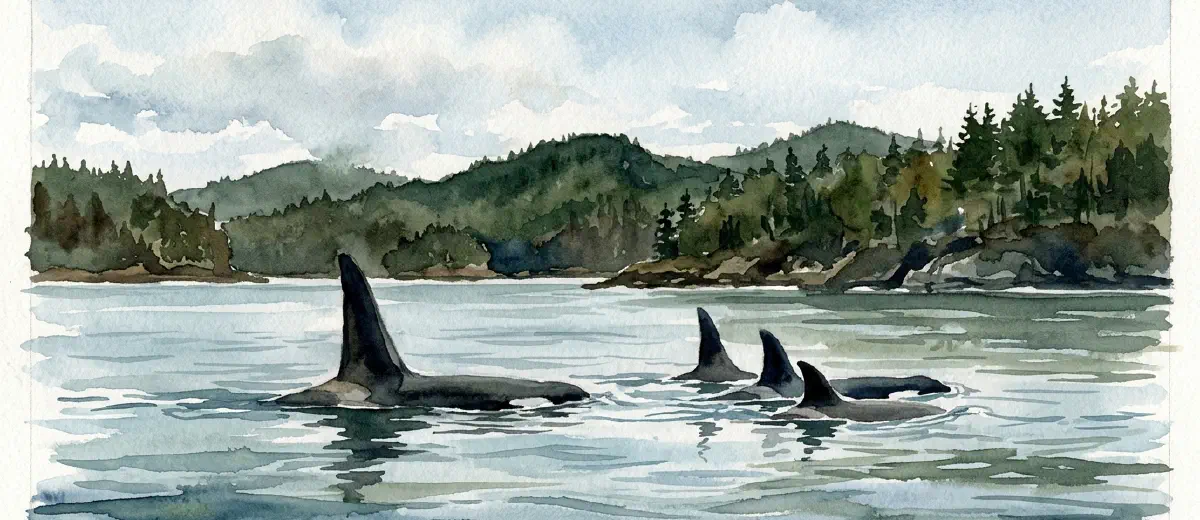
The San Juan Islands pull in roughly 650,000 visitors a year. They come for the orcas, for the kayaking, for the quiet of a Lopez Island morning before the first ferry arrives. Visitor spending has topped $250 million annually, and tourism is the county’s top economic driver behind construction. But most of that traffic flows through Visit San Juans, TripAdvisor, and aggregator listings long before it reaches your website.
If you run a whale watching outfit out of Friday Harbor, a kayak tour company on San Juan Island, a sailing charter from Roche Harbor, or a fishing guide working the salmon runs near Orcas, you already know the product sells itself. Orcas breaching in Haro Strait, bioluminescence on a night paddle, Dungeness crab pulled from your own pot. The problem is not demand. The problem is that someone searching “whale watching San Juan Islands” or “kayak tour Friday Harbor” finds an aggregator, a Viator listing, or a competitor before they find you.
Local SEO closes that gap. And this stuff is fixable.
Claim and build out your google business profile
Your Google Business Profile controls what shows up in the map pack when someone searches “whale watching near me” from the Friday Harbor ferry terminal or “kayak rental San Juan Island” from their hotel on Orcas. For most island operators, this is where calls and bookings actually start.
Start with the basics. Verify your listing. Make sure your address, phone number, and business name match exactly across your website, your Yelp page, your listing on the Visit San Juans directory, and anywhere else you appear online. Pick the right primary category. If you run whale watching tours, select “Whale Watching Tour Agency,” not “Tour Agency” or “Boat Tour Agency.” Google uses that category to decide which searches surface your profile.
Hours are tricky on the islands because most operators run seasonally, roughly April through October. If someone searches for a July whale watch in March and your profile says “Closed” because you forgot to update after last season ended, that booking goes to someone whose hours say “Opening soon for 2026 season.” Update your seasonal hours before search volume starts climbing in spring.
Photos matter more than most operators realize. Upload images from actual trips. Orcas surfacing off the west side of San Juan Island. Your guide rigging kayaks at the Roche Harbor launch. The view from Mt. Constitution on a clear day with the Cascades behind it. Not stock photos of generic Pacific Northwest scenery. Google rewards profiles with recent, original images, and searchers trust a grainy photo of a real breaching orca over a polished stock shot every time.
Post to your profile weekly during season. Whale sightings, water conditions, a new sunset paddle departure, crabbing reports. These posts signal to Google that your business is active and give potential customers a reason to choose you over the listing that hasn’t been updated since last August. For a full walkthrough, see how to set up your Google Business Profile as an outfitter.
Create separate trip pages for each activity
“Whale watching San Juan Islands” and “kayak tour Friday Harbor” and “salmon fishing charter Orcas Island” are three different searches with three different intents. They need three different pages on your site.
A single “Our Tours” page that lists whale watching, kayaking, sailing, and fishing in four bullet points won’t rank for any of those terms. A page titled “3-Hour Whale Watching Tour from Friday Harbor” that covers departure times, what you’ll see, boat details, what to bring, pricing, and a booking button will outperform a generic page every time.
San Juan Safaris does this well. They have distinct pages for their whale watching boat tours and their guided kayak tours. Different keywords, different questions answered. Sea Quest separates their multi-day kayak expeditions from their day trips and their kayak rentals. Same company, three pages, three different people finding them through search.
For each trip page, put the primary keyword in the title tag, the H1, the URL slug, and somewhere in the first hundred words. Write a meta description under 155 characters that names the island, the activity, and gives a reason to click. Every trip page needs a clear booking path, whether that is a phone number, a calendar widget, or a button that says “Book This Trip.” The local keyword playbook walks through the structure in detail.
Earn reviews and respond to all of them
Reviews affect your map pack ranking and your conversion rate. Think about it from the visitor’s side: you are standing on the Friday Harbor dock, you can see signs for five whale watching companies within walking distance, and you pull out your phone. The one with 380 reviews and a 4.8 rating gets the tap. The one with 60 reviews does not.
Ask after every trip. Not a generic email three days later. A specific, timed message sent the evening of the trip, when the guest is back at their rental scrolling through the photos they took of a humpback fluke. Include a direct link to your Google review page.
Western Prince Whale Watching has built a deep review base on Google over years. That did not happen by accident. They ask consistently, they make the process simple, and they respond to what comes back. San Juan Kayak Expeditions, operating for over four decades, carries hundreds of reviews that reference specific guides by name and describe exact routes paddled. That kind of detail in reviews helps Google understand what you offer and where you offer it.
Respond to every review. A short thank-you on a five-star review takes thirty seconds. A measured response to a one-star review about seasickness or a foggy day with no whale sightings shows the next reader that you handle feedback without getting defensive. The guide to getting more Google reviews covers how to build this system from scratch.
Write content that answers the questions people actually search
Most island operators either don’t blog at all or post generic “come visit the San Juans” content that reads like it was copied from a visitor bureau brochure. Neither approach moves the needle on search traffic, and I see both constantly.
The content that works answers the specific questions people type into Google before they book. “Best time to see orcas in San Juan Islands.” “Can you kayak to the San Juan Islands from Anacortes?” “What to wear whale watching in Washington.” “Is Lopez Island good for kayaking with kids?” These are real queries with real volume, and if you answer them well on your site, you show up when the person asking is about to spend money.
You don’t need to publish weekly. A whale watching operator who writes one solid piece per month from November through March will have a library of useful pages ranking by the time bookings pick up in May. Write about which months have the best orca sightings, what the difference is between a zodiac tour and a larger vessel, how to choose between a half-day kayak trip and a multi-day expedition, what to do if you get seasick. Each piece targets a different search and serves a different potential customer.
Crystal Seas Kayaking has been running guided trips since 1994. Their site includes content about specific routes, wildlife you might see, and what different trip lengths involve. That kind of specificity is what Google wants to surface when someone is planning a San Juan Islands trip. A page about “kayaking the west side of San Juan Island for orca viewing” will outperform a page about “kayaking in Washington” because it matches what an actual paddler types while planning.
If you want a framework for figuring out what to blog about for your outdoor business, start there.
Make your site work on a phone with weak signal
Over half of travel-related searches happen on mobile devices. On the San Juan Islands, that means people searching from the Anacortes ferry line, from Friday Harbor with one bar of service, or from an Orcas Island campground where LTE is a generous description of the connection.
Test your booking flow on your own phone over a slow connection. If it takes more than 60 seconds to go from your homepage to a confirmed reservation, you are losing customers. If your hero image is a 6MB drone shot of Roche Harbor that takes ten seconds to load at the ferry terminal, that visitor goes back to Google and taps the next result.
San Juan Island Outfitters runs a clean site where you can find tour options and book within a few taps. No maze of dropdown menus. No interstitial popups asking for your email before you can see the trip details. That is what “good enough” looks like, and most operators are not there yet.
Page speed is a ranking factor, but it is more directly a booking factor. The San Juan Islands are a market where people often decide and book on the same day, sometimes while standing in line for the ferry. If your competitor’s site loads in two seconds and yours takes eight, the booking goes to them. If you want to test this yourself, a 60-second booking flow audit is a good place to start.
Plan content around the islands’ seasonal rhythm
The San Juan Islands season runs roughly May through September, with shoulder months in April and October. But the people who book a July whale watch started searching in April or earlier. The operators who capture those bookings are the ones whose pages were already indexed and ranking when search volume climbed.
The off-season is when the real SEO work happens. November through March, when the ferries run less often and Friday Harbor gets quiet. Update your trip pages with fresh photos from last season. Publish that piece about spring whale migration patterns you have been meaning to write. Fix your Google Business Profile hours before someone searching in February finds a profile that looks abandoned. Go answer the reviews that piled up over summer.
Employment in San Juan County swings by nearly 40% between winter lows and summer peaks, according to Washington state labor data. That seasonal surge in hiring mirrors the seasonal surge in search volume. If your website goes quiet when your business does, you are handing next season’s early bookers to competitors who kept their sites active through winter.
San Juan Kayak Expeditions has been operating for more than 40 years. Part of what keeps a business like that visible is simple: their online presence does not disappear when the ferries cut back to a winter schedule. Content published over many seasons, profiles kept current, reviews collected year after year. That kind of search authority takes time to build. You cannot fake it in one summer.
If you want a structured approach to what to do during the quiet months, the off-season playbook lays out ten things to work on before your next busy season.


