Marketing outdoor activities in Jackson Hole, WY: local SEO playbook for operators
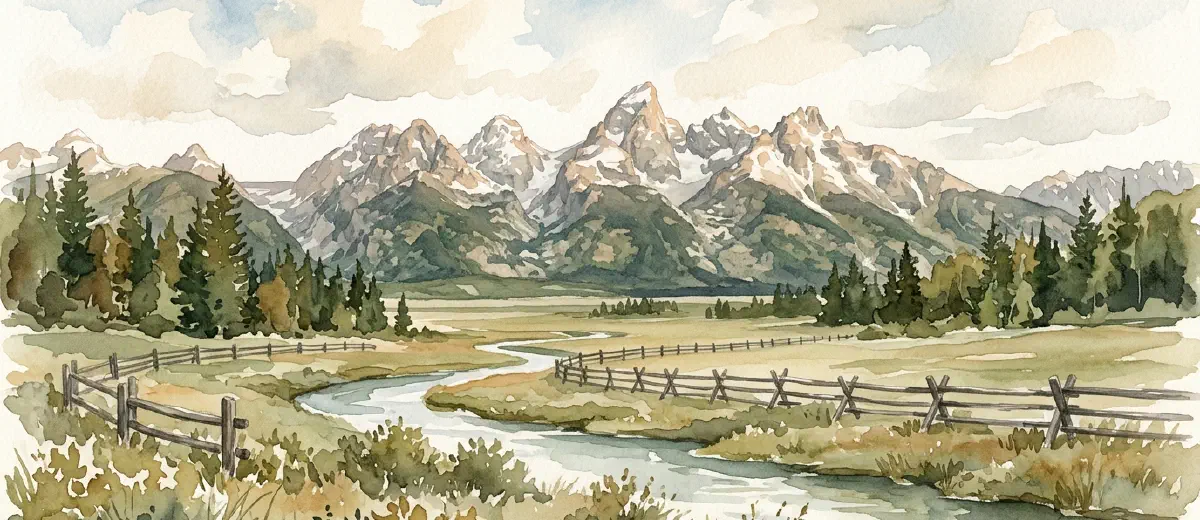
Teton County pulls in $1.68 billion a year from tourism. Around 2.6 million visitors pass through Jackson Hole annually, and Grand Teton National Park alone accounted for $808 million in visitor spending in 2024, according to the National Park Service. The money is here. Whether your operation shows up when those visitors start searching is a different story.
If you run a fly fishing guide service, a rafting outfit, a ski shop, or a horseback riding operation anywhere near Jackson, your competition for online visibility is steep. You’re up against 15-plus rafting companies on the Snake River, a handful of well-established fishing outfitters, and directory sites like visitjacksonhole.com and TripAdvisor that have been accumulating domain authority for years.
This is a local SEO playbook for operators in the Jackson Hole market. It covers what to fix first, where to put your content effort, and how to make your online presence match the quality of the experience you actually deliver on the water or the mountain.
Why jackson hole’s search results are different
Most outdoor recreation towns have a few operators competing for a handful of keywords. Jackson Hole has dozens of operators across fly fishing, rafting, skiing, and horseback riding, all compressed into one valley.
Dave Hansen River Trips has been running the Snake since 1967 and has over 3,500 Google reviews. North Fork Anglers carries ORVIS endorsement and ESPN features. Jackson Hole Mountain Resort is a global brand. These are the names that dominate page one.
You’re not going to out-authority those businesses overnight. But you don’t need to. Local SEO rewards specificity, and there’s a real gap between the big operators with strong brand recognition and the mid-size outfitters who actually do most of the guiding work in the valley. That gap is where your content strategy lives.
Not everyone searching “fly fishing Jackson Hole” or “whitewater rafting Snake River” wants the same trip. Some want a half-day float with their kids. Some want a technical dry-fly session on Flat Creek chasing trophy cutthroat. Some want an eight-day backcountry horseback trip into the Gros Ventre Wilderness. If you match your pages to the specific version of the trip someone is searching for, you win that click even when your domain is smaller than the directories.
Get your google business profile right before anything else
Your Google Business Profile is the single most important piece of your local SEO. When someone searches “rafting near me” from their hotel in Jackson, the map pack is what they see first. If your profile is incomplete, has wrong hours, or shows blurry photos from 2019, you’re invisible in that result.
Pick the most specific primary category available. “Rafting” beats “Tour Operator.” “Fishing Guide Service” beats “Outdoor Recreation.” Google uses that category to decide which searches trigger your listing.
Fill out every field. Hours, service area, attributes, description. Your 750-character description should say what you do and where you do it without stuffing keywords awkwardly. Something like “Guided fly fishing trips on the Snake River, Flat Creek, and South Fork out of Jackson, Wyoming” is specific enough that both Google and potential customers understand what you offer.
Photos matter more than most operators realize. Profiles with photos get 42% more direction requests, according to Google’s own data. Post real photos from real trips. The Snake River at sunrise with your drift boat in the frame. Your guide helping a client land a cutthroat. The put-in at West Table with the Tetons behind it. These images tell Google your profile is active and they tell potential customers what the experience actually looks like. Setting up your Google Business Profile correctly covers the full process if you want the detailed walkthrough.
Build pages that match what people actually search
The biggest content mistake I see outdoor operators in Jackson Hole make is building one “trips” page that lists everything. A single page that mentions rafting, fishing, horseback riding, and winter activities will not rank well for any of those terms on its own.
Each activity you offer needs its own page. Each specific trip type probably does too.
“Half-day whitewater rafting on the Snake River” and “scenic float trip Jackson Hole” are different searches with different intent. The whitewater searcher wants rapids and class III details. The scenic float searcher wants wildlife viewing and whether kids can come. One page cannot serve both.
For a fishing guide operation, this might mean separate pages for Snake River float trips, Flat Creek wade fishing, South Fork day trips, and Yellowstone Park waters. Each page should cover the specific river or stretch, target species, techniques, best time of year, and practical details like meeting location and what to bring.
This works because it mirrors how customers search before they book. Nobody searches your business name until they already know about you. They search for the activity, the location, and sometimes the month. Your pages need to exist for those searches or you’re not in the conversation.
Reviews are your ranking signal and your sales pitch
In a market where dozens of operators offer similar trips on the same stretch of river, reviews become the deciding factor for both rankings and bookings. Dave Hansen River Trips didn’t accumulate 3,500 Google reviews by accident. That volume and that 4.9-star average send a clear signal to Google about relevance and trust.
You need a system for this. Ask every guest. Send a follow-up text or email with a direct link to your Google review page, timed for the evening after their trip when the experience is fresh and they’re back at the lodge scrolling on their phones.
Respond to every review, the good ones and the bad ones. Your response to a one-star review tells the next fifty potential customers more about your operation than the complaint itself. Be direct, be honest, address the specific issue raised. Google factors response rate and speed into local ranking calculations too.
If reviews feel like a weak spot, getting more Google reviews as an outdoor business walks through the full system.
Write content that answers the questions visitors ask before they arrive
People coming to Jackson Hole for outdoor activities start searching long before they book. “Best time to fly fish in Jackson Hole.” “What to wear whitewater rafting Snake River.” “Is horseback riding in the Tetons worth it.” “Jackson Hole fishing license requirements.”
Every one of those is a blog post waiting to be written. Each ranks for a long-tail keyword, shows you know what you’re talking about, and puts your brand in front of someone during the planning stage of their trip.
A fly fishing guide who writes a real post about fishing Flat Creek, covering hatch charts, access points, the wade-only regulations, and what size tippet to bring, gets two things out of it. That post ranks for searches about Flat Creek fishing. And it proves to the reader that this guide actually knows the water, which makes the booking page one click away feel like an obvious next step.
Seasonal content pulls its weight here too. “Spring runoff fishing options near Jackson Hole” answers a real question that comes up every May when the Snake is blown out and visiting anglers need alternatives. A ski rental shop writing about early-season conditions at Grand Targhee versus Jackson Hole Mountain Resort captures people mid-decision about when to plan their trip.
You don’t need to publish every day. Twice a month keeps your site fresh in Google’s index and builds a growing library of pages that pull in search traffic over time. What to blog about as an outdoor business has a useful framework for coming up with ideas when you’re stuck.
Make sure your site works on a phone
This sounds obvious. It is obvious. I still see outdoor operator websites in Jackson Hole where the booking button sits below three screens of hero images, the menu breaks on mobile, or the page takes eight seconds to load because someone uploaded twenty uncompressed photos.
More than half of travel searches happen on phones. In Jackson Hole, that number is probably higher. Visitors are searching from a restaurant on the town square, deciding what to do tomorrow morning.
Your trip pages need to load in under three seconds. The phone number has to be tappable. The booking widget or form has to be visible without scrolling through paragraphs of filler. Pull up your own site on your phone and try to book a trip. If the process from homepage to booking inquiry takes more than about sixty seconds, something needs to change.
Tie it together with a seasonal plan
Jackson Hole’s outdoor market runs on hard seasonal cycles. Rafting and fishing peak June through September. Skiing runs December through April. Horseback riding has a compressed summer window. What you publish and when you publish it should follow those rhythms, but offset by a few months.
The content you publish in February about summer fishing trips is the content that ranks by June. SEO takes three to six months to gain traction for new pages. Waiting until May to write about summer is already too late.
A rough calendar for a multi-activity operator might look like this:
- October through December: publish winter activity content, ski season guides, and early booking pieces; start writing summer fishing and rafting pages for the following year
- January through March: publish summer trip pages, “best time to visit” posts, gear guides; update your Google Business Profile with current season hours and fresh photos
- April through June: shoulder-season content, spring fishing alternatives, trail condition updates; ramp up review collection from early-season guests
- July through September: quick-turnaround trip reports, conditions updates, fall activity previews; this is your busiest season so keep the publishing lightweight
The operators who win Jackson Hole’s search results are not the ones with the biggest budgets. They’re the ones who treat their website like a year-round job instead of something to update once the season is already underway. In a $1.68 billion tourism economy with millions of annual visitors typing questions into Google, showing up in search comes down to doing the work before those visitors arrive.


