Marketing outdoor activities in Bend, Oregon: local SEO playbook for operators
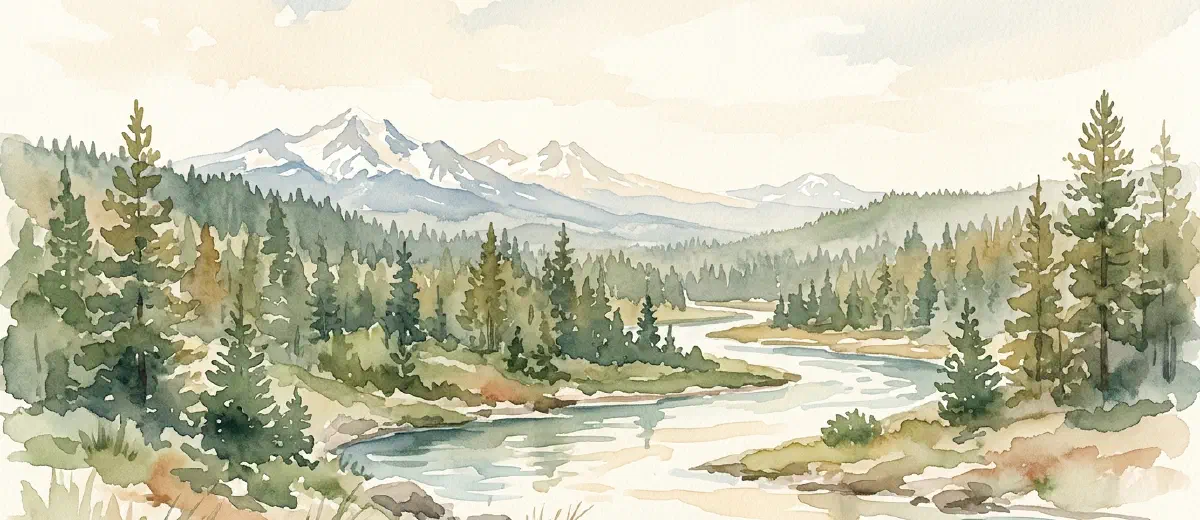
Bend draws over three million visitors a year. They come for Mt. Bachelor, for Phil’s Trail, for floating the Deschutes through town on a Tuesday afternoon. Central Oregon tourism generated roughly $1.3 billion in visitor spending in 2024, according to regional economic data. And yet most of that traffic flows through Visit Bend’s destination pages, TripAdvisor listings, and Yelp results before it ever reaches your website.
If you run a rafting company, a mountain bike tour outfit, a kayak rental shop, or a ski shuttle service in Bend, the product is not your problem. The Deschutes River sells itself. Phil’s Trail sells itself. The problem is that someone searching “kayak rental Bend Oregon” or “mountain biking near Bend” finds an aggregator or a competitor before they find you. That’s fixable.
Claim and complete your google business profile
Your Google Business Profile controls what shows up in the map pack, the knowledge panel, and increasingly in AI-generated search answers. For a Bend outdoor operator, this is where most calls and direction requests originate.
Get the basics right first. Verify your listing, confirm your address matches your website and every directory listing, and pick the right primary category. If you run raft trips, your category should be “Rafting” or “White Water Rafting,” not “Tour Agency.” If you guide mountain bike rides, choose “Mountain Biking Tour Agency.” Google uses that category to decide which searches trigger your profile.
Hours matter more in Bend than in most places because your schedule probably changes between December and July. Update your hours for each season. If someone searches for you in March and your profile says “Closed” because you forgot to update after winter, that person books with someone else.
Upload photos from actual trips. The put-in below Meadow Camp, your guides rigging boats at sunrise, the view from Phil’s Trail when the Cascades are still covered in snow. Not stock photos of generic mountain scenery. Google rewards profiles with recent, original photos, and searchers trust them more than your copywriting.
Post to your profile weekly during season. River levels, trail conditions, a new sunset paddle option. These posts are a freshness signal for Google and a trust signal for customers who want to know you’re actually running trips today. For a full walkthrough, see how to set up your Google Business Profile as an outfitter.
Build trip pages for each activity and location
“Rafting in Bend Oregon” and “mountain biking Phil’s Trail” and “kayak rental Deschutes River” are three different searches with three different intents. They need three different pages on your site.
A single “Our Activities” page listing everything you do won’t rank for any of those terms. A page titled “Deschutes River Half-Day Raft Trip from Bend” that covers the put-in, the rapids class, what to bring, pricing, and a booking button will outperform a generic page every time.
Sun Country Tours does this well. They have separate pages for their Big Eddy whitewater run, their calm water float, and their multi-day Lower Deschutes trips. Each page targets a different search, answers different questions, and captures a different type of customer. You don’t need their budget to follow the same structure.
For each trip page, put the primary keyword in the title tag, the H1, the URL slug, and somewhere in the first hundred words. Write a meta description under 160 characters that names the location and gives a reason to click. Put a booking path on every page. Phone number and a button, minimum. The local keyword playbook walks through this structure in detail.
Earn reviews and respond to every one
Reviews affect your map pack ranking and your click-through rate. In Bend, a visitor scrolling Google Maps might see eight rafting companies within a few miles of each other. The one with 230 reviews gets the tap. The one with 47 probably doesn’t.
Ask after every trip. Not a generic follow-up email three days later. A specific, timed message sent the evening of the trip, when the experience is still fresh and the person is probably sitting at a brewery on Galveston Avenue looking at their phone. Include a direct link to your Google review page, not a link to your website.
Respond to every review. A short thank-you on a five-star review takes thirty seconds and shows the next reader you’re paying attention. A measured response to a negative review about cold morning water temps or a delayed shuttle shows you take feedback seriously without getting defensive.
Tumalo Creek Kayak and Canoe has built steady review volume on Google over years. That did not happen by accident. They ask, they make it frictionless, and they respond. The guide to getting more Google reviews covers how to build that system from scratch.
Write content around the questions people actually search
Most Bend operators either skip blogging entirely or publish stuff that reads like a Chamber of Commerce pamphlet. Neither approach generates search traffic, and I see both constantly.
The content that moves the needle answers specific questions people type into Google before they book. “Is Phil’s Trail good for beginners?” “What class rapids are on the Deschutes near Bend?” “Best month to ski Mt. Bachelor?” “Can you float the Deschutes River in September?” These are real queries with real volume, and if you answer them thoroughly on your site, you show up when the person asking is making a spending decision.
You don’t need to publish every week. A Bend rafting operator who writes one solid piece per month during the off-season, say November through March, will have a library of useful pages working for them by the time bookings pick up in April. Write about water levels by month, what to wear for a spring raft trip, how a family with kids under ten should pick between a calm float and the Big Eddy run. Each piece targets a different search and serves a different potential customer.
Write about the specific trails, runs, and routes. A page about “mountain biking the Tiddlywinks trail” will outperform a page about “mountain biking in Central Oregon” because it matches what an actual rider types into Google while planning a trip. The same logic applies to skiing. “Best runs for intermediate skiers at Mt. Bachelor” is a search someone makes before buying a lift ticket, and the operator or shop that answers it earns a click that a generic “skiing in Bend” page never would.
Pick one question per piece, answer it well, and move on to the next one.
Make your site fast and usable on phones
Over half of travel-related searches happen on phones. In Bend, that means people searching from the Phil’s Trail parking lot, standing outside the Old Mill District, or sitting at Tumalo State Park with two bars of signal.
Test your booking flow on your own phone. If it takes more than 60 seconds to go from your homepage to a confirmed booking, you’re losing people. If your hero image is a 5MB panorama of the Cascades that takes eight seconds to load on a weak connection at La Pine, that visitor is going back to Google and tapping the next result.
Cog Wild’s site loads fast and puts the booking action front and center. You can find their guided ride options and book within a few taps. That’s the standard to aim for, not the five-click maze that some Bend operators still put visitors through.
Page speed is a ranking factor, but more importantly, it’s a booking factor. Bend is a market where people decide and book in the same afternoon. If your competitor’s site loads in two seconds and yours takes nine, you know where that booking goes.
Plan your content around bend’s seasons
Bend’s peak season runs roughly May through October, with ski season adding a second spike from December through March. But the people who book a July raft trip started searching in April or May. The operators who capture those bookings are the ones whose pages were already ranking when search volume climbed.
The off-season is when SEO work matters most, even if “off-season” is a stretch for a town with year-round outdoor access. Update your trip pages with fresh photos from last season. Publish that piece about spring river conditions you’ve been meaning to write. Answer the reviews that piled up during summer. Fix your Google Business Profile hours before someone searching in October sees “Closed” and moves on.
Wanderlust Tours has been running guided trips around Bend since 1993. Part of what keeps them visible is that their online presence doesn’t disappear when the snow melts or when fall rain starts. Their content, reviews, and profile stay active year-round, collecting search traffic while many competitors go quiet.
Bend has the unusual advantage of being a four-season outdoor destination. A rafting company that also covers snowshoeing or winter hikes can build year-round search visibility instead of going dark for half the year. A ski shop that writes about mountain biking in summer keeps traffic flowing twelve months straight. Few outdoor markets in the country give you that option.
If you want a structured approach to off-season marketing work, the off-season playbook lays out ten things to do before your next busy season.