Why the best outdoor businesses treat marketing like maintenance, not a project
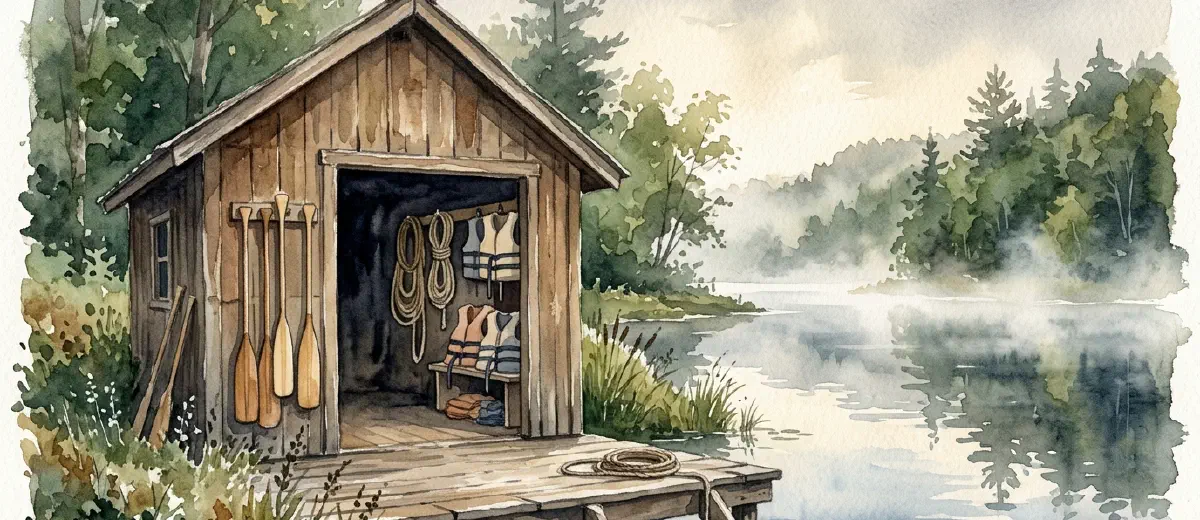
You wouldn’t patch your rafts once in March and never look at them again. You wouldn’t sharpen hooks at the start of the season and assume they’ll stay sharp through October. Gear maintenance is ongoing because the alternative is gear failure, and gear failure means a bad day on the water.
Marketing works exactly the same way. But most outdoor businesses don’t treat it that way. They treat it like a project: hire someone, build a website, write some content, run some ads, check the box, move on. Then six months later they wonder why bookings are down and their competitor is outranking them.
Consistent marketing for your outdoor business isn’t a one-time investment. It’s upkeep. And the operators who understand that are the ones whose phones keep ringing.
The project mindset and why it fails
The project approach to marketing usually looks something like this: an outfitter decides in January that they need to “do marketing.” They spend $5,000-10,000 on a new website. They write a dozen blog posts in February. They set up Google Ads for the season. By June they’re busy with trips and stop paying attention. By September the blog hasn’t been updated in four months. By December their rankings have slipped and they’re back where they started.
Next January, they do it all again. New website refresh, new burst of content, new ad campaign. Same cycle. Same results.
The problem isn’t the work itself. The website, the content, the ads — those are all the right things to do. The problem is treating them as a project with a start date and an end date. Marketing doesn’t have an end date. It has a rhythm.
We’ve written about what it actually costs when you stop doing SEO, and the numbers are real: ranking decay starts within months, organic traffic drops 40-60% within a year, and catching back up takes longer than maintaining would have. The project approach guarantees you’ll pay that cost every single cycle.
What maintenance-mode marketing looks like
Maintenance marketing isn’t glamorous. No big launch. No brand overhaul. It’s the weekly and monthly work that keeps your online presence in good shape, the same way checking your trailer lights before every trip isn’t exciting but keeps you out of trouble.
Here’s what it looks like in practice for an outdoor recreation business:
Two to four blog posts per month. Not a dozen in February and nothing the rest of the year. Steady publishing, spread across the calendar. You’re building a library of content that compounds over time, and Google rewards consistency. If you’re not sure what cadence works, we broke that down in how often to publish.
Monthly Google Business Profile updates. New photos, a post about upcoming trips or seasonal conditions, responses to recent reviews. This takes 20 minutes and signals to Google that your business is active. Profiles that go dormant lose visibility in the map pack.
Ongoing review collection. Not a one-time ask, but a system that runs after every trip. Automated text, QR code at the takeout, guides asking at the van. Reviews are freshness signals. A business with 10 reviews from last year loses ground to a competitor getting five new reviews a month.
Seasonal content refreshes. Before each season, update your trip pages with current pricing, dates, and conditions. Refresh your top blog posts with new information. This takes a day or two per season and keeps your best-performing pages ranking.
Quarterly technical checks. Broken links, page speed, mobile usability, Search Console errors. The kind of thing you’d catch during an annual gear inspection, except your website needs it quarterly.
None of this is a massive time commitment. For a typical outfitter, maintenance-mode marketing runs about five to ten hours per week, or the equivalent of one part-time staff member’s time.
The compound effect of showing up consistently
Gear that’s well-maintained lasts for years and performs when you need it. Marketing is the same.
An outfitter who publishes two blog posts a month for three years has 72 indexed pages working for them. Each one targets a different keyword, each one a potential entry point for a customer who’s never heard of them. That library keeps producing traffic without any additional work on the pages that are already published.
Compare that to an outfitter who publishes 12 posts in a burst, stops for eight months, then does another burst. They have the same 24 posts, but Google has watched them go dark twice. Their rankings spiked and faded. Their traffic chart looks like a heartbeat monitor instead of a steady climb.
The math is simple. Year-round SEO for seasonal businesses outperforms seasonal bursts every time, for the same reason that maintaining a truck year-round costs less than rebuilding the engine every spring.
What it actually costs
Most outdoor businesses overestimate the cost of consistent marketing and underestimate the cost of doing nothing.
Maintenance-mode marketing for a small outfitter might run $500-1,500 per month for content production (blog posts, page updates, GBP management), plus whatever you spend on paid ads during peak season. That’s $6,000-18,000 a year.
The project approach costs about the same in total spend, but it’s lumped into a few expensive months followed by months of nothing. You pay for a website redesign every two years ($5,000-15,000), a content burst twice a year ($2,000-5,000 each time), and escalating ad spend to compensate for declining organic traffic. Add it up and you’re spending more for worse results.
The maintenance approach feels like a smaller commitment because it’s spread out. But it builds equity. The project approach feels productive in the moment but resets to zero every time you stop.
How to shift from projects to maintenance
If you’ve been running marketing in bursts, the shift isn’t hard. It’s mostly about changing your default from “do a big thing, then stop” to “do a small thing, then keep going.”
Pick a publishing cadence you can actually sustain. Two posts a month is better than eight posts followed by nothing. If two feels like too much, start with one. The number matters less than the consistency.
Automate what you can. Review request texts after trips. Social media scheduling. Email sequences for past guests. Anything that runs without someone having to remember to do it.
Block time for marketing the same way you block time for gear maintenance. An hour on Monday mornings to write. Fifteen minutes on Fridays to update your GBP and respond to reviews. Put it on the calendar and protect it the way you’d protect a guide training day.
If you can’t do it yourself, hire someone who will do it consistently, not someone who’ll build you a beautiful thing and disappear. The off-season is the best time to start because you have the bandwidth and the content has time to rank before peak season.
Your website is gear
You’d never tell your guides to stop maintaining equipment because you’re busy with trips. The equipment is what makes the trips possible.
Your website is the same. It’s the thing that puts customers in your boats, on your trails, in your lodges. It needs the same ongoing attention you give everything else that keeps your operation running.
Maintain it like you mean it.