Marketing adaptive adventures: the underserved SEO opportunity
Most outdoor operators fight over the same thirty keywords. “Rafting near me.” “Kayak rentals [city].” “Best hiking trails [state].” The competition is brutal, the cost per click keeps climbing, and the margins shrink every year.
Meanwhile, an entire category of high-intent searches sits nearly empty.
Adaptive adventures (outdoor experiences designed for people with physical, cognitive, or sensory disabilities) represent a $58.7 billion annual travel market in the U.S. alone. That figure comes from MMGY Global, and it only counts the travelers themselves. Most bring at least one companion. Some bring entire families. One booking often means three or four guests, not one.
And almost nobody is optimizing for it.
Why the adaptive keyword space is wide open
Search for “adaptive kayaking [your region]” or “wheelchair accessible guided hikes” and look at what comes up. Nonprofit program pages. A few outdated blog posts. Maybe a forum thread from 2019.
What you won’t find: commercial operators with dedicated landing pages, optimized trip descriptions, or structured content targeting these queries. The gap between search demand and quality supply is enormous.
The reason is simple. Most operators don’t think of adaptive programming as a marketing opportunity. They see it as a nice-to-have, a community service checkbox, or something that requires too much specialized gear. The ones who do offer adaptive trips rarely build pages for them. They bury a single sentence, “we accommodate guests with disabilities,” somewhere in their FAQ and call it done.
That sentence doesn’t rank. It doesn’t answer the questions people are actually typing.
The numbers behind adaptive travel demand
One in six Americans lives with a significant disability. That’s the WHO’s 2023 figure, and it doesn’t include temporary injuries, aging-related mobility changes, or the companions who travel alongside.
The Open Doors Organization found that 70% of people with disabilities have taken at least one trip. They’re not staying home. They’re searching, planning, and booking, often months in advance because accessible options require more research and coordination.
The global accessible tourism market hit $92.7 billion in 2024 and is projected to reach $172.8 billion by 2033. That growth rate outpaces general adventure tourism.
Here’s what makes this group different from a marketing perspective: they’re loyal. When someone with a mobility impairment finds an outfitter that actually works for them - staff who understand transfers, equipment that fits, trails that are honestly described - they come back. They tell others. The adaptive sports community is tight-knit, and word travels fast on forums, Facebook groups, and through organizations like the Challenged Athletes Foundation.
What “adaptive” keywords look like in practice
You don’t need a keyword research tool to find these opportunities, though one helps. Start with the pattern: adaptive + [activity] + [location]. Then expand.
Searches people are already running include “adaptive kayaking programs near me,” “wheelchair accessible fishing charters Florida,” “sit-ski lessons Colorado,” and “accessible horseback riding trails.” Layer in variations: “guided hikes for wheelchair users,” “hand-cycle rentals Moab,” “adaptive rock climbing gym near me.”
These aren’t high-volume keywords. Most show 50-200 monthly searches individually. But they convert at rates that would make your “rafting near me” page jealous, because the searcher has already decided they want to do the activity. They’re looking for the operator who can make it happen.
Stack enough of these long-tail terms together and you’re looking at meaningful traffic. Ten pages each pulling 100 visitors per month gives you 1,000 monthly visitors with almost no competition. Try getting that from generic rafting keywords without spending years building domain authority.
The activity + city keyword strategy you’d use for any local SEO campaign works here. Just applied to an audience your competitors haven’t noticed.
Building pages that actually rank for adaptive searches
A single “accessibility” page on your site won’t cut it. You need dedicated pages for each adaptive offering, structured the same way you’d build any trip page.
For each adaptive program you run, create a standalone page that includes the specific activity and location in the title tag, honest detail about what accessibility looks like (type of adaptive equipment, transfer assistance available, trail surface and grade, water conditions), pricing and what’s included, photos showing the actual adaptive gear and setup you use, and schema markup with accessibility attributes.
The National Ability Center in Park City does this well. They serve over 80 different diagnoses and their site explains exactly what each program involves, what equipment they provide, and what participants need to know. They rank for dozens of adaptive skiing keywords partly because they treat each program as its own content asset, not a footnote.
Contrast that with most operators who offer adaptive trips but don’t build pages for them. Their content isn’t creating bookings because it doesn’t exist in a form Google can match to a query.
One thing most operators get wrong: they lump all disabilities into a single page. A guest searching for sit-ski lessons has completely different needs than someone looking for adaptive kayaking. Google knows this too. Separate pages for separate activities mean separate ranking opportunities.
Content that builds trust with adaptive travelers
The adaptive travel community has been burned by vague promises. “We’re accessible” means nothing without specifics. Your content needs to prove competence, not just claim it.
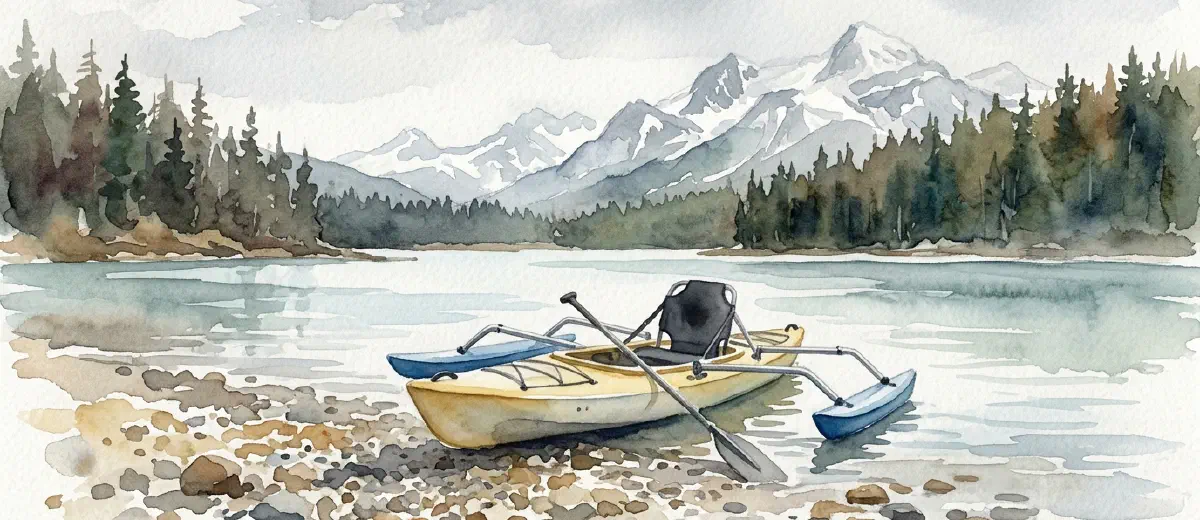
Write trip descriptions that name the exact adaptive equipment you use. Angle Oar makes stabilizing attachments for kayak paddles. If you use their gear, say so. If your guides hold adaptive certifications, list them. If your rafts have specific rigging for seated participants, describe it.
Publish a “what to expect” page for adaptive guests. Cover logistics that most operators skip: vehicle-to-water transfers, restroom accessibility at put-in and take-out points, weight and height limits for equipment, communication methods for guests with hearing or vision impairments.
We’ve seen operators gain traction by filming short videos of actual adaptive trips - not polished marketing reels, but honest clips showing how transfers work, what the gear looks like set up, and what the trail or water conditions really are. That content ranks in YouTube and Google Video results for terms nobody else is targeting.
Reviews matter more here than in any other segment. A single detailed Google review from an adaptive guest describing their experience carries enormous weight. Ask for them. Respond to them. A review that says “the guides knew exactly how to help me transfer into the raft and I felt safe the entire time” does more for your rankings and conversions than any marketing copy you could write.
The companion multiplier effect
This is the part most operators miss in their revenue projections.
A traveler who uses a wheelchair doesn’t book a solo kayak trip. They bring a partner, a friend, a parent, an aide - sometimes all of them. The Open Doors data confirms this pattern: accessible tourism consistently generates multi-guest bookings.
An operator in Arizona running adaptive mountain biking through High Country Adaptive Sports isn’t filling one spot per inquiry. They’re filling two to four. At $85-150 per person for a guided half-day, that single adaptive booking generates $170-600 in revenue.
Now factor in the loyalty loop. Adaptive travelers who have a good experience don’t shop around next year. They rebook and bring new people. Your customer acquisition cost drops to nearly zero on repeat visits. Compare that to the churn on your standard trip pages, where price-shoppers bounce between you and every other operator on Viator.
When you build your location-based content pages, include your adaptive offerings alongside your standard trips. This signals to both Google and potential guests that accessibility isn’t an afterthought at your operation.
Getting started without overhauling your business
You don’t need to become a full adaptive sports nonprofit to capture this SEO opportunity. Start with what you already have.
Audit your current trips for accessibility. Some of your calm-water paddles, easy hiking routes, or scenic float trips may already work for guests with certain disabilities. You just haven’t said so anywhere on your site.
Partner with a local adaptive sports organization. Outdoors for All in the Pacific Northwest, NEHSA in New Hampshire, and Oregon Adaptive Sports have decades of experience. Many will co-run trips, provide equipment, or train your guides. That partnership gives you credibility and content. A joint program page is stronger than a page you build alone. These organizations also link back to their partners, which earns you backlinks from high-authority .org domains that Google trusts.
Create three to five dedicated landing pages targeting your most relevant adaptive keywords. Optimize them the way you’d optimize any trip page that needs to rank: primary keyword in the H1, honest descriptions, local schema, and internal links from your main navigation.
Then do what almost nobody in the outdoor industry does for adaptive content: update it. Add trip reports from adaptive outings. Post new photos each season. Respond to the questions you get from adaptive guests and turn those answers into FAQ content.
The operators who move on adaptive SEO now won’t just capture low-competition keywords. They’ll build a reputation with an audience that rewards good operators with loyalty, referrals, and the kind of organic buzz that no amount of paid advertising can buy.


