Local SEO for stargazing / dark sky tour: dominating Google Maps in your area
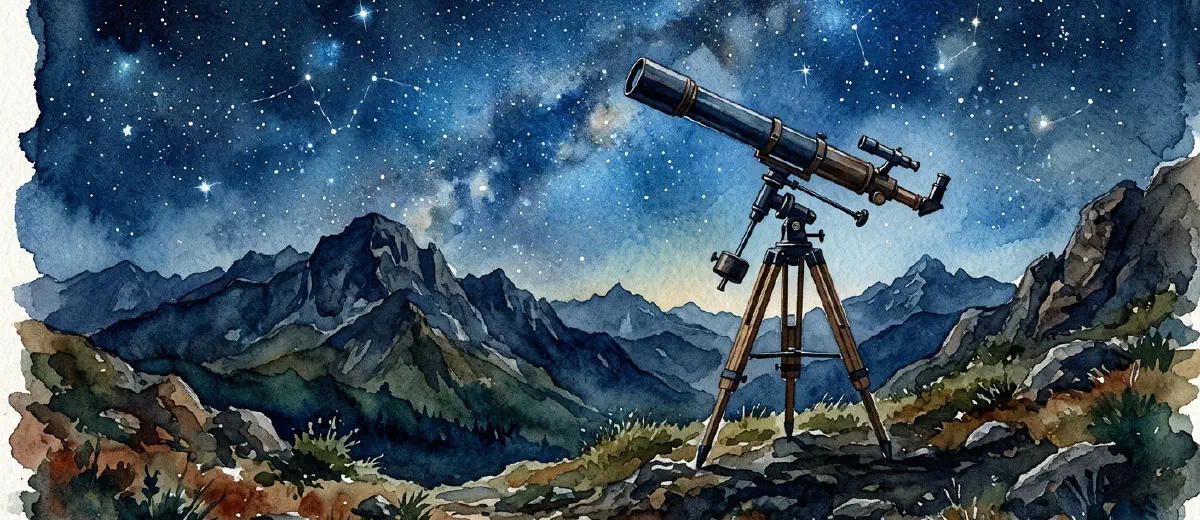
Someone drives four hours to a dark sky preserve on a Friday night, parks, and pulls out their phone to find a guided tour. They type “stargazing tours near me.” Three results show up on the map. If you’re not one of them, you lost that booking before the stars came out.
Dark sky tourism is growing. The International Dark-Sky Association has designated over 200 dark sky parks and reserves worldwide, and that designation has become a travel draw in its own right. National parks list astronomy programs. Regional tourism boards are building out dark sky itineraries. Travelers who once drove to a trailhead and looked up are now looking for someone to explain what they’re seeing.
The search demand is real. The local SEO competition, in most markets, is not. Most dark sky tour operators have a mediocre Google Business Profile, a thin website, and a handful of reviews that trickle in without any effort to collect them. Ranking in the map pack for your area is achievable here. This guide covers what actually moves it.
Why dark sky searches favor local operators
Unlike rafting or fly fishing, where national outfitter brands compete for traffic alongside local guides, dark sky tours are inherently local. The experience depends on where you are: the specific preserve, the bordering terrain, the light pollution gradient from the nearest town. Someone planning a trip to southern Utah is not searching for a dark sky company in Colorado. They are searching for one near Bryce Canyon or Capitol Reef.
That geography works in your favor. You are competing with two or three other operators in the same area, most of whom are not working local SEO at all.
The searches that drive bookings cluster around the dark sky designation itself. “Stargazing tour [park name],” “guided astronomy tour [region],” “telescope tour [town].” Anyone searching those terms has already decided they want a guided experience. Your job is to be there when they search.
Setting up your Google Business Profile for this niche
If you have not claimed your Google Business Profile or the one you have is half-finished, that is the highest-return fix available to you right now.
The category question is awkward for dark sky tours. Google does not have an “astronomy tour” option. The closest choices are “Tour operator,” “Outdoor recreation company,” or “Observatory.” If you run tours from a fixed facility with a telescope, “Observatory” may outperform the broader options for your specific searches. If you work in the field, “Tour operator” is the safer choice. Check what your top-ranking local competitors use before you settle on one.
Your business description gets 750 characters. Use them to name the preserve you operate in, describe your equipment, and explain when tours run. “Guided night sky tours from [town] on the edge of [dark sky reserve]. Small groups, 14-inch Celestron. New moon weekends, year-round, weather permitting.” That one sentence does more work for your ranking than three paragraphs about loving the night sky.
Set your service area. Dark sky operators draw customers from gateway cities 60 to 100 miles out. If someone in a city two hours away searches “dark sky tour near me” while planning a road trip, your service area determines whether you show up at all.
A full setup walkthrough for outfitter profiles covers categories, booking links, photos, and seasonal hours in detail.
Photos and posts: dark sky tours have an obvious advantage here
Dark sky tours photograph well. That is more than can be said for, say, guided fishing or a hiking shuttle. A long exposure of the Milky Way arching over the landscape you work in every weekend is exactly what a traveler wants to see before deciding.
Upload your best night sky images to your Google Business Profile. Not phone snapshots from two years ago. Long-exposure shots that show actual conditions. The quality bar your competitors have set is low. A few good images stand out.
Posts should follow your tour calendar. An announcement before a new moon weekend. A post when you add a meteor shower date. A short note when you get an unusually clear week. Posts expire after seven days in most categories, so keeping one fresh during your season takes about five minutes a week. Google reads profile activity as a freshness signal.
Closing the review gap in one season
Review count and recency are among the strongest signals in the Google Maps algorithm. An operator with 60 reviews coming in steadily will rank above a competitor with 90 reviews that stopped two years ago.
If you run 80 tours this season and ask every group, a 25% conversion rate gives you 20 new reviews. A competitor who never asks might get 4 from people who hunted down the link on their own. That gap compounds over two or three seasons into an advantage that’s hard to close.
Ask at the end of the tour. Someone who has just spent two hours in a dark field watching Saturn’s rings through an eyepiece is the most likely person in the world to leave you a review. A guide who says “If tonight was what you were hoping for, a Google review makes a real difference for a small operation like this” will convert more than an automated email. Both are worth doing. The in-person ask works better.
Respond to every review. Mention the conditions that night, or the guide by name if they were called out. For negative reviews, a short professional response matters to the people who read it later. Google tracks response rate as a signal of business engagement.
The guide to getting reviews as an outdoor business covers timing, response strategy, and what patterns actually affect rankings.
Citations: the directories that matter for this niche
Your business name, address, and phone number need to match exactly everywhere they appear. GBP, your website, Yelp, TripAdvisor, your state tourism board. Small inconsistencies, “LLC” on one listing and nothing on another, create a data conflict Google reads as a trust problem.
For dark sky tours, the citations that carry real weight are the ones tied to the astronomy community. International Dark-Sky Association member listings. State astronomy society websites. National park visitor information pages. Regional tourism boards built around dark sky areas. One citation from a state university extension page covering stargazing resources in your region is worth more than ten listings on generic business aggregators.
Check your state’s amateur astronomy clubs and any university observatory outreach programs in the area. These are not obvious places to look, but they are exactly the contextually relevant sources that help you rank locally. The NAP consistency guide covers how to audit and fix your citation footprint.
Content that reinforces your position in the map pack
Your Google Business Profile gets you into the map pack. Your website keeps you there. Google checks your site against your profile to confirm that what you say you do is real. A site with one tour page and nothing else is not sending strong signals.
You need a page targeting “stargazing tours [your area]” or “dark sky tours near [park name].” Name the specific preserve. Describe your equipment. Explain what conditions look like by month. Tell someone exactly what happens: elevation, distance from town, what magnification, whether you narrate as you go. That depth is what separates your page from a directory listing Google has no particular reason to rank above you.
Seasonal content catches travelers still deciding when to come. “Best months for stargazing near [your area]” or “what to expect during Milky Way season at [reserve name]” targets searches from people who are four to eight weeks from booking. If your site answers that question and your competitors’ do not, you show up at the decision stage.
Meteor shower preview posts are worth writing once and updating annually. The Perseids peak in August, the Leonids in November, the Geminids in December. A post explaining when each peaks, what sky conditions are like at your location during that window, and whether you run special tours around it will pull research-phase searches every year. It also tells Google your site is active and tied to the local dark sky context.
The competitive window is still open
Most dark sky markets have three to six operators. One of them probably has a decent GBP. Maybe two have a website with real content. The operator who does all of it, profile, reviews, citations, and content, will move into the top map results in a single season.
This is not complicated work. It is consistent work. Update your profile after active tour weekends. Ask every group for a review before they drive home. Make sure your Yelp listing matches your GBP exactly. Write one post about the next meteor shower window. That combination, done steadily through a season, builds a local search presence that is hard to dislodge.
Most of the people looking for a guided dark sky experience in your area will search before they show up. The map pack is where they look first. Three businesses appear. Getting into that group is what local SEO is for.