Local SEO for cave / cavern tour operator: dominating Google Maps in your area
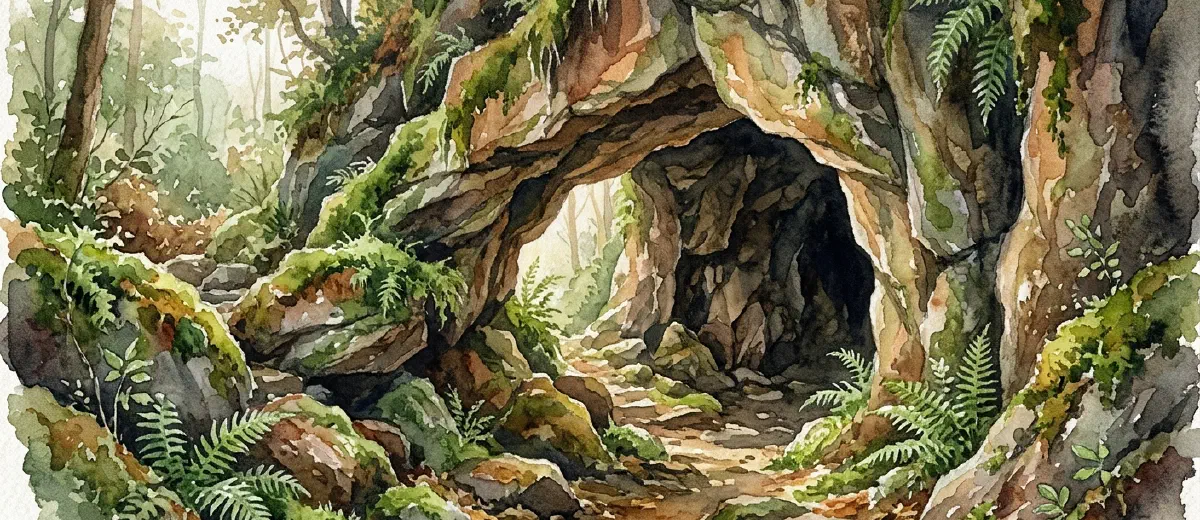
Someone is sitting in a rental cabin two hours from your cave. They open Google, type “cave tours near me,” and three businesses appear in the map pack. You’re not one of them. They book the tour that showed up. That happens dozens of times every week during the season, and most cave operators have no idea how much business that map pack is deciding.
Local SEO for cave and cavern tours is a winnable game. There aren’t thousands of competitors. In most markets, there are a handful of caves open to visitors, and maybe two or three are optimized at all. Getting your Google Business Profile right, building the right content, and managing your reviews consistently puts you in front of the map pack more often than not. Here’s how to do it.
Get your google business profile set up properly
Your Google Business Profile is the foundation. It is what Google reads when deciding whether to show you for “cave tours near me,” “cavern tours [city],” or any other local search. An incomplete profile is the most common reason cave operators don’t appear in the map pack despite being the best option in the area.
Start by claiming your listing if you haven’t already. Search your business name on Google Maps. If a listing exists that you didn’t create, Google built it from directory data. Claim it before a competitor or a bot does. If nothing comes up, go to business.google.com and create a new one.
For category, look for “Tour operator” and add “Geological feature” or “Sightseeing tour agency” as secondary categories. The category field is one of the strongest ranking signals in GBP, so spend time finding the most specific match Google offers. “Tourist attraction” also applies for caves that have a physical visitor center.
Fill out every field. Business description should mention what type of cave, where it is, what visitors experience, and how long tours run. “Guided walking tours through a natural limestone cave system, located in [region], tours running 45 minutes and 90 minutes” tells Google exactly what you are and who should see you. You have 750 characters. Use most of them.
Set your hours carefully. Seasonal operations should reflect actual seasonal hours. A cave that runs tours May through October should not show “Hours may vary” for seven months. Set the range, update when you extend it, and set off-season hours that reflect reality. Google weighs currently-open businesses more heavily in map pack results, so inaccurate hours hurt your ranking and frustrate potential visitors.
Add a direct booking link if you use online reservations. On mobile, the difference between a “Book” button and making someone navigate your whole website is the difference between a conversion and an abandoned search.
Reviews drive map pack position more than most operators realize
Cave and cavern tours tend to generate emotionally strong reviews. People are often visiting with kids or experiencing something new to them. That’s an advantage. The visitor who just came out of your cave, blinking in the daylight, impressed by the formations, is primed to leave a five-star review. You just need to ask.
Send a follow-up text or email the day after the tour with a direct link to your Google review page. That’s the simplest version. Some operators print a QR code card that guides hand out at the end. Whatever method your operation can actually sustain, make it consistent. One ask per customer. Make it easy. Most people who had a good time will do it if you remove the friction.
Volume matters. A cave with 300 reviews ranking 4.6 will almost always outrank a cave with 22 reviews ranking 4.9. Recency also matters; Google weighs recent reviews more heavily than old ones. A seasonal operation that gets 80 reviews during summer but goes quiet all winter looks stale by spring. Build in a process during the peak season so reviews come in steadily.
Respond to every review. Thank the positive ones with something specific to their experience. For negative reviews, stay calm and address the concern directly. Google treats review response activity as a signal that the business is engaged and operating. You don’t need long responses, two sentences is enough.
Build local content that tells google where you are and what you do
Your website reinforces the signals your GBP sends. Google cross-references what’s in your profile against what’s on your site. A cave operator whose website has no location-specific content is leaving ranking signals unreinforced.
The most important page is your main cave tour page. It should include your full address, the name of the county and state, nearby landmarks or towns, and specific descriptions of what visitors see on the tour. Not “experience the wonder of a natural cave” but “explore the main cavern chamber, see 40-foot stalactite formations, and walk the half-mile lit trail.” Specificity is both good SEO and more useful to the searcher.
Build a page targeting the major town or metro area closest to you. If you’re a cave 25 miles outside of Chattanooga, a page titled “cave tours near Chattanooga” with content about the drive, what to expect, and how to book captures people researching from that city. That’s a different search with different intent than “cave tours near me” from someone already close. Location-specific content works the same way for caves as it does for rafting and fishing guides, and for the same reasons.
Consider a best-time-to-visit page for your cave. Caves stay a consistent 55-65 degrees year-round, which is a selling point in both summer and winter. That temperature fact is also something people search for. A page that answers “how cold is it inside a cave” or “what to wear on a cave tour” is capturing search intent that leads to bookings. Pages that answer real visitor questions before they arrive pull consistent organic traffic.
Nap consistency across every directory
NAP stands for name, address, phone number. It needs to be identical everywhere it appears. Your GBP, your website, TripAdvisor, Yelp, your state tourism board directory, your county parks or recreation listing, wherever your business appears online. If your cave is listed as “Limestone Cave Tours LLC” on your GBP but “Limestone Cave Tours” on TripAdvisor and “Limestone Cave & Tours” on Yelp, Google treats those as uncertainty about whether they’re the same business. That uncertainty hurts your local ranking.
Do a manual check of your main listings. Search your business name on Google and look at what comes up. Check for old listings, wrong addresses, discontinued phone numbers, or listings for locations you no longer use. Cleaning this up is tedious but it’s a one-time job for the most part.
State and regional tourism directories often carry more ranking weight than generic business directories for cave operators. Get listed with your state’s tourism office, any regional visitor bureau that covers your area, and any cave or geological society directories your business qualifies for. Those are citations that Google trusts more than a generic directory.
Photos set your listing apart from every other cave in the map pack
Photos are the first thing a potential visitor looks at after seeing your star rating. For a cave, this is where you can completely outclass the competition. Most cave operators have three photos from 2017 and a blurry shot of a stalagmite. That is the bar.
Get at least 20 photos on your GBP: the cave entrance, lit formations from multiple parts of the tour route, groups of visitors on the walkways, the exterior of your visitor center or parking area, and the kinds of formations that make your cave specific. People are trying to decide whether your cave is worth the drive. Photos make that decision for them.
Add new photos monthly during the season. A guide or front-desk staff can make this a habit; one photo per week is 50 new photos a season. Google notices profile freshness and rewards it. It also gives visitors who check your profile over multiple visits new content to look at.
Use real photos from actual tours. Stock photos of caves are identifiable and unconvincing. The tourist who drove two hours wants to see what they’re actually going to walk through, not a generic cave image.
How google maps ranking works for a physical attraction like yours
Cave tours sit at the intersection of local SEO and tourist attraction SEO in a way most outdoor businesses don’t. People search from home while planning a road trip, and they search on the road when they’re nearby. Both matter.
For the “planning from home” searcher, your website content carries more weight. That person is comparing caves, looking at photos, reading reviews, and checking tour times. A well-built Google Business Profile with strong photos and consistent reviews closes the gap between browsing and booking.
For the “searching from nearby” query, your map pack position is almost everything. That searcher is already in the area, already decided they want to do a cave tour, and is looking for who to call. Distance is a factor Google can’t control, but relevance and prominence are factors you can build over time through the steps above.
The good news for cave operators is that your competition is limited. Most markets have fewer than five serious competitors for any given “cave tours near [city]” query. Unlike outfitter categories with dozens of competitors in a single river corridor, cave operators often face two or three rivals at most. A Google Business Profile that’s complete, a website with actual location content, and a review count that reflects your real volume of happy visitors is usually enough to compete.
What to prioritize if you’re starting from scratch
If your profile is unclaimed or incomplete, that’s the first week. Claim it, fill it out, get your categories right, add ten photos, and make sure your hours are accurate.
Week two: run a NAP audit. Find your five most important listings and make sure the name, address, and phone number match your GBP exactly.
After that, build the review collection habit. Pick one method, whether that’s a post-trip email, a text, or a QR code card, and use it consistently. Getting from zero to 50 reviews takes one season if you ask every customer. Getting to 200 takes two.
Then write the location content. One page targeting your nearest major city. One best-time-to-visit page. One page answering the common questions people ask about cave tours: temperature, what to wear, mobility requirements, how long the tour is.
That’s six months of work at a steady pace. By the following season, your ranking looks different.