Instagram for outfitters: what to post when you're not running trips
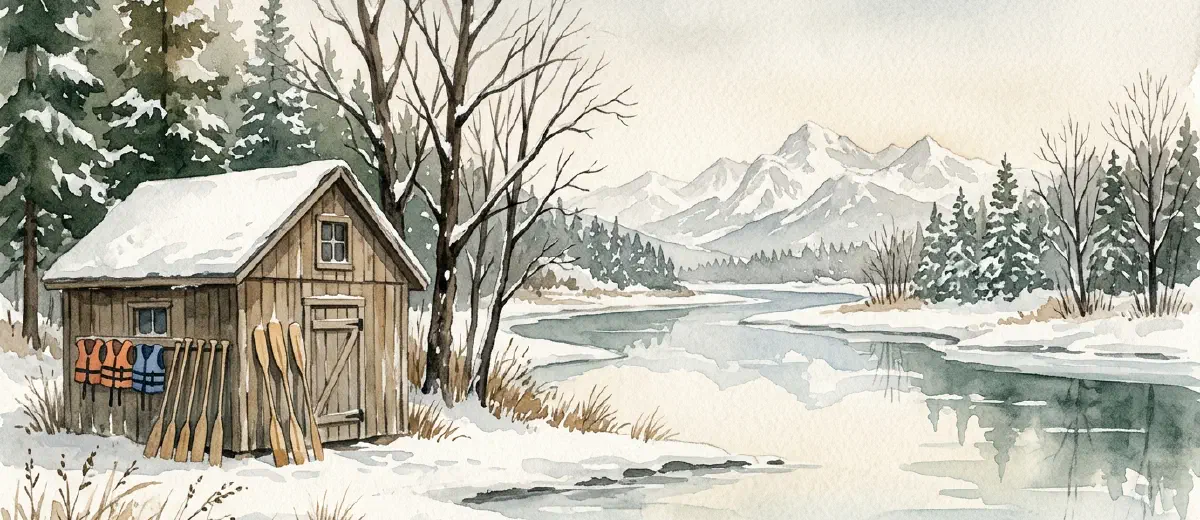
October hits, the last trip wraps, and your Instagram goes quiet. Maybe you post a “thanks for a great season” carousel and then disappear until April. By the time you start posting again, the algorithm has forgotten you exist and your engagement is starting from scratch.
The off-season doesn’t mean your Instagram account has to go dark. You don’t need to post every day. But going silent for five months and then expecting your audience to care when you come back is a losing strategy. Running Instagram for an off-season outdoor business takes a different mindset, but the outfitters who keep posting through winter have a warmer audience ready to book when the season opens.
You don’t need active trips to have something worth posting. You just need to think about it differently.
Last season’s photos are still gold
You took hundreds of photos this season. Maybe thousands. Most of them never made it to Instagram because you were too busy running trips to post them. That backlog is your off-season content library.
Sort through and pull out the best 30-40 shots. Not just the hero shots, though those work too. The candid moments. A guide rigging a boat at dawn. A kid’s face after their first rapid. The light on the water at the take-out at 6 PM. These are the posts that get saved and shared because they feel real, not like marketing.
Space them out. Two or three posts a week through the off-season is plenty. Caption them with the story behind the photo, not just “What a day! #rafting.” Where were you, what happened, what made that trip memorable? People connect with specifics.
And if your guests took great photos, ask permission to repost them. User-generated content consistently outperforms brand-created content on engagement because it feels authentic. A guest’s shaky GoPro shot of their first Class III rapid is more relatable than your professionally composed hero image.
Show the work nobody sees
Your off-season isn’t really an off-season. You’re repairing gear, servicing vehicles, scouting new routes, getting certifications, building out next year’s trip lineup. Most of your followers have no idea how much goes into making their trip happen. Show them.
A reel of your guide team re-flooring a trailer. A photo of 40 PFDs laid out for inspection. Your shuttle van getting new tires. A before-and-after of a raft patch job. This stuff performs surprisingly well because it’s a window into a world your audience doesn’t normally get to see.
It also builds trust. When someone sees the work you put into maintaining equipment and training staff, they feel better about booking with you. They know you take it seriously.
A few specific ideas:
- Gear inventory day. Lay everything out, shoot it from above, caption it with what you’re replacing and what survived another season.
- Vehicle maintenance. Nobody thinks about the shuttle, but it’s part of the experience. Show it getting the attention it deserves.
- New equipment arrivals. Unboxing new boats, new helmets, new dry bags. People love seeing what’s new.
- Guide training and certifications. Your team getting swiftwater rescue recertified or learning a new river section. This is credibility on display.
Preview next season
By January or February, start building anticipation. This is where your Instagram feed transitions from looking back to looking forward, and it primes your audience to book.
Post your trip calendar as soon as it’s set. “2027 season dates are live. Here’s what we’re running.” Simple, direct, gives people a reason to visit your website.
Tease new offerings. If you’re adding a new trip, a new section of river, a multi-day option, or a sunset float, give it its own post. Don’t just drop it in your bio link and hope people notice.
Share area conditions as they develop. Snow levels, water forecasts, trail openings. Your followers who are planning a trip want this information, and it positions you as the local authority. “Canyon got 140% of normal snowpack this winter. June is going to be big.” That’s a post that gets shared.
Answer the questions people DM you
Look through your DMs and comments from last season. What did people ask before booking? What should I wear? Is it safe for kids? How cold is the water? Do I need to be in shape? Can I bring my dog?
Each of those is a post. A reel, a carousel, a simple photo with a detailed caption. Educational content like this does two things: it brings value to your followers right now, and it preemptively answers objections that stop people from booking.
A carousel post titled “What to wear on your first rafting trip” with five slides showing layering options by water temperature is useful content that people actually save. It’ll get saved, shared, and referenced. And the person who saves it is probably going to book a trip.
This kind of content also feeds your blog. The same Q&A that works as an Instagram carousel can become a blog post that ranks on Google. Double duty.
Keep it simple, keep it consistent
You don’t need to post daily in the off-season. Two to three times a week keeps you visible in the algorithm without burning through your content. Mix up the formats: a single photo one day, a reel the next, a carousel later in the week. Instagram rewards accounts that use multiple formats.
Don’t overthink production quality. A phone photo with a real story in the caption will outperform a polished graphic with a generic quote every time. Your audience follows you because they want to see your rivers, your mountains, your trips. Not stock photos with text overlays.
The off-season is when you build the foundation for everything, your website, your SEO, and your social media presence. When booking season opens, you want an audience that’s already engaged, already familiar with your trips, and already thinking about when to come. An Instagram account that went dark in October can’t give you that. One that posted through winter can.