How to host an influencer FAM trip without wasting money
A FAM trip - short for familiarization trip - can generate more authentic content than six months of paid ads. It can also burn through $3,000 in free lodging, meals, and guide time while producing a single blurry Instagram story that disappears in 24 hours. The difference usually comes down to preparation, not luck.
Most small outfitters either skip influencer FAM trips entirely or approach them without a plan. Both are money left on the table. The operators who get real value from hosted influencer visits treat them like any other business arrangement: clear expectations, written agreements, measurable outcomes.
Here’s how to do it without wasting the money.
Decide what you actually want before you invite anyone
The biggest mistake outfitters make is reaching out to influencers before defining what success looks like.
Do you want Instagram Reels that drive brand awareness in a specific city? Do you want blog content that ranks for “[your activity] in [your region]” searches? Do you want evergreen YouTube footage you can license for your own marketing? These goals lead to completely different influencer profiles.
A 60K-follower Instagram creator who posts polished trip highlight reels is a poor choice if you need a 2,000-word SEO article. A blogger with 8,000 monthly readers who ranks for “best whitewater in Colorado” may drive more direct bookings than someone with ten times the social following.
Write down your goal before you search. Awareness, social following, website traffic, or direct bookings - pick the one that matters most right now. That answer dictates everything else.
Vet for audience fit, not follower count
Follower count is the least useful metric when you’re choosing who to host.
A river outfitter in Montana hosted a travel creator with 80,000 followers on a two-day float - flights, lodging, meals, the full experience. The content was beautiful. It reached a lot of people in dense urban markets who had no intent to book a multi-day river trip. Meanwhile, a smaller creator with 18,000 followers and an audience of Pacific Northwest adventure seekers would have produced half the content and twice the bookings.
The math that matters is engagement rate, not reach. A creator with 25,000 followers at a 5% engagement rate generates 1,250 genuinely engaged views per post. A 200,000-follower account at 0.6% generates 1,200. Same engaged audience. Wildly different rates.
The benchmark to use: anyone below 3% engagement on Instagram or TikTok isn’t performing well enough to justify the cost of hosting, regardless of their following.
Three more things to check before you reach out. Does their audience actually take outdoor trips, or do they consume outdoor content from their couch? Where are their followers located? A Utah-based creator with a Utah audience is worth more to a Moab outfitter than a New York creator with the same follower count. And have they produced content for comparable operators before - not just travel brands, but actual guided trips and outdoor experiences? Ask for examples before you commit.
Tools like finding and vetting micro-influencers can help you go deeper on the research side before you commit to anything.
Put everything in writing before the trip
You don’t need a lawyer to write an influencer agreement. You do need a document both sides sign before anyone boards a plane.
At minimum, your agreement should cover four things.
What you’re providing: the specific experience being comped (two nights lodging, one full-day guided float, meals during the trip). Be specific. Don’t write “hospitality” - write the dollar value of what you’re offering.
What they’re delivering: exact content types, quantities, platforms, and deadlines. “Two Instagram Reels featuring the branded hashtag and tag, posted within 14 days of the trip” is enforceable. “Some social posts” is not.
Usage rights: who owns the content, and whether you can repurpose it for your own channels. Many creators retain ownership but grant brands a license to repost and run as paid ads. That license is often more valuable than the organic posts themselves - negotiate it explicitly, because most outfitters forget to. If you need a primer on what’s legal here, content rights and permissions for guest photos and videos covers the key distinctions.
Posting timeline: content published six months after the trip is worth a fraction of what it’s worth published fresh. Build a deadline into the contract. Two to four weeks post-trip is standard and completely reasonable to ask for.
An agreement like this doesn’t have to be adversarial. Most working creators appreciate clear expectations because it protects them too. The influencer marketing guide for outdoor recreation businesses covers contract structure in more depth if you want a full framework.
Design the trip around content, not activities
This is where most FAM trip hosts leave value behind. They design a great guest experience and forget that the person they’re hosting isn’t primarily there to have a great time - they’re there to produce content.
Those two things can coexist, but they require different logistics.
Schedule unstructured time. A creator who’s rushing from activity to activity with no space to film, write captions, or record b-roll will produce mediocre content. Build in two to three hours of unscheduled time each day. This isn’t wasted time - it’s when the best organic content gets made.
Assign someone to handle photos. When an influencer is running a rapid, they can’t photograph themselves. Have a guide or a staff member with a decent camera documenting the experience from outside the action. This gives creators footage they couldn’t capture themselves, which increases the likelihood of high-quality posts.
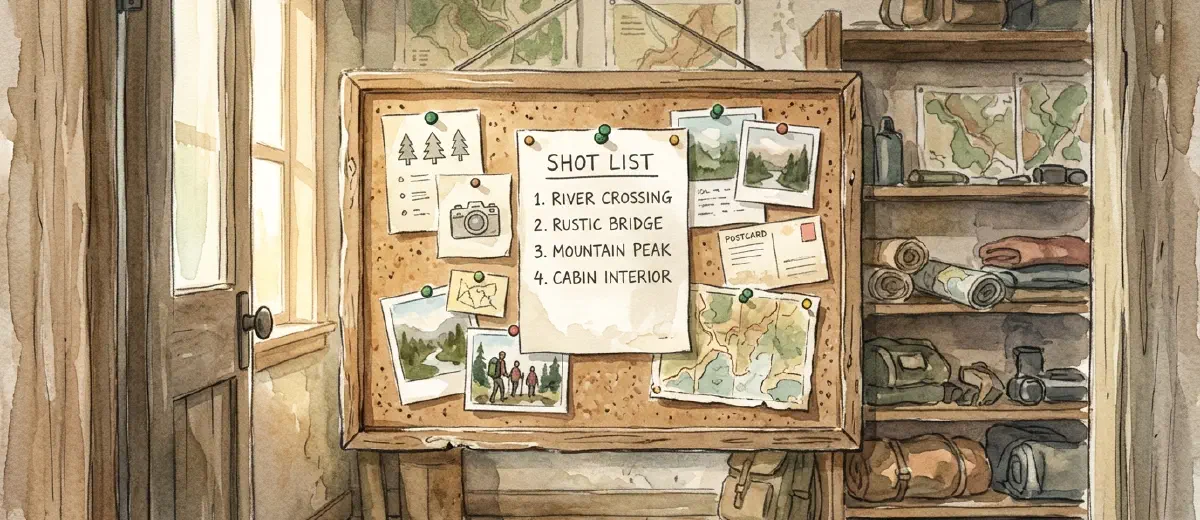
Have a shot list. You don’t need to script the content, but you can share a few moments or angles you’d love captured - the launch point at dawn, the gear laid out before the trip, the group at a specific vista. Good creators will incorporate suggestions naturally.
Provide the logistics they need: hashtags, your Instagram handle, UTM tracking links for their bio or stories. The easier you make it to credit you, the more often they will.
Set a realistic budget before you start
An influencer FAM trip costs something even when you’re not writing a check.
For most small outfitters, the cost is in-kind: a comped trip at your retail price. A full-day guided float for two might have a retail value of $350. Two nights at a partner lodge could add another $300. Meals and transportation add up. By the time you’re done, you’ve delivered $800–$1,200 in value to an influencer.
That’s fine - if the content is worth more. At micro-influencer rates of $150–$500 per sponsored post, three solid posts plus usage rights on the content could represent $600–$1,500 in market value. The math only works if you’re intentional about what you’re getting in return.
Where outfitters waste money: hosting influencers who are too expensive to reach their niche audience (the 200K travel lifestyle creator who needs flights and luxury accommodation), hosting without contracts and receiving no content, and hosting creators whose audiences have no buying intent.
Where the math actually works: a local or regional micro-influencer with 10K–50K highly engaged outdoor-interested followers, who you host for a single overnight or day trip in exchange for two or three pieces of content with usage rights. Low cost to you, high relevance to them, clear deliverables.
Track what the trip actually generated
A FAM trip you can’t measure is a marketing expense you can’t justify - or improve.
Before the trip, set up UTM tracking links for anything you want to monitor: a booking page link you give the influencer for their bio, a specific landing page built for the campaign. Google Analytics 4 is free and can track exactly which sessions and conversions came from influencer traffic. This takes about 20 minutes to set up and is the difference between “I think it worked” and “that trip drove 14 booking inquiries.”
Track at minimum: website sessions from influencer traffic during and after the campaign window, bookings or inquiries through the campaign link, content views and saves on their posts (ask the creator to share their analytics), and your own follower growth on the days posts went live.
You don’t need a sophisticated attribution model. A simple spreadsheet comparing your baseline booking rate to the week after posts went live will tell you most of what you need to know.
After the trip, follow up with the creator. Ask for their post analytics at the 30-day mark. Good creators will share this without hesitation, and it gives you the data to decide whether to invite them back or find someone else.
Who to approach and where to find them
Most small outfitters don’t know where to start. The answer is usually closer than they think.
Your own guests are your best source. Someone who’s booked with you three times, posts outdoor content, and has 12,000 engaged followers in your target market is a more valuable partner than a stranger with 100,000 followers. They already love what you do. That authenticity shows in the content.
Beyond your existing guests, search the hashtags people use when posting from your region. If you run a fly fishing operation in Montana, search #montanafishing and #flyfish on Instagram. You’ll find creators already producing relevant content. Look at their engagement rate, their audience, and whether they’ve worked with outfitters before.
Don’t overlook bloggers and YouTubers. Instagram reach is immediate but disappears fast. A well-written blog post or YouTube video reviewing your operation can generate search traffic for years. The travel influencer marketing guide covers how to evaluate long-form creators specifically.
Start with one or two relationships, not five. A single well-executed FAM trip with the right creator is worth more than three mediocre ones.
A FAM trip done right is one of the few marketing investments that generates multiple returns: organic content, search-friendly blog posts, licensed imagery for your own channels, and direct bookings. The outfitters who’ve figured this out aren’t spending more - they’re being specific about who they invite and what they ask for. Start there.