How horseback riding outfitters can get found online
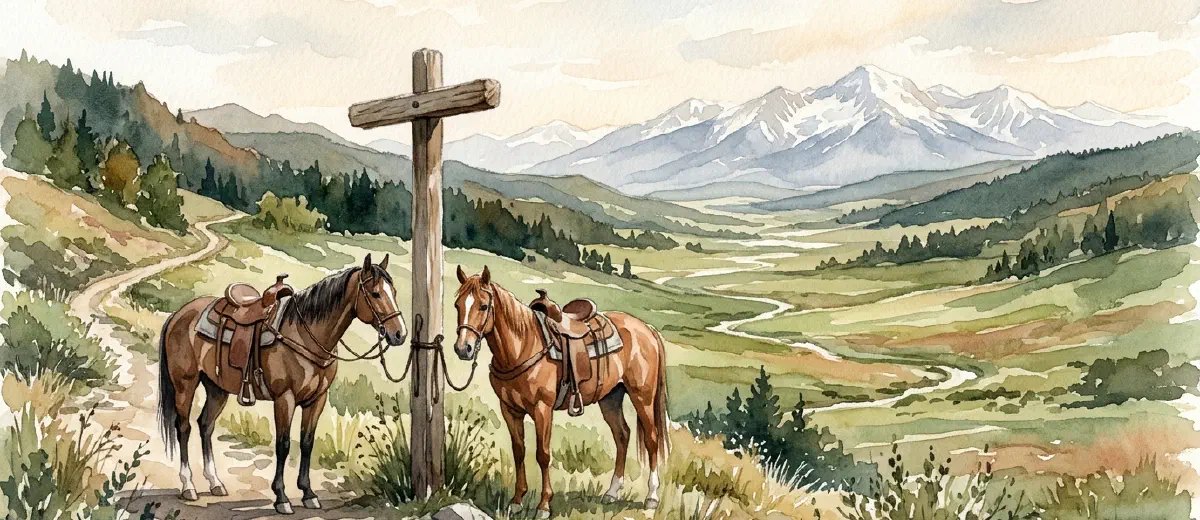
A family visiting Gatlinburg searches “horseback riding Smoky Mountains” from their cabin. A couple planning a Scottsdale trip Googles “desert horseback tour near me.” A bride in Bozeman looks up “horseback riding wedding party Montana.”
These searches happen every day. And most horseback riding outfitters aren’t showing up for them. The trail ride industry has been slower to invest in online marketing than rafting or fishing, which means the opportunity is wide open. Horseback riding outfitter SEO doesn’t require anything complicated. It requires doing the basics well in a space where most of your competitors haven’t started.
The searches your customers are actually making
Horseback riding searches are local, seasonal, and specific. Understanding the patterns tells you exactly what pages to build on your site.
The core searches are location-based. “Horseback riding [town or region]” and “trail rides near me” are the highest-volume queries. “Horseback riding Smoky Mountains,” “trail rides Sedona,” “horseback riding near Yellowstone.” These are the searches that drive booking decisions. Your site needs a page optimized for each geographic area you serve.
Below that, searches get specific by ride type. “One-hour trail ride [location]” is your casual tourist. “Half-day horseback ride [area]” is someone looking for a bigger experience. “Overnight horseback camping trip” targets a completely different customer with a higher budget. Each ride type deserves its own page because each attracts a different search query and a different buyer.
Then there are the planning searches. “What to wear horseback riding in summer,” “horseback riding for beginners what to expect,” “how much does a trail ride cost.” These are people earlier in their decision-making process. They’re not ready to book yet, but if your site answers their question, you’re the outfitter they remember when they are.
Build a keyword list organized by your location and activities. If you operate out of a ranch near West Yellowstone, your list should include West Yellowstone, Yellowstone National Park, Big Sky, and the Gallatin Valley. Each location cluster gets its own content.
One page per ride, not one page for everything
The most common website mistake for horseback outfitters is cramming every ride option onto a single page. A one-hour walk through the meadow and a three-day backcountry pack trip are different products for different customers searching different keywords.
Give each ride type its own page. For a Montana dude ranch, that might look like:
A one-hour scenic trail ride page targeting “short trail ride near Yellowstone” and families with young kids or limited time. Include the trail name, what they’ll see, difficulty level, minimum age, and pricing.
A half-day mountain ride page targeting “half-day horseback ride Montana” and visitors who want a real riding experience. Describe the terrain, the elevation gain, what lunch looks like if it’s included, and what skill level is needed.
An overnight pack trip page targeting “horseback camping trip Montana” and experienced riders planning a trip months out. This page should be detailed: packing lists, camp logistics, what meals are provided, how many miles you cover each day.
Each page is a dedicated landing spot for a different search query. Each one can rank independently. And each one lets you write about the trip specifically rather than generically. Include the trail names, the landmarks riders will pass, the wildlife they might see. A page that mentions “riding along the Gallatin River with views of Lone Mountain” is more useful to Google and more convincing to a customer than “scenic mountain trails.”
Content that builds trust before the booking
People have questions about horseback riding that they’re embarrassed to ask on the phone. They Google them instead.
“Do I need experience to go on a trail ride?” Write a page answering that. Most of your customers are beginners, and they need reassurance that they won’t be put on a horse and expected to know what they’re doing. Explain your safety briefing, how you match riders to horses, and what the guide does during the ride.
“What should I wear horseback riding?” Write that page. Jeans, closed-toe boots, layers depending on altitude and season. It’s simple advice, but it gets searched constantly, and the outfitter who answers it earns a click and a bookmark.
Seasonal content works well for horseback operations. “Fall trail rides in the Smokies” or “Riding in the Arizona desert in winter” captures traffic from trip planners timing their visits. If your season changes how the ride feels (different wildflowers in June versus golden aspens in September), write about that. It’s the kind of specific, experience-based content that Google’s helpful content guidelines reward.
Group and event content is another gap most outfitters leave open. “Horseback riding for corporate groups in Colorado,” “wedding party trail rides near Bozeman,” “birthday party horseback riding [your area].” These are real searches with booking intent and almost no competition. A dedicated page for each group type, with photos from past events and pricing, can rank with almost no effort because nobody else has written one.
Your Google Business Profile does the heavy lifting
When someone searches “trail rides near me” from their phone, Google shows the map pack first. Your Google Business Profile determines whether you appear in those results.
The essentials: accurate business name, address, and phone number. Correct hours, including seasonal hours if you close in winter or operate weekends-only in shoulder season. The right primary category. “Horseback riding service” is usually the best fit.
Photos are critical for horseback outfitters. Riders on the trail, the horses in the corral, the views from the ridgeline, your ranch and staging area. Real photos from real rides. Google weighs photo quantity and quality in local rankings, and customers weighing two similar outfitters will choose the one with photos that make them feel something.
Collect reviews consistently. A profile with 150 reviews mentioning specific trail names, guide names, and ride types is a local SEO asset that paid ads can’t replicate. Ask at the end of every ride, when guests are smiling and the experience is fresh.
Horseback outfitters have an unfair content advantage
You operate in some of the most beautiful places in the country. Your product is inherently visual and emotional. The photos you take on a Tuesday afternoon trail ride are better content than most businesses could produce with a professional shoot.
The gap isn’t talent or material. It’s that most horseback outfitters haven’t put the basics in place: a page for each ride, a page for each location, answers to the common questions, and a Google Business Profile that’s actually filled out.
Do those things and you’ll rank for searches your competitors don’t even know exist. The family in Gatlinburg, the couple in Scottsdale, the bride in Bozeman. They’re all searching right now. The question is whether they find you or the outfitter down the road who got their website in order first.