What does NAP stand for in SEO?
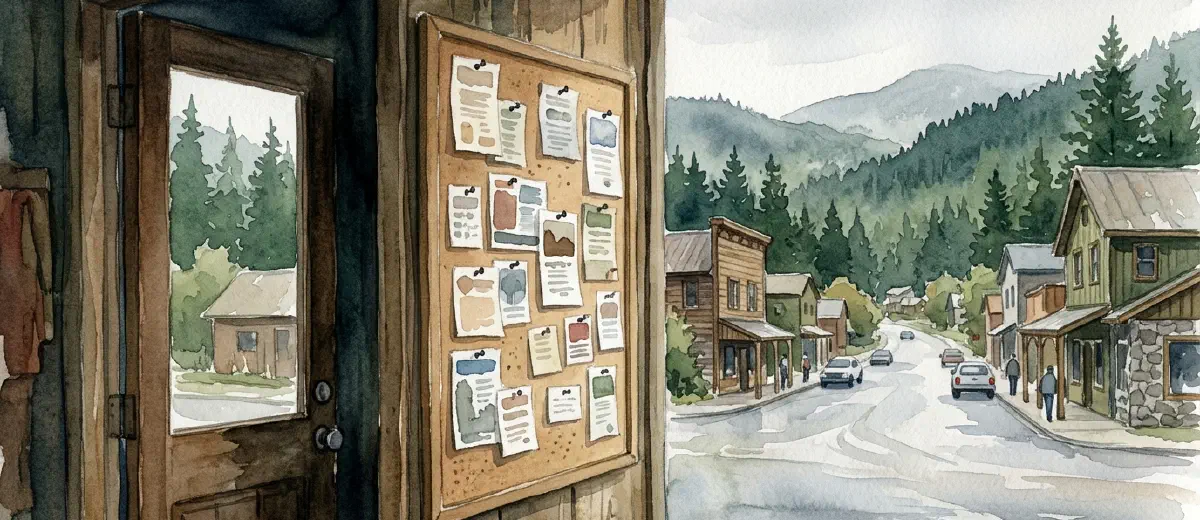
NAP means name, address, phone number
NAP stands for Name, Address, and Phone number. That’s it. Three pieces of information that seem too obvious to matter.
They matter a lot.
Every time your business appears online, whether on Google, Yelp, TripAdvisor, or a local chamber of commerce directory, the name, street address, and phone number attached to that listing either match what Google already knows about you or they don’t. When they match, Google gains confidence that your business is real, located where it says, and worth showing to searchers. When they don’t match, Google hedges. You slip in the rankings, and potential customers see conflicting info that makes them pick someone else.
For outdoor recreation operators, NAP problems are surprisingly common. You moved your office two years ago but never updated Yelp. Your booking platform lists a slightly different business name. Your old phone number still shows up on a directory you forgot existed. Each mismatch chips away at your local search visibility.
Why NAP consistency affects your local rankings
Google’s local algorithm relies on three pillars: proximity, relevance, and prominence. NAP consistency feeds directly into prominence. When Google crawls dozens of directories and finds your business name, address, and phone number matching everywhere, it treats that consistency as a trust signal.
The data backs this up. Businesses with 95% or higher NAP consistency across their top 50 citations ranked an average of 3.2 positions higher in local pack results compared to those hovering around 85% consistency. That gap can mean the difference between showing up in the map pack when someone searches “kayak tours near me” and being invisible.
Citations, the industry term for mentions of your NAP on other websites, still rank among the top five local ranking factors according to BrightLocal’s annual survey. And in the 2026 edition of that survey, citation signals ranked third for AI search visibility at 13%, a newer category that matters more each year as travelers use ChatGPT and Google AI Overviews to plan trips.
Here’s where it gets practical. A rafting company operating from three different river put-ins needs each location’s NAP to be consistent across Google Business Profile, TripAdvisor, FareHarbor, and every directory where those locations appear. If your Salmon River launch site shows “123 River Rd” on Google but “123 River Road, Suite B” on Yelp, that’s a mismatch. Google notices.
Where your NAP lives (and where it breaks)
Your NAP exists in more places than you think. The obvious ones: your website footer, your Google Business Profile, your Facebook page. But it also lives on platforms you may have signed up for years ago and forgotten.
Common spots where outdoor businesses have NAP listings:
- Google Business Profile (the single most important one to get right)
- Yelp, TripAdvisor, AllTrails, Hipcamp, The Dyrt
- Your booking platform profile on FareHarbor, Peek, or Rezgo
- State tourism board directories
- Local chamber of commerce listings
- Yellow Pages and data aggregator sites like Infogroup, Neustar Localeze, and Foursquare
The breakage usually happens after a change. You switch from a personal cell to a business line. You move from a home office to a storefront. You rebrand from “Joe’s Kayak Trips” to “Riverstone Paddle Co.” The new info goes on your website and Google Business Profile, but the old info lingers everywhere else.
93% of consumers report feeling frustrated by incorrect directory information, and 80% say they lose trust in a business when contact details don’t match across platforms. For a guide service where trust is the product, that’s a direct hit to bookings.
How to audit your NAP in 15 minutes
You don’t need to hire anyone for this. A basic NAP audit takes about 15 minutes and costs nothing.
Start with Google. Search your exact business name in quotes. Look at every result on the first two pages. Open each listing and compare the name, address, and phone number against what’s on your website. Write down every mismatch.
Next, use a free tool. Moz offers a free listing score checker where you enter your business name and zip code and get an instant consistency grade. BrightLocal’s Citation Tracker has a 14-day free trial with no credit card required and scans over 1,000 directories for mismatches. NAP Hunter is a free Chrome extension that helps you find NAP variations across the web.
Once you have your list of mismatches, fix them in order of importance. Google Business Profile first, always. Then your booking platform. Then TripAdvisor and Yelp. Then everything else. Most directory updates take 24 to 72 hours to go live, and some aggregator sites can take weeks to propagate changes. Be patient, but be thorough.
If you have multiple locations or launch points, audit each one separately. A fishing guide who operates on Lake Erie and Lake Ontario has two distinct NAP profiles to maintain.
NAP for businesses without a physical storefront
Many outdoor operators don’t have a walk-in shop. You run trips from your truck, your garage is your gear room, and your “office” is wherever you get cell service.
Google Business Profile allows service-area businesses to hide their street address while still maintaining a listing. You set a service area instead. Your NAP in this case is your business name, your service area, and your phone number. The address still exists in your GBP backend for verification purposes, but it won’t show publicly.
The catch: other directories may still display your home address if that’s what you used when you signed up. Go through your citation audit and request removal of your physical address on any platform where it shows publicly but shouldn’t. We’ve worked with guides who had their home address plastered across 30+ directories and didn’t know it until a client showed up at their house.
NAP and the rise of AI search
Most outfitters aren’t thinking about this yet, which is exactly why it’s worth your attention. AI search tools like ChatGPT, Perplexity, and Google’s AI Overviews pull business information from the same directories and listings that traditional search uses. When those tools recommend a guide service, they’re assembling NAP data from multiple sources.
Businesses with consistent NAP information across platforms see up to 73% higher visibility in AI-generated search results compared to those with discrepancies. We’ve seen this pattern repeatedly with operators who clean up their citations and suddenly start appearing in AI trip-planning recommendations.
Voice search adds another layer. With roughly half of US households now using smart speakers, queries like “find a fishing guide near Bozeman” pull from local listings where NAP accuracy determines whether your business gets mentioned or skipped. About 80% of voice search results come from the top three organic positions, and consistent NAP is part of what gets you there.
One thing to do this week
Pick up your phone and Google your business name in quotes. Compare what shows up against your actual current name, address, and phone number. If anything is wrong on even one listing, you’ve found the starting point for a full citation cleanup that could meaningfully move your local rankings.
Three pieces of information. Every platform. No mismatches. That’s what NAP consistency means, and for a local outdoor business, it’s one of the cheapest ranking improvements you can make.


