Couples and anniversary trip marketing for outdoor businesses
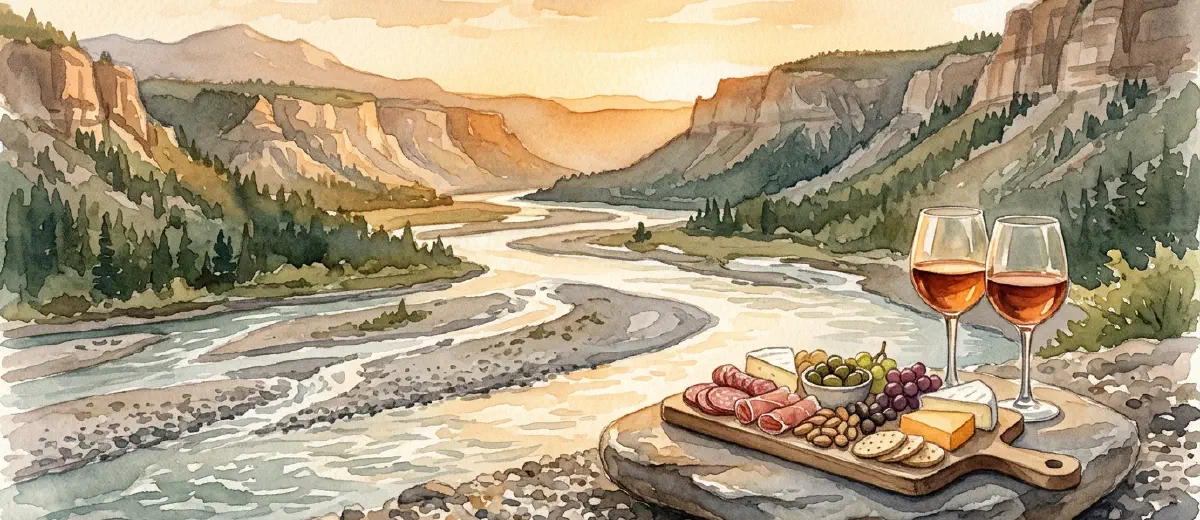
Couples book outdoor trips differently than everyone else on your list. They’re not searching for your best price or your group discount - they’re searching for a reason to say yes to each other. Get that right, and you’re not just filling a seat on the raft. You’re charging a premium, getting a five-star review, and likely seeing them again next anniversary.
Anniversary trip marketing for outdoor businesses is an underused segment. Most outfitters either ignore it entirely or tack a generic “great for couples” line onto their trip pages and call it done. That gap is worth real money.
Why couples are worth targeting specifically
Couples account for 42% of adventure tourism revenue, making them the single largest booking segment in outdoor recreation. The global anniversary travel market hit $42.7 billion in 2024 and is growing at 8.3% annually - this isn’t a niche, it’s the mainstream.
What makes couples different from family groups or solo adventurers isn’t just their spending. It’s their decision-making. They’re buying an experience they’ll both remember. That emotional weight gives you more room to offer add-ons, charge for privacy, and create loyalty. Guests who book online spend an average of $76 versus $42 at the door - and couples researching anniversary trips almost always start online, weeks or months in advance.
More than 90% of couples say they maintain or increase their travel budget year over year. They’re not price-shoppers. They’re looking for the right trip, not the cheapest one.
Build a couples landing page that does the work
If your website doesn’t have a dedicated couples or anniversary page, you’re invisible to a lot of search traffic. “Romantic getaways [your location],” “anniversary trip [activity] [city],” and “couples [outdoor activity] near me” are real queries with real volume. Without a dedicated page, you can’t rank for them.
The page doesn’t need to be elaborate. It needs to clearly answer three questions: What does the experience feel like for two people? What’s different about booking as a couple - is there a private boat option, a quieter launch time, an add-on? Who is this for, in plain terms?
Under Canvas, the glamping chain near national parks, does this well. Their couples pages are distinct from their family pages - different photography, different language, different featured amenities. The result is that someone searching “romantic glamping Yellowstone” finds exactly what they’re looking for rather than a generic property page.
Your page title and H1 should use natural language your customers actually type. “Couples whitewater rafting in [city]” or “anniversary kayaking tours [location]” outperforms clever brand language every time. Use anchor text thinking: the page structure that converts should match what couples expect to find.
Time your marketing around when couples actually search
The anniversary trip market has distinct search peaks. Valentine’s Day (late January through February) is the biggest. Couples planning spring getaways start searching in January. Fall foliage season drives another wave in August and September. The shoulder seasons - April and October - are when many couples specifically want to avoid crowds.
Most outfitters publish nothing in January. That’s when couples are sitting on the couch planning the year’s travel. If your last blog post is from October, you’re absent from the conversation.
A simple content calendar move: publish a “best [activity] for couples in [region] in spring/fall” post in late January and again in August. These are low-competition, high-intent keywords. A Colorado rafting company that publishes “best rafting for couples in the Arkansas River Valley in fall” before anyone else owns that real estate for years.
Package and price the experience differently
Most outdoor businesses price per seat and leave money on the table. Couples want the option to pay for a different kind of experience - more private, more curated, more memorable. That doesn’t mean you need to redesign your operation. It means you offer a few specific things.
A private boat add-on on a half-day float trip at a $75–$150 premium is a genuine product for couples that many outfitters already have the capacity to deliver. A “morning launch only” option that avoids the crowds. A photo package where your guide gets shots of just the two of them. A post-trip charcuterie board or bottle of wine ready at the take-out. These aren’t elaborate - they’re thoughtful.
Backroads, the active travel company, offers couples-specific trip pages with curated multi-sport itineraries across its catalog. The product itself isn’t fundamentally different from their regular trips - the framing, photography, and selected options are. The price per person is typically 15–25% higher than their comparable group departures.
Pricing these add-ons well matters. Include them on your booking page, not just in an email after checkout. The further someone gets into the booking flow before being asked to add something, the less they buy. Add-ons presented during checkout consistently outperform post-confirmation upsells.
Use email to find the people who are about to celebrate
You already have past guests. Some of them will celebrate an anniversary this year. Some of them want to rebook.
The trick is finding them before they start searching. If your booking system captures trip dates and you send any kind of post-trip email, you have what you need. A simple automation: 11 months after their first trip, send a short note. “Last [month], you were on the river with us. If you’re planning something special this year - anniversary, birthday, milestone - reply and we’ll set something up.”
That’s not a mass blast. It’s a relevant message to people who already know and like you. Post-trip email sequences that are timed and personal convert at rates that generic newsletter sends can’t touch.
If you’re segmenting your email list, couples who’ve booked before are a distinct segment worth treating differently from first-timers. They already trust you. They need less convincing and more of a reason to act now.
Get your photography right for the couples audience
Couples evaluating a romantic trip make their decision partly on whether they can picture themselves there. This is obvious, but most outfitter photo libraries are full of group shots with helmets and life jackets and muddy feet. Those photos convert families and friend groups fine. They don’t sell the anniversary trip.
You don’t need a professional shoot. You need a few images of two people in your setting - on the water at golden hour, at a lookout point, post-float at the take-out with the canyon walls behind them. Images without visible faces work well here (and are easier to source from guest photos with permission).
Social proof from couples matters more on a couples page than on a general trip page. A quote from a guest who booked for their tenth anniversary does more work than five-star ratings. Pull those testimonials out of your review feed and put them front and center.
Think about the person doing the planning
For anniversary trips, one partner usually plans while the other receives the experience as a gift. The planner is under some pressure - they want it to be right.
Your marketing copy should speak to the planner, not just the experience. That means addressing uncertainty head-on: What if it rains? What’s the cancellation policy? Is this appropriate for someone who’s never done this before? A short “what to expect” section on your couples page removes friction for the person making a high-stakes purchasing decision.
Dinosaur River Expeditions in Colorado includes explicit language about anniversary and honeymoon bookings on their trip pages - including private boat options and what to tell them when booking so they can make it special. That kind of specificity converts the anxious planner into a confirmed booking.
One move to make this week
Pull up your website analytics and search for “couples” or “anniversary” in your site search logs. If you have any volume there and no dedicated page, you’re turning people away.
Build the page. Use the keywords your customers type. Add one or two specific couples-oriented options to your booking flow. Set a reminder to email last year’s trip guests in month eleven. These are small moves with compounding returns - the anniversary trip customer who has a great experience tells their friends, rebooks for future milestones, and often becomes the easiest referral source in your business.
The couples market isn’t asking for a different business. It’s asking for a reason to choose yours.


