Content strategy for rock climbing (outdoor guiding): what to write, when to publish, and what actually drives bookings
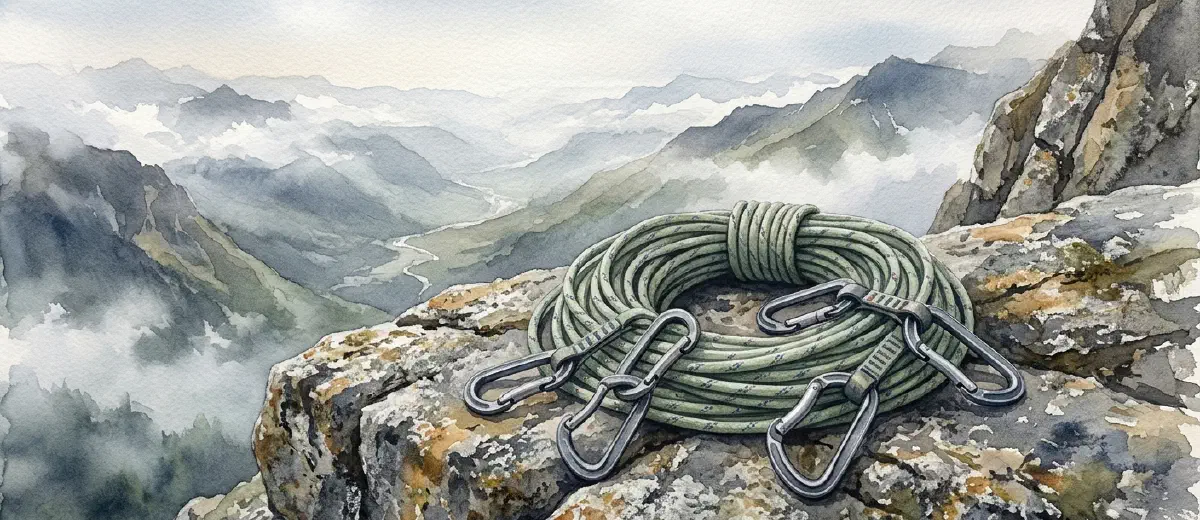
Running a rock climbing guide service means you spend most of your year either on the wall or getting ready to be on the wall. Content marketing tends to land somewhere between “I know I should” and “I’ll get to it when things slow down.” Then things slow down and you’re fixing gear, renewing permits, and updating your insurance. The blog stays empty.
The problem isn’t that you don’t have anything to say. You know more about your climbing areas than anyone reading your website. The problem is knowing what to write, when to write it, and which pieces of content actually move the needle on bookings versus just generating traffic that doesn’t convert.
This is a content strategy for outdoor rock climbing guide services. It accounts for permits, location-specific search behavior, and compressed seasons.
What your climbing clients actually search for
Your future clients are not searching “how to rock climb.” That person is headed to a gym. The person hiring an outdoor guide is further along. They’ve picked a destination, or at least narrowed it to a region, and they’re looking for someone who can take them up something specific.
The searches that matter for your business break into a few buckets. Destination queries like “guided rock climbing Joshua Tree” or “climbing guide Red Rocks.” Route-specific searches like “guided multi-pitch Smith Rock” or “Half Dome guided climb.” And planning queries like “how much does a guided rock climbing trip cost” or “do I need experience for a guided climb.”
Each bucket needs its own content. Destination queries get answered by your trip pages. Route-specific searches need detailed route guides or trip descriptions. And the planning queries are where your blog does its heaviest lifting, because those are the questions people ask before they’re ready to pick a guide. If you answer them well, you’re the guide they pick.
What your customers Google before they book walks through the full search journey in detail. For climbing guides specifically, the research phase tends to be longer than for most outdoor activities because the stakes feel higher. Someone booking a rafting trip might spend a week deciding. Someone booking a multi-pitch climb in Yosemite might spend months.
The content that drives bookings versus content that drives traffic
A blog post titled “Best rock climbing in Colorado” will get traffic. It might rank. But the person reading it is probably still daydreaming, not pulling out a credit card. A page titled “Guided beginner climbing course in Eldorado Canyon, 2 days” is far less sexy but far more likely to convert.
You need both kinds of content, but knowing which is which keeps you from spending your entire off-season writing posts that feel productive but never book a trip. Content that books trips vs. content that just gets clicks goes deeper on this, but the short version is: your trip pages and route-specific pages do the converting. Your blog builds the authority and traffic that makes those pages visible.
For a climbing guide service, the booking content is your trip pages. One page per area, one page per trip type within each area. If you guide in both Joshua Tree and Red Rocks, those are separate pages. If you run half-day intro climbs and multi-day trad courses in the same area, those are separate pages too.
The blog content that supports those pages includes gear guides (“what to wear rock climbing outdoors in October”), preparation posts (“how to train for your first multi-pitch climb”), area overviews (“climbing in the New River Gorge: seasons, routes, and what to expect”), and FAQ-style posts answering the questions you get asked over email every week.
What to write first
If you’re starting from zero, or close to it, the order matters. Publishing a bunch of blog posts before your trip pages are solid is like putting up billboards that point to an empty lot.
Start with your trip pages. One per climbing area, one per trip type. Include what the day looks like, what skill level you expect, what gear you provide versus what clients bring, your guide ratios, your pricing or at least a price range, and your permit credentials. These pages are the foundation. Everything else you write will eventually link back to them.
Next, write a “what to expect” post for your most popular trip. This is the single highest-value blog post for most guide services. Someone Googling “what to expect on a guided rock climbing trip” is close to booking. Walk them through the day from meeting point to the last rappel. Cover the parts that make people nervous: exposure, difficulty, physical demands, what happens if weather changes. Be specific.
Then pick three to five questions your clients ask before booking and write a short post for each one. “Do I need climbing shoes for a guided trip?” “What fitness level do I need?” “Is outdoor rock climbing safe for beginners?” These are real queries with real search volume, and they’re easy to write because you already know the answers.
When to publish and why timing matters more than you think
Google doesn’t rank pages instantly. A blog post you publish today won’t start showing up in search results for three to six months. That lag is the reason most climbing guide services get their content timing wrong.
If your peak booking months are April through September, the content targeting those months needs to go live between October and January. Publish a “spring climbing in Red Rocks” post in March and you’ve already missed the window. Your competitors who published that same topic in November are the ones ranking when the searches start climbing in February.
The seasonal content calendar lays out a full quarterly plan, but here’s the climbing-specific version.
Off-season (roughly October through January, depending on your area): this is your most productive content window. Write trip pages, blog posts about routes and conditions, gear guides for the coming season, and “best time to climb” content for each of your areas. Refresh anything you published last year with updated dates and conditions.
Shoulder season (February through March and again in September through October for most areas): publish conversion-focused content. Trip comparison pages, last-minute booking posts, shoulder-season specific conditions guides. This is also when you update your Google Business Profile with fresh photos from recent climbs.
Peak season (April through August for most, though this varies by area): keep publishing light. Short trip recaps with real photos, conditions updates, and quick social posts. You’re too busy guiding to write 1,500-word blog posts, and that’s fine. The work you did in the off-season is what’s driving your search traffic now.
The permit angle most guides overlook
Here’s something specific to outdoor climbing guides that most content strategies miss entirely. Your permits are a differentiator, and they’re content.
If you hold a concession permit in a national park or an outfitter license from the BLM or Forest Service, that’s worth writing about. Not in a braggy way, but in a practical one. A lot of potential clients don’t know the difference between a permitted guide service and someone running trips without authorization. Some don’t even know permits are required.
A blog post explaining how climbing permits work in your area ranks for informational queries your competitors probably aren’t targeting. It establishes your legitimacy without you having to say “we’re legitimate.” And it answers a question people actually think about when they’re comparing two guide services and one is suspiciously cheaper.
Put your permit numbers or agency authorizations on your trip pages too. It’s a trust signal that costs you nothing.
How to keep the content going without burning out
Two posts a month is enough. How often an outdoor business should publish covers this in more detail, but the short version is that consistency beats volume. A climbing guide who publishes two solid posts a month for a year will build more search authority than one who writes ten posts in January and nothing for the rest of the year.
Batch your writing during the off-season. Spend two or three days in November writing all your Q1 content. Schedule it to publish on a regular cadence. Then during peak season, your only content job is snapping photos on the wall and writing a quick trip recap once a week. That’s it.
Keep a running list of questions clients ask. Every email that starts with “I was wondering…” is a blog post. Same goes for whatever someone asks at the base of a climb before you start the approach. You will not run out of material. You just need a system for writing it down before you forget.
The goal isn’t to become a publisher. It’s to have enough useful, specific content on your site that Google sends you a steady stream of people who are already looking for exactly what you offer. For a climbing guide, that might be 20 to 30 well-written pages. Not hundreds. Just enough to cover your areas, your trip types, and the questions people ask before they book.