Content strategy for river cruise / paddlewheel: what to write, when to publish, and what actually drives bookings
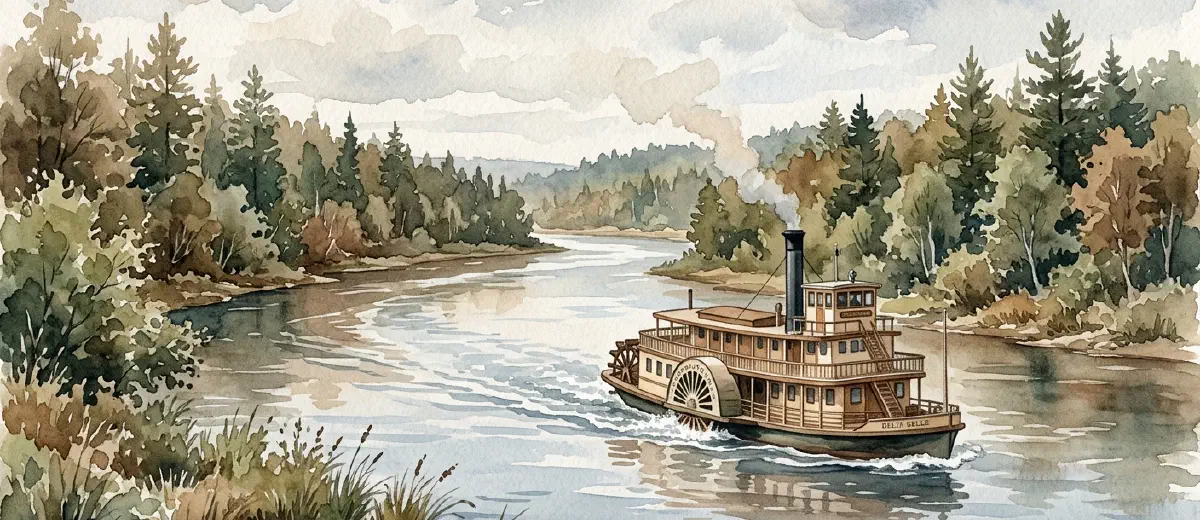
River cruise and paddlewheel operators have more content opportunities than almost any other niche in outdoor recreation. You have the Mississippi, the Columbia, the Tennessee, the Ohio. You have dinner cruises, sightseeing tours, fall foliage runs, private charters, holiday events. Every one of those is a search query someone is typing into Google right now, and if your website doesn’t have a page for it, a competitor or an OTA does.
Most paddlewheel businesses don’t have a shortage of things to write about. They publish without a plan. A Facebook post when they remember, a blog update during peak season, maybe a news blurb about a new menu item. None of it connects to what people are searching for or when they’re searching.
This is the content strategy that fixes that.
Start with what your passengers are already googling
Before you write anything, you need to know what potential customers search for. For river cruise and paddlewheel operators, those searches fall into a few predictable buckets.
Trip planning queries: “Mississippi River dinner cruise,” “paddlewheel boat tours near Nashville,” “best river cruises in the Pacific Northwest.” People typing these are looking for what you sell. These are the terms your trip pages should target.
Comparison and decision queries: “dinner cruise vs. sightseeing cruise,” “what to wear on a river cruise,” “are paddlewheel cruises good for kids.” These searchers know they want to go but haven’t decided where or with whom.
Then there are location-specific queries: “things to do in Chattanooga this weekend,” “best sunset activities Memphis,” “date night ideas Portland.” These aren’t cruise-specific. But if your sunset dinner cruise shows up in a list of weekend activities for your city, you’ve reached someone who wasn’t even looking for you. That’s often the highest-converting traffic because there’s no comparison shopping happening.
Make a list of every trip type you offer, every departure city, every season, and every occasion (birthdays, date nights, corporate events, family reunions). Cross-reference those with the query types above. That list is your content calendar for the next six months. Our guide to what customers Google before booking walks through the research process in more detail.
Build trip pages that do actual work
Your trip pages are where bookings happen. They need to do more than list a price and a departure time.
A trip page that ranks in search and converts visitors into passengers covers the full picture of what someone needs to know before they commit. What the experience is like, how long it lasts, what’s included (food, drinks, narration), what the boat looks like inside, where it departs from and where to park, what to bring, what to wear, whether it works for kids or guests with mobility concerns. Answer every question a first-time passenger would have, because the ones you don’t answer become reasons to leave the page.
Most paddlewheel operators have one generic page per trip. The operators who get real search traffic have separate pages for each variation. A dinner cruise and a sightseeing cruise are different searches. A fall foliage cruise and a holiday lights cruise should be separate pages, even if they use the same boat. Each variation is a distinct query you can rank for. If your trip pages aren’t converting, our breakdown of what makes trip pages work is worth reading.
Time your publishing to match search behavior
This is where most operators get it wrong. They write about summer cruises in June, when Google decided months ago who ranks for those terms. Search engines need time to crawl, index, and rank your pages. That window is three to six months for anything competitive.
In practice, for a river cruise operator, the calendar looks like this:
- January through March: publish content targeting spring and summer cruises. Search volume for “river cruise” and “paddlewheel boat tour” starts climbing now. Your summer dinner cruise page, your “best time for a Mississippi River cruise” post, your spring event schedule – all of it should be live by the end of Q1.
- April through June: shift to fall content. Fall foliage cruises are some of the highest-demand products in river tourism, and people start researching those trips in midsummer. Get your fall pages live now so they’re ranking by September.
- July through September: write about holiday and winter offerings. Christmas light cruises, New Year’s Eve events, private holiday party charters. These pages need to be indexed before October.
- October through December: update last year’s pages with fresh dates, pricing, and photos. Publish next year’s spring and summer content. This is also a good window for evergreen content that works year-round.
If you want a more granular framework, we built a seasonal content calendar for outdoor businesses that maps directly to this kind of operation.
Write content that answers questions, not content that describes your boat
There is a temptation in this industry to write content that reads like a brochure. “Our 200-foot paddlewheel vessel features three climate-controlled decks and a state-of-the-art sound system.” That belongs on a trip page, maybe. It is not what people search for and it is not what earns you organic traffic.
The content that drives visits to river cruise websites answers questions. “What should I wear on a dinner cruise?” “Can I bring my own alcohol on a river cruise?” “What’s the difference between a paddlewheel and a modern cruise ship?” “Are river cruises boring for teenagers?”
Each question is a blog post. Each post is a door into your website. Someone reading about what to wear on a dinner cruise is one click from your booking page.
One question, one post, one internal link to the relevant trip page. Do that twenty or thirty times and you have a content library that feeds passengers to your booking pages month after month. Our blog post templates give you the structure to write these fast.
Use your off-season to build the pages that book your peak season
If your boats don’t run from December through March, that’s your content window. Every page you publish during those months is a page that’s indexed and building authority by the time your booking season opens.
Off-season is when you should be updating trip pages with next year’s schedules and pricing, writing “best time to visit” guides for your region, creating comparison posts (“dinner cruise vs. sightseeing cruise: which one is right for you”), building FAQ pages that answer the twenty questions your front desk hears most, and publishing location guides that position your cruise as part of a broader trip to your city.
The operators who treat winter as their primary publishing season are the ones whose phones ring in April. The ones who wait until the season starts to think about content are chasing rankings they won’t catch for months.
Photos and video from your actual cruises outperform everything else
River cruises are visual. Sunset on the water, a paddlewheel turning, passengers at a white-tablecloth dinner with the bank sliding past. That kind of content performs well across Google Image search, social media, your trip pages, and your Google Business Profile.
Get real photos and short video clips from actual cruises. Not stock photos of generic boats on generic water. Your boat, your river, your passengers (with their permission). A 30-second clip of your paddlewheel at sunset will outperform a month of text posts on any social platform.
Put those photos on your trip pages, your Google Business Profile, and your blog posts. Google surfaces image and video results more often than it used to, and real photos build trust with potential passengers in a way stock imagery cannot. If you have a photographer on staff or know someone local with a decent camera, put them on the boat once a month during the season. The content you get from a single sailing can fuel weeks of posts.
Measure what books, not what gets clicks
Traffic is nice. You are selling seats on a boat. The metric that matters is bookings, or at minimum, clicks to your booking page.
Set up goal tracking so you can see which pages send visitors into your booking flow. You will probably find that your highest-traffic blog post (“what to wear on a river cruise”) is not your top-converting page. That is expected. The blog post’s job is to bring people in. Your trip page’s job is to convert them. What you need to watch is whether the handoff between the two is working.
If a blog post gets 500 visits a month but nobody clicks through to a trip page, the post needs a better internal link or a clearer prompt to keep reading. If a trip page gets views but few bookings, the page needs work: maybe the price is buried, maybe the booking button is hard to find on a phone, maybe there are unanswered questions pushing people away.
Content strategy is not just what you publish. It is what you measure afterward and what you change. Review your numbers at the end of each month. Look at which blog posts sent traffic to trip pages, which trip pages converted, and which content got ignored. Cut what doesn’t work and double down on what does. Over two or three seasons, your content library turns into a booking engine that runs whether you’re actively writing or not.
The operators who track which pages produce bookings get better every season. The ones who only watch traffic numbers sometimes end up with well-read blogs and half-empty boats.


