Content strategy for dog sledding tour: what to write, when to publish, and what actually drives bookings
If you run a dog sledding operation, your season is short. November through March in most places, maybe April if the snow holds. That leaves you a narrow window to fill sleds, and the rest of the year wondering whether anyone will remember you exist by the time the trails freeze again.
Most dog sled tour operators treat content the same way: dead quiet all summer, then a scramble of posts once the snow flies. By then it’s too late. The people booking December trips started searching in August. The families planning a February trip to Fairbanks or Breckenridge were Googling “dog sledding tours” over Thanksgiving. If your content wasn’t already ranking when they searched, someone else’s was.
A content strategy fixes the timing problem. It tells you what to write, when to publish it, and which pieces actually move someone from “that looks fun” to “card number entered.” Here is what works for dog sledding specifically.
Your customers are searching months before your season
Search interest for dog sledding tours starts climbing in September, peaks between November and January, and drops off sharply by April. But the booking decision often happens weeks before the search. Someone planning a winter trip to Alaska or a ski vacation in Colorado is researching activities as part of a bigger trip. By the time they type “dog sled tours near Breckenridge” into Google, they are comparing options and ready to book.
That means the content you want ranking in December needs to be live by August or September. Google takes time to index and rank new pages, and in a competitive seasonal niche, you are fighting for position against tourism boards, Viator listings, and TripAdvisor roundups. Publishing in November for a December keyword is like showing up to the Iditarod after the teams have left Willow.
If you are not sure how long it actually takes for content to start showing up in search, we covered the timeline for SEO results in outdoor businesses in detail.
The pages that actually drive bookings
Not all content is equal. Some pages bring traffic. Some bring bookings. The difference matters when you only have so many hours between training runs and kennel chores.
Your trip pages are your money pages. A page for each tour you offer, with the specific trail or area, duration, group size, what’s included, what to wear, and pricing. “Two-hour dog sled tour on the Gunflint Trail” beats “Our Tours” every time. People search for specifics, and specific pages rank for specific queries.
“What to expect” and “what to wear” pages are your second priority. These are the questions every first-timer has. “What to wear dog sledding in Alaska” gets searched consistently every winter, and the pages that answer it well tend to rank for years. These pages don’t book trips directly, but they pull in the exact person who is about to book one. A visitor reading about layering systems and boot recommendations is not casually browsing. They are planning.
“Best time to go” content is your third tier. A page answering “best time to go dog sledding in Minnesota” or “when is dog sledding season in Colorado” captures people early in the planning process. They haven’t picked a company yet. If your page answers their question and your tour link is right there, you have a real shot at that booking.
Everything else, your blog posts about trail conditions, race recaps, dog profiles, behind-the-scenes kennel content, supports those money pages by building topical authority. Google sees a site that publishes regularly about dog sledding and treats it differently than one with three static pages.
What to write during the off-season
May through August feels like a dead zone for dog sledding content. Nobody is searching for tours. But this is exactly when you should be writing.
Use the summer to build out your trip pages and prep your seasonal content. Write the “what to expect on a dog sled tour” page. Write the “what to wear” guide. Write the location-specific pages that target the searches your customers will run in four months. Get them indexed now so they have time to rank before the snow flies.
Summer is also when you write the posts that don’t have an obvious seasonal hook. A piece about how your dogs train in the off-season, what happens at the kennel in July, or how you pick and train new dogs for the team. Google gets fresh pages to crawl during months when your competitors have gone silent, and potential customers get a reason to follow you year-round.
You can build a full year of content from a surprisingly small number of ideas. If you are stuck on what topics to cover, one trip can generate at least five different pieces of content without much extra effort.
A publishing calendar built around booking cycles
Here is a rough calendar that works for most dog sledding operations. Adjust the dates based on your specific season and geography.
June through August: publish two to three core pages per month. Trip pages, “what to expect” content, gear guides, location pages. These are your highest-value pages and they need the most lead time to rank.
September through October: shift to seasonal content. “Best dog sledding tours in [your area]” posts, “best time to visit” pages, updated pricing and availability for the coming season. Search volume is starting to climb and you want these pages indexed before the November spike.
November through February: your season is running, so publishing slows down. Focus on short, fast content. Trail condition updates, trip recaps with real photos, guest stories. These keep your site active without demanding hours you don’t have. Post them to your Google Business Profile too.
March through May: shoulder season. Publish wrap-up content and start planning for next year. Update any pages with stale information. Write a “planning your trip” guide for next season while the details are still fresh.
The cadence matters less than the consistency. Two posts a month, every month, beats ten posts in November and silence until the following fall. We wrote a whole piece on how often outdoor businesses should publish if you want the data behind that claim.
The content your competitors are not writing
Most dog sledding companies have the same website. A homepage, an “about us” page, a “tours” page with one paragraph per trip, and maybe a blog with three posts from two years ago. The bar is low.
That means you can gain ground just by writing content your competitors skip. FAQ pages that answer the twenty questions your front desk hears every week: Can kids go? How cold will it be? Do I need my own gear? Is it safe? What if I’ve never done this before? Each question is a search query someone is typing right now.
Comparison content works too. “Dog sledding vs. snowmobiling: which winter activity is right for you?” is a page that captures people who haven’t decided what they want to do yet. They are choosing between activities, and if your content helps them decide, you have a clear advantage when they pick dog sledding.
Location and travel planning content is another gap. “Winter activities in Ely, Minnesota” or “things to do in Fairbanks in January” are broader searches, but they pull in people who are already traveling to your area and looking for things to fill their itinerary. A dog sledding company writing that page is unusual, and unusual content tends to earn links and attention.
If you want a framework for figuring out what your customers are actually typing into Google, start with the searches people make before they book.
Photos and video matter more here than most niches
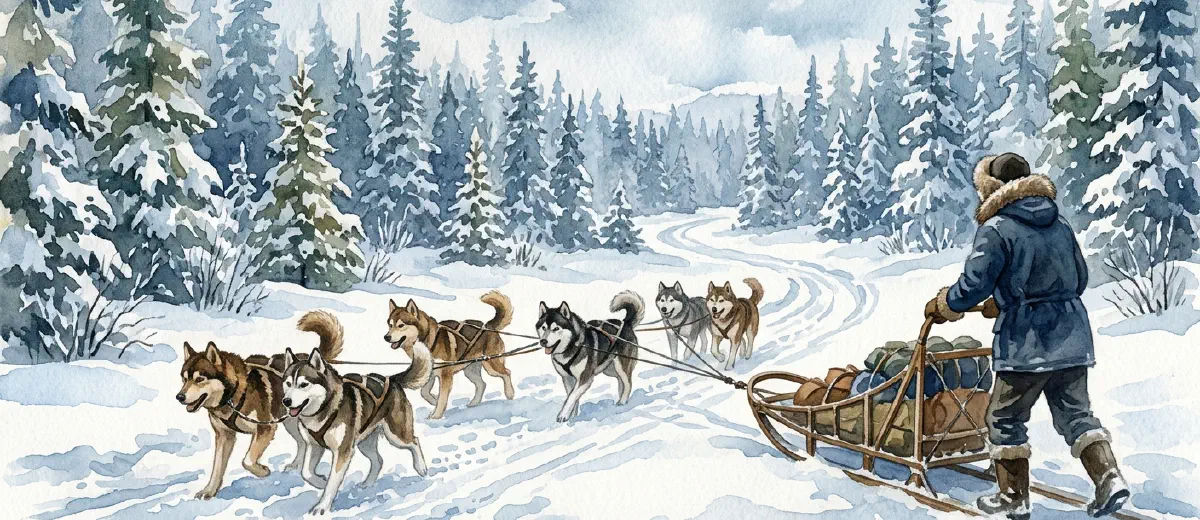
Dog sledding is visual in a way that most outdoor activities are not. A team of huskies pulling a sled through a snow-covered forest is the kind of image that stops a thumb mid-scroll. If you are not using real photos from your tours in your content, you are leaving the best marketing tool you have in your phone’s camera roll.
Every trip you run is a chance to capture content. A ten-second clip of the team leaving the trailhead. A photo of a guest grinning behind the sled. A wide shot of the trail with the mountains in the background. These do not need to be professional quality. They need to be real. Stock photos of generic snow scenes do nothing for you. A blurry but genuine photo of your actual dogs on your actual trail does.
Embed photos and short video clips in your blog posts and trip pages. Google increasingly favors pages with original visual content, and visitors stay on pages with images longer than they stay on walls of text. Your guests are already taking photos. Ask if you can use them. Most people are happy to share, especially if you tag them on social media.
Measure what is working and do more of it
Publishing content without checking whether it works is guessing. You don’t need complicated analytics. Google Search Console is free and tells you exactly which pages are getting impressions, which are getting clicks, and which queries are bringing people to your site.
Check it monthly. Look for which pages are climbing in rankings and which have stalled. If your “what to wear dog sledding” page is getting impressions but few clicks, the title or meta description probably needs work. If your trip page for your most popular tour isn’t showing up at all, the page might need more content, better keywords, or internal links pointing to it.
The pages that rank well and drive traffic deserve more investment. Write supporting content around them. Link to them from new posts. Update them with fresh details each season. The pages that go nowhere after six months might need a rewrite, or they might be targeting a query that’s too competitive. Either way, the data tells you where to spend your time.
Content strategy for a dog sledding business is not complicated. Write about what your customers search for, publish it early enough to rank before they search, and keep your site active year-round even when the trails are bare. The operators who do this end up with a steady stream of organic traffic that doesn’t dry up the moment they stop paying for ads. And when your season opens, you spend less time chasing bookings because the website already did that work over the summer.


