Content strategy for catamaran / sunset sail: what to write, when to publish, and what actually drives bookings
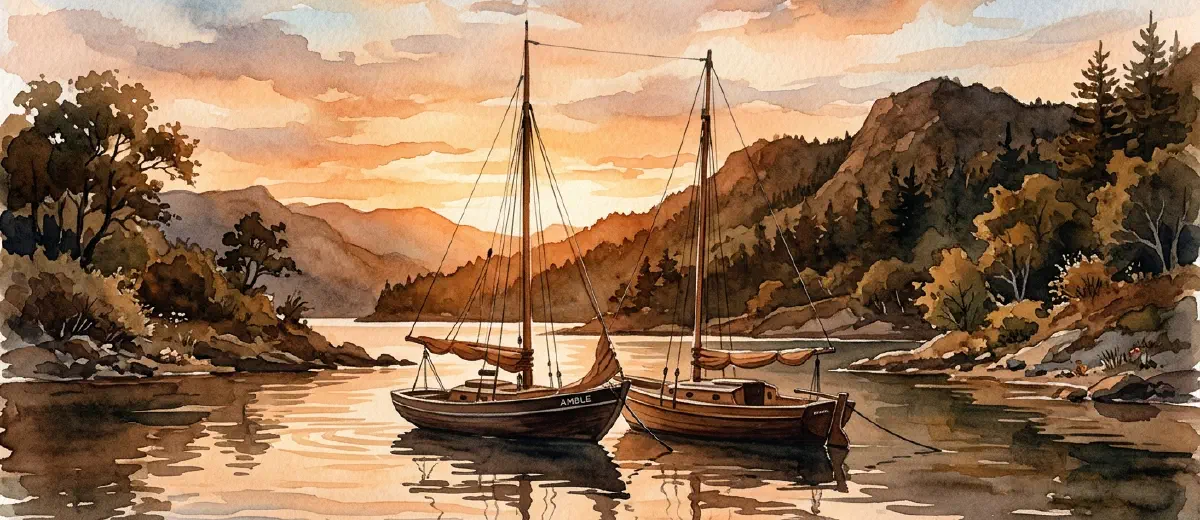
You run sunset sails. You know what the light looks like when it hits the water at 7:45 in July, which side of the boat gets the best view, and what to say when dolphins show up off the bow. None of that knowledge is on your website.
Most catamaran and sunset sail operators treat content like an afterthought. A photo dump on Instagram every few weeks. A Facebook post when the weather’s good. The website says “Book Now” and has three paragraphs that could describe any boat tour in any coastal town in America.
That’s a placeholder, not a content strategy. And it’s costing you bookings every week to competitors who figured out what to write and when to publish it.
What your customers are actually searching for
Before someone books a sunset sail, they search. The queries look like this: “sunset cruise [your city],” “catamaran tour [your area],” “things to do in [destination] at night,” “what to wear on a sunset cruise.” These searches happen weeks or months before the trip, and they happen in volume.
If your website has one page that says “Sunset Sail - 2 hours - $85/person - Book Now,” you’re invisible for dozens of queries that could bring you traffic every day.
You need pages that match those searches. Not one landing page. Multiple pages, each answering a different question at a different stage of the decision. Someone searching “best sunset cruise in Key West” is further along than someone searching “things to do in Key West this weekend.” Both could end up on your boat, but they need different content to get there.
If you’re not sure what your customers are Googling before they book, start there. Those answers shape everything else you write.
The content that actually drives bookings
Not all content is equal. Some pages attract browsers. Others attract bookers. The difference is intent, and your content strategy should lean hard toward pages that convert.
Your trip pages do the heaviest lifting. Each distinct experience you offer needs its own page. If you run a sunset sail and a snorkeling catamaran cruise, those are two separate pages. Private charter and a shared sail? Two more. Each one should describe what happens on that trip in enough detail that someone can picture themselves on the boat. Water temperature, the route you take, what gets served, how long the sunset portion lasts, whether kids can come.
These pages also need to answer the questions people ask before they commit. Will I get seasick on a catamaran? What should I wear? Can I bring my own drinks? Is there shade? Each of those questions is a paragraph on your trip page. Each paragraph is also a search query someone is typing into Google right now.
Then there’s the supporting content. Blog posts like “What a sunset sail off the coast of [your town] actually looks like” or “The best time of year to take a catamaran cruise in [your area].” These aren’t sales pages. They rank for broader queries, pull in traffic, and send people toward your trip pages where the booking happens.
You can turn a single trip into multiple pieces of content without starting from scratch each time. One good evening on the water gives you a blog post, social content, an email to past guests, and a reason to ask for a review.
When to publish and why timing matters
Google doesn’t index a page and rank it tomorrow. It takes weeks, sometimes months. The content you want ranking during peak season needs to go live well before peak season starts.
If your busiest months are June through September, your trip pages and seasonal blog posts should be published or updated by February or March. Content you publish in June for June searches is too late. Your competitors who published in January are already sitting in the spots you want.
Here’s a rough calendar for a catamaran or sunset sail operation with a summer peak:
- January through March: publish or refresh trip pages, write “best time to visit” and “what to expect” blog posts, update pricing and availability details, build out FAQ content
- April through May: shift to conversion-focused content like guest testimonials, specific trip recaps, and local area guides that keep visitors on your site
- June through August: capture social proof while you are busy running trips, shoot photos and short video clips, collect reviews, post trip recaps on social media
- September through November: publish content from the season you just ran, recap posts, video content, guest stories that will rank over the winter
- December: audit what ranked, what did not, plan next year’s content calendar
This timing works because search engines need lead time, and your customers start planning earlier than you’d expect. Someone booking a July catamaran trip in Destin was searching in March. The seasonal content calendar for outdoor businesses breaks this down further if you want a more detailed template.
Stop writing like a brochure
The biggest content mistake catamaran operators make is writing like a tourism board. “Experience the magic of a sunset sail on our luxury catamaran. Create memories that last a lifetime.” That copy says nothing. It matches no real search query and sounds like every other boat tour website on the Gulf Coast.
Write like you talk to guests at the dock. “We leave the marina at 6:30, motor past the jetties, and cut the engine once we hit open water. The sail goes up and it gets quiet. By 7:15 you’re two miles offshore watching the sun drop behind the skyline with a drink in your hand.” That paragraph answers the question they were really asking: what is this actually like?
Use real place names. Name the marina, the pass you sail through, the landmarks visible from the water. Specifics make your writing more interesting and they’re the exact phrases your local customers are searching. “Sunset sail from Bayfront Park Marina” beats “sunset sail experience” in both readability and search performance.
You have stories from every trip you’ve ever run. The pod of dolphins that followed the boat for twenty minutes. The proposal that happened right as the sun hit the water. The family reunion group that sang the entire way back to the dock. Write about those trips instead of writing another generic description nobody reads.
Photos and video are content too
A fifteen-second clip of your catamaran cutting through flat water at golden hour does more for you on social media than a thousand-word blog post. It costs you nothing but the ten seconds it takes to hit record on your phone.
Shoot short clips during every sail. The departure, the sails going up, guests at the rail watching the sky change, the return to the marina with the lights coming on. Vertical for Instagram and TikTok, horizontal for YouTube. These clips work as standalone social posts, and you can embed them on your trip pages to keep visitors on your site longer.
Photos matter just as much. Use your own, not stock images. A real photo of your actual boat with real guests on it does more for you than a polished stock shot of a generic catamaran. People scrolling your site can tell the difference. So can Google. Your trip pages, your Google Business Profile, and your social accounts should all feature real photos from your operation.
Ask guests if you can repost their photos too. Content from someone who just took the trip and has no reason to oversell it builds more trust than anything you could write yourself.
Measure what matters and skip what does not
You don’t need to track twenty metrics. For a catamaran or sunset sail business, three numbers tell you whether your content is working.
First, organic traffic to your trip pages. This connects directly to bookings. If your sunset sail page gets 500 visitors a month from Google and 3% of them book, that’s 15 bookings from a page you wrote once. Track this in Google Analytics or whatever your booking platform reports.
Second, search rankings for your target queries. Pick five to ten that matter, things like “sunset sail [your city]” and “catamaran cruise [your area],” and check where you rank monthly. Movement takes time but tells you whether your strategy is gaining ground.
Third, conversion rate on trip pages. If you’re getting traffic but not bookings, the problem is the page, not your search rankings. Test your booking flow and make sure getting from your trip page to a completed reservation doesn’t have unnecessary steps.
Follower counts, likes, impressions? Secondary. Those numbers feel good but they don’t pay for fuel.
Keep going even when it feels like nothing is happening
Content strategy isn’t a campaign with a start and end date. It’s closer to boat maintenance. You do a little bit on a regular schedule, and the boat stays in the water. You ignore it, and problems pile up.
A sunset sail operator who publishes one solid blog post per month and keeps trip pages current will, after a year, have a dozen pages working around the clock. Those pages pull in organic traffic while you’re out on the water running trips, while you’re asleep, while your competitors are still wondering what to post on Facebook.
The operators who win on search aren’t the ones spending the most on marketing. They’re the ones who started writing and kept at it.