How campgrounds can stay visible year-round
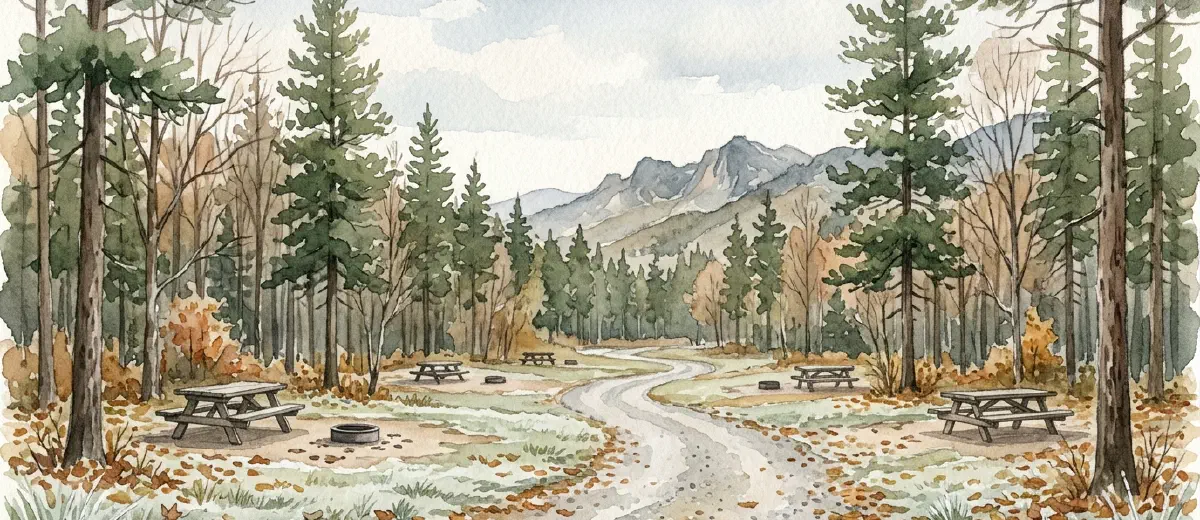
Every October, thousands of campgrounds flip the same switch. Gates close, staff goes home, and the website sits untouched until April. Six months of digital silence.
The problem isn’t that campground operators don’t care about off-season marketing. It’s that when you’re winterizing water lines and storing golf carts, updating your blog feels absurd. But Google doesn’t close for the season. The families planning next summer’s camping trip are already searching.
Your site doesn’t get to hibernate
Campgrounds have a visibility problem that outfitters and guides don’t. A rafting company can at least point to year-round trip planning content. A campground that closes November through March often has nothing new to say. Or thinks it doesn’t.
But “campground near [your town]” gets searched twelve months a year. People plan camping trips in January. Snowbirds start researching RV parks in September for the following winter. Families with school-age kids lock in summer reservations during February and March, while they’re still comparing options.
If your site hasn’t been updated since last August, you’re not in that conversation. Someone else’s campground is.
The SEO math makes this worse. Content you publish today takes three to six months to rank. A blog post you write in November starts showing up in search results by April. One you write in April? That’s ranking in September, after your peak season is already winding down. We covered this timing gap in detail in our piece on why the off-season is your most important marketing season.
Content that works when the campground is closed
You don’t need to pretend you’re open year-round. You need to publish content that answers the questions people are asking right now about trips they’re planning for later.
Start with seasonal planning guides. “Best time to camp in the Ozarks” or “Spring camping at [your campground]: what to expect in April.” These pages target high-volume queries and give Google a reason to surface your site months before opening day.
Campers agonize over site selection more than most operators realize. Site and amenity comparisons pull real traffic. “Full hookup vs. partial hookup: what do you actually need?” or “Best sites for big rigs at [campground name]” are the kinds of pages that rank well and convert. KOA franchises do this with detailed site descriptions and filtering tools. Independent campgrounds can compete with good written content.
Area guides are another strong play. What’s within an hour of your campground? Hiking trails, fishing spots, small towns worth visiting, restaurants that don’t require a reservation. A page like “Things to do near [campground] besides camping” captures searches you’d never rank for with just your homepage.
Trip prep content rounds it out. First-time campers search for basics all year long: what to pack, how to back in a travel trailer, whether campground showers are actually usable. These evergreen posts build traffic steadily and introduce people to your campground who weren’t specifically searching for it.
Your Google Business Profile works year-round too
For campgrounds, Google Business Profile might be the highest-leverage off-season task. When someone searches “campgrounds near [destination],” the map pack results often get more clicks than the organic listings below.
During the off-season, update your profile with current photos from last season, respond to every review (even the two-star ones), and post seasonal updates. “We’re closed for the winter but reservations for 2027 are open” is a perfectly good Google Business post. It tells both Google and potential guests that you’re active.
Most campgrounds let their profiles go stale. The hours are wrong, the photos are from 2019, and nobody’s responded to reviews in months. Fixing that takes an afternoon and puts you ahead of half the campgrounds in your area.
Build a simple off-season publishing rhythm
You don’t need a content department. A campground owner or manager publishing one or two posts a month through the off-season will outperform competitors who publish nothing. That’s a low bar. Most campgrounds clear it easily once they have a plan.
A workable rhythm for October through March:
One blog post per month targeting a keyword people search during the planning phase. “Best campgrounds for families in [state],” “RV camping near [national park],” “pet-friendly campgrounds in [region].” Pick topics by asking what your guests Googled before they found you.
One update per month to an existing page. Refresh your rates page with next year’s pricing. Add new photos to your site map page. Update your amenities list if you added a dog park or upgraded the WiFi.
One Google Business Profile task per month. Respond to recent reviews, post a seasonal update, upload a batch of photos.
That’s 36 small tasks across six months. Spread across the winter, it’s about two hours of work a week. Our seasonal content calendar for outdoor businesses breaks this down quarter by quarter if you want more structure.
The campgrounds that stay visible are the ones that get booked
RV park occupancy in the U.S. averages around 68% for full-hookup sites. Roughly a third of sites sit empty in a typical year. Some of that is unavoidable (weather, location, season length). But some of it is a visibility problem. Campgrounds that rank on page one for their target searches fill up faster and earlier than campgrounds buried on page three.
The ones on page one didn’t get there by accident. They published content when it felt like nobody was paying attention. They updated their sites when the gates were closed. They treated the off-season like it was part of the business, because it is.
Your campground doesn’t need to be open to be visible. It just needs to show up where people are looking.