"Best time to visit [your area]" — why every outfitter needs this page
“Best time to visit Moab.” “Best time to visit the Outer Banks.” “Best time to visit Jackson Hole.” These queries get thousands of searches every month, and the people typing them are exactly who you want on your website. They’re planning a trip. They haven’t booked yet. And the SEO opportunity here is wide open for local outdoor businesses willing to write a useful page.
Right now, most of those search results are dominated by TripAdvisor, U.S. News Travel, and big travel blogs. Their pages are fine. They cover weather averages and crowd levels and maybe mention a festival or two. But they don’t know your area the way you do. They’ve never run trips there. They can’t tell someone the second week of June is when the water is perfect for a half-day float but by July it’s too low, or that the hiking in October beats the hiking in May because the canyon gets brutal afternoon shade in spring.
That’s your opening.
The search volume is real
“Best time to visit Yellowstone” pulls 30,000 to 50,000 searches a month during peak planning season. That’s a huge destination, and you’re not going to outrank Lonely Planet for it. But scale it down to your area.
“Best time to visit Moab” gets 5,000 to 10,000 monthly searches. “Best time to visit the Deschutes River” or “best time to visit New River Gorge” are in the 500 to 3,000 range. Those are real numbers, and the competition thins out fast once you move past the big-name destinations.
Go even more specific and the field is yours. “Best time to raft the Arkansas River.” “Best time to fly fish in Montana.” “Best time to visit Smith Rock.” For queries like these, a well-written page from a local operator can realistically land on page one. The big publishers haven’t bothered to write dedicated pages for these terms, and Google increasingly favors content from people with actual first-hand experience.
Why outfitters have an unfair advantage here
Google’s ranking criteria puts real weight on E-E-A-T: experience, expertise, authoritativeness, and trustworthiness. For a “best time to visit” query, who has more experience than the guide who’s been running trips in that area for fifteen years?
You know things the travel bloggers don’t. You know which month the mosquitoes get bad. You know that the “shoulder season” everyone recommends is actually hit-or-miss because the access road doesn’t open reliably until the third week of May. You know that September is secretly the best month because the crowds are gone but the weather holds.
That kind of detail is exactly what makes a page rank and what makes a visitor trust you enough to book.
What to put on the page
The pages that rank best for “best time to visit” queries share a few structural elements. Your page should cover:
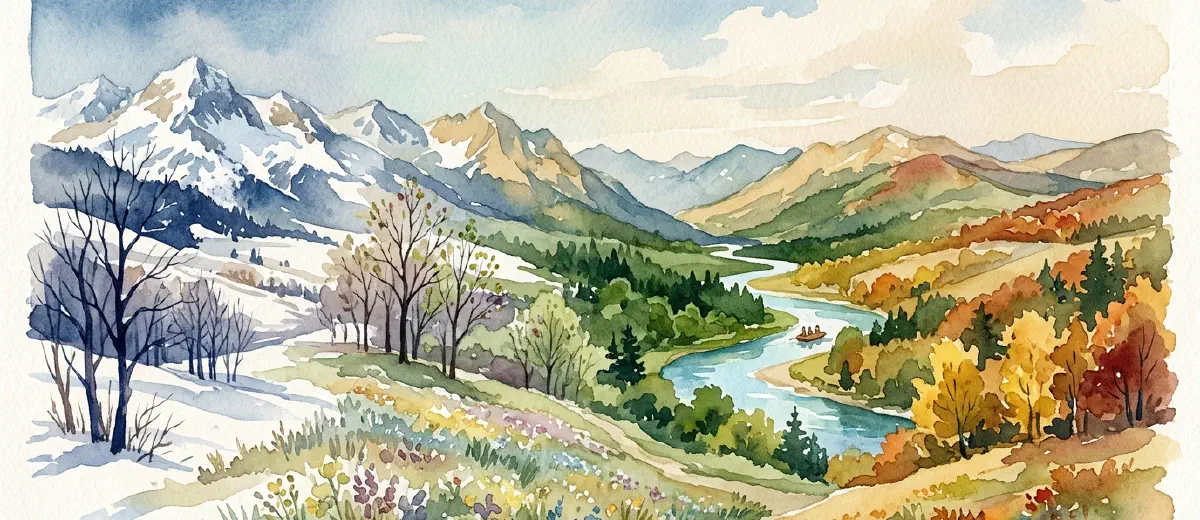
A month-by-month or season-by-season breakdown. Not just “summer is hot and winter is cold.” Specific conditions that affect what visitors can actually do. Water levels, trail conditions, snow coverage, wind patterns. The stuff you’d tell a friend who called and asked when to come.
Weather data that’s actually useful. Average highs and lows are fine, but go further. What does 85 degrees feel like on the river versus on a hiking trail? When does the afternoon thunderstorm pattern start? People want to pack right and plan their days.
Crowd and pricing context. When are campsites full? When do lodging prices drop? When can you get a permit without planning six months ahead? Practical information that helps people choose a timeframe.
A clear recommendation. Don’t hedge. Have an opinion. “If you can only come once, come in September” is more useful and more rankable than “every season has something to offer.” Google’s featured snippets love a direct answer, and so do readers.
Links to your trips and services, placed naturally. If you’re writing about how June is the best month for whitewater, link to your June rafting trips. The page should be informational first, but it should also make it easy for someone who’s convinced to take the next step.
How to make it rank
Target a specific long-tail query as your primary keyword. “Best time to visit [your specific area]” or “best time to [your activity] in [your location].” Put it in your title tag, your H1, and your first paragraph.
Write at least 1,200 words. The pages currently ranking for these queries average 1,500 to 2,500 words. You don’t need to pad it, but you need enough depth to actually answer the question across all seasons.
Build internal links to the page from your other content. Your trip guides, your seasonal content, your area-specific blog posts should all point to your “best time to visit” page when relevant. This tells Google the page is important on your site.
Publish it well before your peak search season. These queries spike two to four months before peak travel. If summer is your season, the page needs to be live and indexed by late winter at the latest.
One page, years of traffic
A good “best time to visit” page is the kind of content that keeps working for years. The core information doesn’t change much season to season. You update the weather averages, tweak the event mentions, maybe add a paragraph about a new trail that opened. Ten minutes of maintenance a year.
Meanwhile, it’s pulling in hundreds or thousands of visitors every planning season. Visitors who are actively deciding when and where to go. Some of them will look at your trips page. Some of those will book. And it compounds.
If you don’t have this page on your site yet, it should be near the top of your content list.