How to add guided experiences to an existing retail or rental business
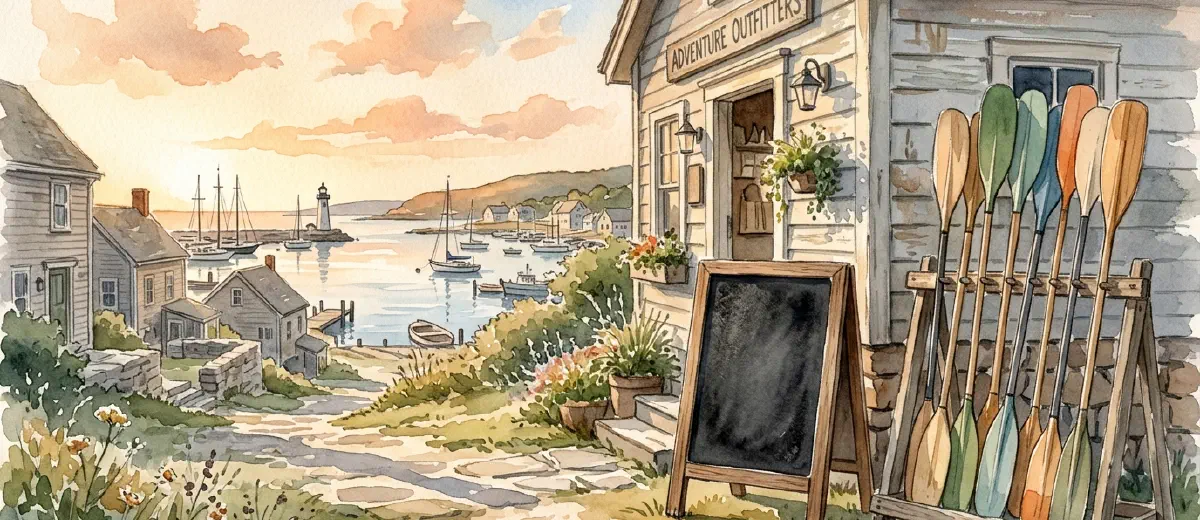
You already own the gear. You already have the location, the foot traffic, and the local knowledge that took years to build. The piece most retail and rental businesses are missing is the guided experience - and it’s the piece that turns a $35 kayak rental into an $85-per-person eco-tour.
The outdoor recreation economy hit $696.7 billion in 2024, and guided activities are growing faster than gear sales. Gateway activities like hiking, camping, and fishing each added over two million new participants last year alone. Many of those newcomers don’t want to figure things out on their own. They want someone to show them where to go, what to look for, and how to stay safe. That someone could be you.
This is a practical walkthrough for adding guided experiences to a business that already rents or sells outdoor gear - without gutting your current operation.
Why guided experiences print more revenue per hour
A half-day kayak rental in most markets runs $40–$60. A guided kayak eco-tour covering the same water, using the same boats, brings in $65–$85 per person for a group of six to eight. You’re looking at $520–$680 per trip versus $40–$60 from a single rental. The math is not subtle.
Bike and Kayak Tours in La Jolla, California started as a rental shop. They added guided sea-cave kayak tours and coastal bike tours, and now they carry 1,576 Yelp reviews and list on GetYourGuide. The rentals still run, but the guided trips are the engine.
Guided experiences also smooth out the revenue curve. Rentals spike on sunny weekends and crater midweek. A scheduled guided tour at 9 a.m. on a Tuesday fills seats that bare rentals never would, because the value proposition shifts from “here’s a boat” to “here’s an experience you can’t replicate alone.”
Pick one experience and prove it works first
The biggest mistake is launching five guided options at once. Start with one trip that uses gear you already own, covers terrain you already know, and runs in a time slot that doesn’t conflict with peak rental hours.
If you run a kayak or SUP rental, a sunset paddle or wildlife-viewing tour is the obvious first move. Bike shops do well with scenic loop rides or brewery-to-brewery tours. Fly shops already have the guides on speed dial - a half-day wade trip for beginners fills a gap most shops ignore.
Acadia Bike & Coastal Kayaking Tours in Bar Harbor, Maine has run both rentals and guided trips since 1982. They didn’t start with twenty options. They started with what they knew and expanded as demand proved itself.
Run your pilot trip 8–12 times before making any structural changes. Track per-trip revenue, rebooking rate, and whether rental revenue drops during guided trip hours (it almost never does).
The insurance and liability layer you can’t skip
Adding guided services changes your risk profile. A rental operation needs general liability. A guided operation needs general liability plus professional liability, and most insurers will want to see guide certifications.
K&K Insurance and Outdoor Insurance Group are the two names that come up most for small outfitter operations. Expect to pay $1,500–$5,000 per year for a guided-tour liability policy, depending on activity type and group sizes.
Your guides need current certifications. For water-based activities, that usually means a Wilderness First Responder (WFR) or at minimum Wilderness First Aid (WFA), plus any state-required boating safety credentials. Get your liability waiver drafted by an attorney who knows your state’s recreation liability statutes - a template off the internet won’t cut it.
Budget the insurance cost into your per-trip pricing from day one. At $3,000 per year and 150 guided trips, that’s $20 per trip. Bake it in.
Hire guides or train your existing team
You have two paths: hire experienced guides part-time, or train your current rental staff to lead trips.
Hiring experienced guides gets you running faster. Many certified guides freelance during shoulder seasons or pick up work between outfitter contracts. Post on local guiding Facebook groups, check with your state’s outfitter association, and ask at guide certification courses. Pay ranges from $150–$300 per trip depending on duration and location.
Training existing staff takes longer but builds deeper loyalty and institutional knowledge. Your rental employee who already knows every put-in, every eddy, every shortcut is halfway to being a guide. Invest in their WFA or WFR certification (roughly $200–$700 depending on the course), and pair them with an experienced guide for their first 5–10 trips.
Adventures by the Sea in Monterey runs multiple locations with staff who rotate between rental counters and guided tours. It keeps labor costs flexible and gives employees variety that reduces turnover.
Price the experience, not the equipment
This is where most rental businesses underprice themselves. You’re not renting a kayak for two hours with a person attached. You’re selling local knowledge, safety, storytelling, and access to spots the customer would never find alone.
Price your guided experience at 2–3x your hourly rental rate per person, minimum. If your two-hour SUP rental is $40, your two-hour guided SUP tour should be $75–$95 per person. The gear cost is identical. The margin difference is almost entirely profit after guide pay.
Build at least two pricing tiers from the start. A standard group tour (6–8 people) and a private or small-group option (2–4 people) at a premium. Private tours in most markets command $150–$250 per person, and they book more consistently than you’d expect - especially for couples and small family groups.
Don’t discount. Your pricing page should communicate what’s included: guide expertise, safety equipment, local knowledge, photos from the trip. That justifies the rate better than any sale ever could.
Set up booking before you launch
Guided experiences need a real booking system. The notebook-behind-the-counter approach that works for walk-in rentals falls apart when customers want to reserve a guided trip two weeks out, pay online, and get a confirmation email.
FareHarbor, Peek Pro, and Rezgo all handle the rental-plus-guided model well. The key requirement: your booking page needs to be crawlable by Google so your guided trips show up in search results. A booking widget buried in JavaScript won’t get indexed.
Set up automated pre-trip emails with what to bring, where to meet, and cancellation policy. This cuts no-shows dramatically. We’ve seen operators reduce no-shows by 30–40% just by sending a “what to expect” email 48 hours before the trip.
Market to the customers you already have
Your existing rental customers are the warmest possible leads for guided experiences. They already trust you, they already know your location, and they’ve already shown willingness to spend money on outdoor recreation in your area.
The simplest upsell: when someone books or walks in for a rental, mention the guided option. “We also run a guided sunset paddle Tuesday and Thursday evenings - same boats, but we take you to spots you’d never find on your own.” That conversation converts at a surprisingly high rate.
Build an email list from your rental customers (with permission) and send a single announcement when you launch guided trips. Past rental customers who had a good experience are your first wave of guided-trip bookings.
On your website, create a dedicated trip page for each guided experience. Don’t bury it under your rental page. Give it its own URL, its own photos, its own description. Search engines treat these as distinct offerings, and so do customers.
Use the off-season to build the guided side
Here’s what most people miss: guided experiences give you an off-season product that bare rentals don’t.
A bike rental shop in a ski town sits empty from November through April. A guided fat-tire snow bike tour runs all winter. A kayak rental on a lake goes dormant in October. A guided fall foliage paddle sells itself through mid-November.
The off-season is also when you build. Develop your guided trip routes, write your trip descriptions, get your guides certified, and plan your content calendar so you’re ranking for “guided kayak tour [your town]” before the season starts.
The businesses that treat guided experiences as an afterthought bolt them on in June and wonder why bookings are thin. The ones that succeed build the infrastructure in winter and open bookings in early spring, capturing the planners who book months ahead.
The first 90 days, step by step
Week 1–2: Pick your one guided experience. Define the route, duration, group size, and price. Talk to your insurance broker.
Week 3–4: Secure insurance. Draft your liability waiver with an attorney. Order any additional safety gear you need (first aid kits, communication devices, extra PFDs for guided groups).
Week 5–6: Hire or designate your first guide. If training internally, start the certification process now - WFA courses typically run two days.
Week 7–8: Set up your booking platform. Build your trip page on your website. Write your pre-trip email sequence.
Week 9–10: Run 3–4 beta trips with friends, family, or loyal rental customers at a reduced rate. Collect feedback. Refine the route and timing.
Week 11–12: Launch publicly. Announce to your email list, update your Google Business Profile with the new service, and post your first trip on your social channels.
Ninety days from bare rental shop to a business with a guided experience running and generating bookings. The gear is already in your shed. The local knowledge is already in your head. The only thing left is the decision to start.